
Review · MEXICO CITY
Mexico City origins and architecture: Art Nouveau, Deco,Eclectic
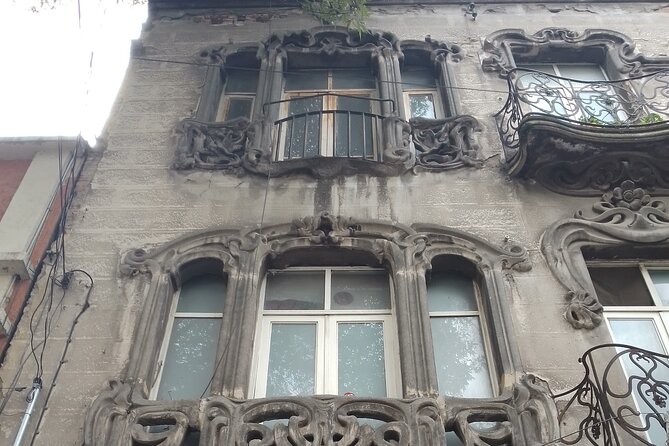
Mexico City’s story comes in layers here: Aztec ruins beneath the modern capital, Diego Rivera murals inside a government palace, and Roma streets lined with Art Nouveau, Art Deco, and Eclectic buildings. The final three-hour walk gives the day its sharpest focus, asking you to notice how ornament, politics, and city dreams shaped the neighborhood.
I like the private format and the broad sweep from Templo Mayor to Chapultepec and Roma. I also like the unusually specific architectural theme, plus the chance to discuss figures such as Leonora Carrington, Alfaro Siqueiros, Antonio Caso, and Clement Jaques rather than simply ticking off monuments.
The main consideration is cost planning. The $98.33 price covers the group of up to 10 and private transportation, but museum admission, lunch, and parking are extra. Also, one booking ended in a cancellation after a WhatsApp exchange, so confirm your pickup and timing clearly with Daniel Mendívil Olvera before the day.
Key points to know before booking
- Aztec Mexico comes first: Templo Mayor and the Anthropology Museum frame the city through archaeology, while Palacio Nacional adds Rivera’s political murals.
- The Roma walk is the specialist portion: Three hours are devoted to architectural details, public squares, churches, and the neighborhood’s changing identity.
- Private transport keeps the day flexible: Your group alone participates, with pickup available from Mexico City International Airport.
- The schedule is full but workable: The planned stops add up to about seven hours and fifteen minutes, within the advertised six to eight hours.
- Budget for separate site fees: Admission to the three museums or sites is not included, and lunch is also on your own.
- The guide can shape the experience: Daniel Mendívil Olvera is the named provider, and clear communication before pickup matters.
A full day from Tenochtitlan to modern Roma
This is not a narrow architecture outing. It is a long look at how Mexico City has been built, rebuilt, decorated, and argued over.
The first half centers on ancient Mexico and national identity. You begin at Museo del Templo Mayor, then move to Palacio Nacional and Museo Nacional de Antropología. Paseo de la Reforma connects those cultural stops to the city’s grand civic center and Chapultepec area.
The final portion changes pace. At Casa Lamm Centro de Cultura, you begin a three-hour walk through Roma, studying buildings rather than simply photographing them. That shift is useful. The museums give you objects and major narratives; Roma asks you to read facades, cornices, windows, churches, squares, and later alterations.
Because the tour is private, you can ask questions throughout instead of trying to keep up with a large group. The tradeoff is that the quality of the day depends heavily on communication and guiding. One published rating is very positive, describing a friendly guide who answered questions and explained the city well. Another account records a last-minute cancellation after a change in meeting time and a missed WhatsApp response. I would confirm every detail in writing, even after speaking by phone.
More Art Nouveau Tours around the world:
- Barcelona: Art Nouveau & Gaudí Tour
★ 5.0 · 39 reviews - Walking Tour of Riga’s Beautiful Art Nouveau Architecture
★ 4.8 · 20 reviews - Private Art Nouveau and Art Deco tour near Opera
★ 5.0 · 15 reviews
Templo Mayor: Mexico City under the pavement
The opening stop, Museo del Templo Mayor, focuses on the ruins of the main Aztec city, Mexico Tenochtitlan. You have about one hour here, with admission charged separately.
This is an important beginning because it gives the rest of the day a foundation. Mexico City is not only a colonial and modern capital. It also occupies the site of a major Aztec city, and the surviving ruins reveal that older layer in the middle of today’s urban center.
With only an hour, you should expect an introduction rather than a complete museum visit. If archaeology is your main interest, you may want to ask how the time will be divided between the ruins and museum displays. The experience is strongest when you pay attention to how the ancient site relates to the city around it, rather than treating it as an isolated archaeological stop.
Admission is not included, so include that extra cost in your budget. The tour provides private transportation, but the supplied information does not state whether parking fees are covered. They are listed among the exclusions, so be prepared for a possible additional charge.
Palacio Nacional and Diego Rivera’s walls
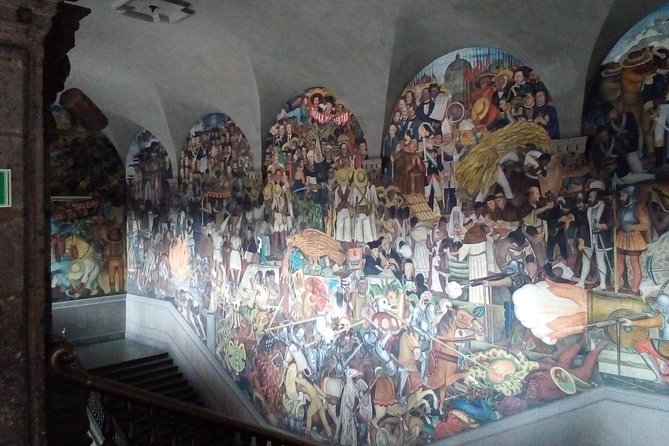
The next stop lasts about 45 minutes at Palacio Nacional de Mexico. The main feature is Diego Rivera’s mural cycle, which ornaments practically all the walls on the building’s second story.
This is a short visit, but the visual impact can be considerable. Rivera’s murals are not small, isolated paintings. They form a broad historical and political account across the walls, so your guide’s explanation can help you follow the figures and events instead of seeing the room as one giant burst of color.
I would treat this stop as a focused introduction. Forty-five minutes is enough to see the main mural spaces and ask questions, but not enough for an unhurried examination of every painted section. If Rivera is the reason you are booking, tell the guide early so the timing can reflect your priorities.
Admission is not included. The tour description does not promise a private entry arrangement or reserved access, so you should not assume that the visit will bypass any entrance procedures. The private format helps with discussion, but it does not change the separate admission requirement.
Two hours with Mexico’s archaeological collections
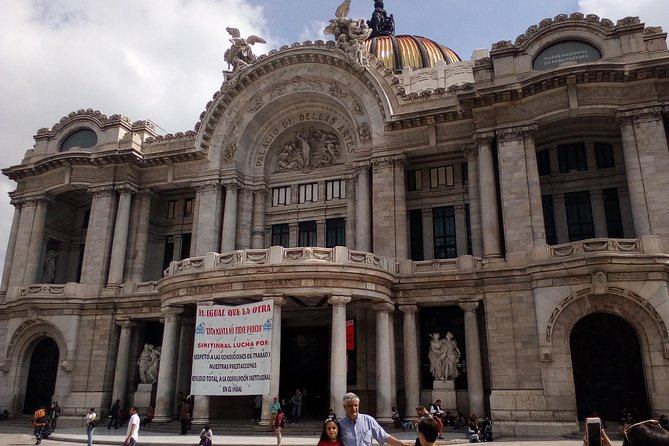
Museo Nacional de Antropología receives the longest museum visit, about two hours. The focus is on archaeological pieces found during years of excavation in Mexico City’s center.
That makes this stop a useful companion to Templo Mayor. At the ruins, you see the remains in their urban setting. At the Anthropology Museum, you can examine objects and archaeological material gathered through excavation. Together, the two visits help connect physical remains with the wider story of Mexico’s ancient cultures.
Two hours is a sensible amount of time for a guided introduction, though this is a large museum and the description does not identify particular galleries. You will need to rely on the guide to choose a route or explain which collections receive attention. Ask directly if you have a preference for specific archaeological periods or objects.
As with the other museums, admission is not included. That can make the advertised group price look lower than the actual day’s cost, especially for a full group of 10. On the other hand, if your group is large, the base price works out to less than $10 per person before admissions and other expenses, which is strong value for private transport and a full day of guiding. For one or two people, the per-person cost is much higher.
More Art Deco Tours in the world:
- The Official Art Deco Walking Tour by The Miami Design Preservation League
★ 5.0 · 1,580 reviews - Miami South Beach Art Deco Walking Tour
★ 5.0 · 1,039 reviews - Miami Beach Food and Art Deco Walking Tour
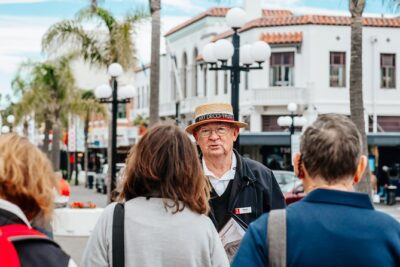
★ 4.5 · 245 reviews - Guided 10am Morning Art Deco Walk From Napier Art Deco Trust
★ 4.5 · 167 reviews
Paseo de la Reforma connects monuments and power
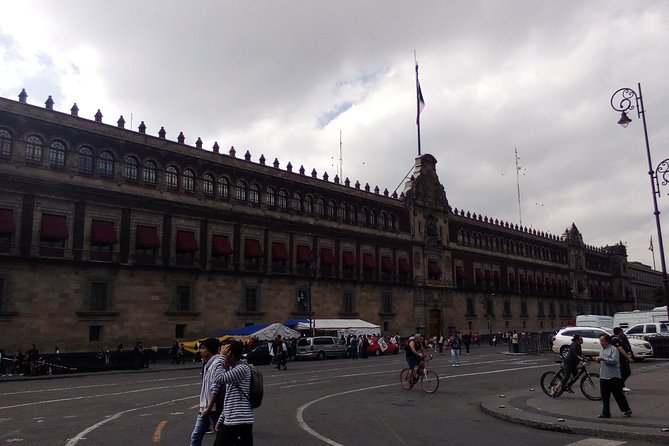
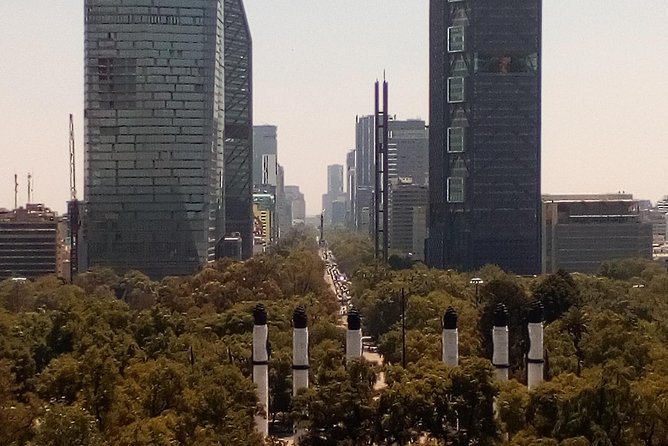
The 30-minute stop at Paseo de la Reforma is free. You will see the Independence Column, government buildings, Chapultepec Park, and other monuments.
This is a short exterior stop, so think of it as a moving overview rather than a long walk. It gives the day a civic dimension after the archaeological museums. Here, the city is presented through avenues, monuments, public buildings, and open space.
The stop may be especially useful if you want to understand how Mexico City presents its national story in public. The Independence Column is the named highlight, while the surrounding government buildings and monuments add context. Since no admission fee applies, this is one of the simplest parts of the day.
The description does not specify how much walking occurs at Reforma or exactly where the vehicle stops. If mobility, shade, or photography time matters to you, ask about the stopping point before departure. The tour is described as suitable for most people, but no detailed accessibility information is provided.
Roma’s three-hour lesson in architectural styles
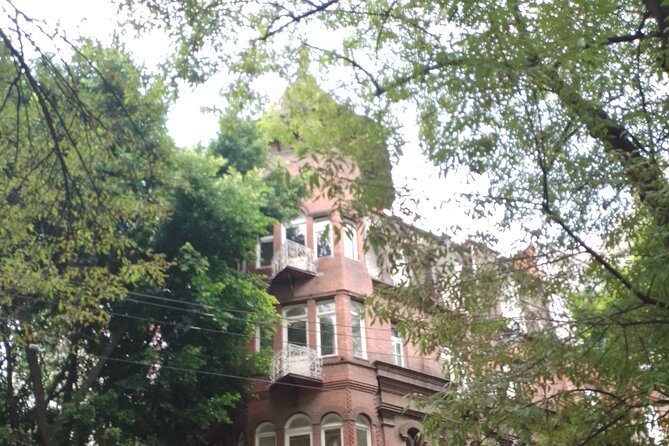
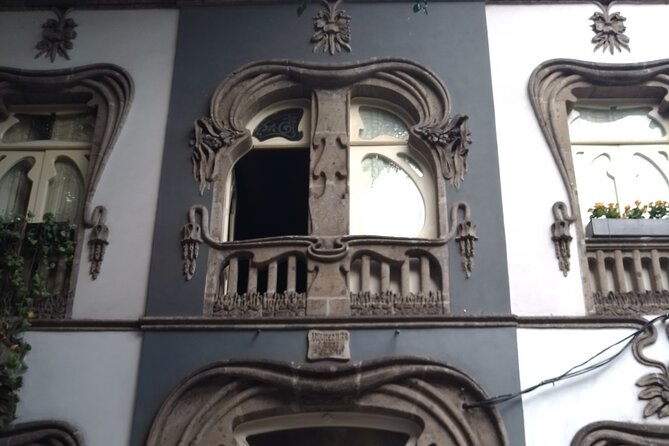
The most distinctive section begins at Casa Lamm Centro de Cultura and lasts about three hours. This is not just a drive through Roma. It is a walking tour built around the differences between Art Nouveau, Art Deco, and Eclectic architecture.
You begin with the church in Romita Town, then circle through the neighborhood. The route includes original and modern design, with attention to contrasting architectural and ornamental features. That emphasis matters because the styles can blur together when you only look at the overall shape of a building.
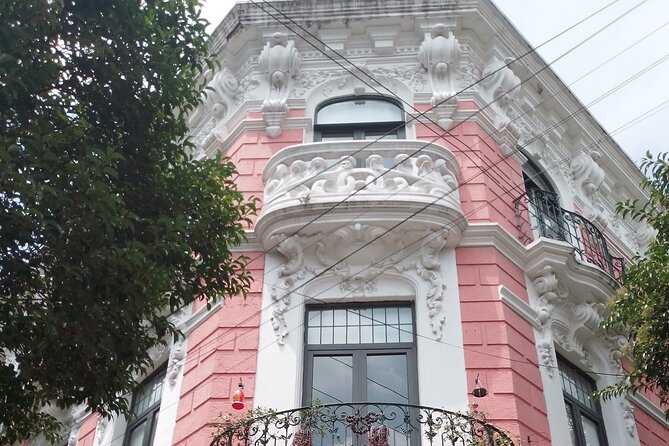
Art Nouveau is generally associated with flowing lines and decorative natural forms, while Art Deco tends toward geometry and controlled ornament. Eclectic buildings borrow from several traditions. The supplied tour description promises discussion of each style’s specific features, so you should expect to look closely at details rather than simply hear a list of building names.
The walk includes Ajusco, Roma, and Cibeles squares. These public spaces give the route breathing room and help connect individual buildings to the neighborhood’s social structure. The route also covers legendary residents and local figures, including Clement Jaques, AldonConti, Antonio Caso, high-ranking politicians, Leonora Carrington, and Alfaro Siqueiros.
That mixture of architecture and biography is one of the strongest ideas in the experience. A facade tells you how a city wanted to look. The people associated with the area show how that city was lived in, debated, and reshaped.
Sagrada Familia and the politics behind the buildings
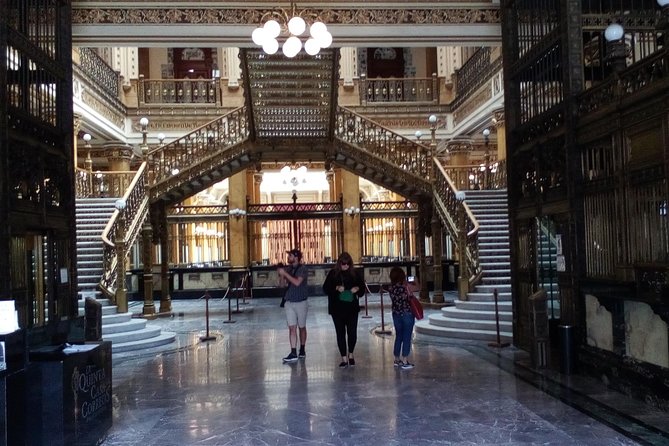
The Roma walk also discusses the religious and political conflict between the state and the church at the Sagrada Familia Neo Romanic Cathedral.
This adds needed context to the architecture. A church is not only a style exercise. Its presence can point to struggles over public life, authority, and national identity. The tour promises a short trip through that conflict, giving you a reason to consider why certain buildings were built and what they represented.
The route then moves toward the idea of a city trying to make an ever-unreachable dream of progress real. That theme fits the architectural focus. Art Nouveau, Eclectic design, and Art Deco can each be read as signs of aspiration, fashion, wealth, civic pride, or changing ideas about the future.
Do not expect the Roma section to feel like a quick photo stop. Three hours is a serious walking commitment. Wear comfortable shoes and keep your schedule open. The exact walking distance, restroom arrangements, and pace are not specified, so ask before setting out if those details affect your plans.
How the timing and private format affect value
The advertised duration is six to eight hours, while the listed stops total roughly seven hours and fifteen minutes. That is a full day, but the timing is internally sensible: one hour at Templo Mayor, 45 minutes at Palacio Nacional, two hours at the Anthropology Museum, 30 minutes at Reforma, and three hours in Roma.
Travel time between stops is not separately listed. Mexico City traffic can affect the rhythm of any day that crosses several districts, so you should view the schedule as an approximate framework rather than a guarantee of exact departure times.
Private transportation is included, and only your group participates. That is valuable for a family or group of friends that wants to ask questions, adjust attention between art and archaeology, or avoid coordinating with strangers. Pickup from Mexico City International Airport is available, which may help if you are arranging a first-day introduction to the city.
The $98.33 price is per group of up to 10, not per person. For a full group, it is an attractive starting price. For a small group, the value depends on how much you care about private transport and a guide focused on your interests. Since admissions, lunch, and parking are excluded, calculate the total before booking.
What to clarify before your pickup
The activity is offered in English, and confirmation is provided at booking. Most people can participate, but detailed accessibility information is not supplied.
I would confirm four points directly with Daniel Mendívil Olvera:
- The exact pickup time and location
- Whether airport pickup is part of your requested arrangement
- Which admission fees and parking charges you should expect
- How the guide plans to divide time inside the museums and during the Roma walk
The communication point deserves attention. One booking was canceled the night before after the customer did not reply to a WhatsApp message within the requested period, following a phone discussion about moving the start one hour earlier. You can avoid confusion by replying promptly and keeping the agreed time in one written message.
You can cancel up to 24 hours before the experience for a full refund. That gives you a reasonable cushion if your plans change, but it does not remove the need to confirm the appointment before the day itself.
Should you book this Mexico City day?
Book it if you want a private, English-language introduction that combines archaeology, mural art, civic monuments, and close study of Roma architecture. The three-hour neighborhood walk gives this experience a clear identity, especially if you like buildings, decorative details, and the link between design and politics.
It is a good fit for a group of friends or family members who can share the $98.33 fee and want private transportation. It is also useful for a first visit when you want several major themes covered in one day.
I would hesitate if you want slow museum visits, a low all-in price, or a tightly fixed schedule. The museums require separate admission, lunch is not covered, parking may cost extra, and traffic can compress the day. Confirm communication with Daniel Mendívil Olvera before booking, then bring comfortable shoes and enough time for Roma’s long architectural walk.
FAQ
How long does the experience last?
The tour lasts approximately six to eight hours. The scheduled stops total about seven hours and fifteen minutes, not including travel time between locations.
What places are visited?
The stops include Museo del Templo Mayor, Palacio Nacional de Mexico, Museo Nacional de Antropología, Paseo de la Reforma, and Casa Lamm Centro de Cultura with a walking route through Roma.
Is transportation included?
Yes. Private transportation is included, and pickup from Mexico City International Airport is available.
Are museum admission fees included?
No. Admission to the museums or sites is not included in the price.
Is lunch included?
No. Lunch is not included.
How many people can join the private tour?
The price covers one private group of up to 10 people. Only your group participates.
Is the tour offered in English?
Yes. The experience is offered in English.
New to the itinerary around the world
- Washington, DC: Georgetown Architecture Walking Tour★ 5.0 · 8 reviews
- Wilmington History and Architecture Tour★ 4.8 · 18 reviews
- Walk & Discover KL’s Architectural and Heritage Gems★ 5.0 · 7 reviews
- Washington DC: Dupont Circle & Embassy Row Architecture Tour★ 5.0 · 6 reviews
- New Orleans : Garden District Architecture Walking tour★ 4.8 · 5 reviews
- Unveiling Brno: History, Culture & Architectural Delights★ 5.0 · 2 reviews
- Vicenza: Palladian Architecture Private Walking Tour★ 3.3 · 3 reviews
- Private Colonial Williamsburg Architectural Tour★ 5.0 · 5 reviews
Art Deco Tours, compared.

The Official Art Deco Walking Tour by The Miami Design Preservation League
Read our review →
Guided 10am Morning Art Deco Walk From Napier Art Deco Trust
Read our review →
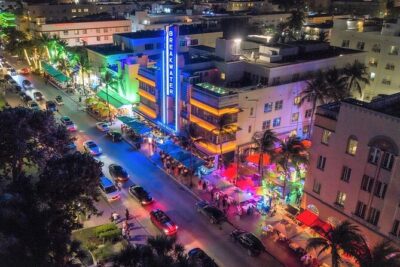
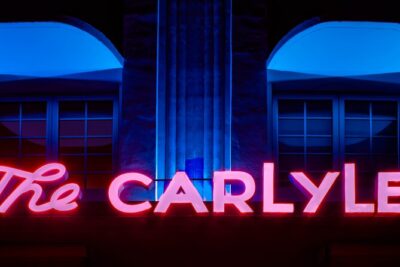
Award-winning Art Deco & Neon Lights Walking Tour in Miami Beach
Read our review →

Art Deco and Architecture Midtown Landmarks Tour
Read our review →Other lists with this tour