Review · AUSTRALIA
Architecture Tour of Melbourne
Melbourne’s architectural story unfolds block by block on this two-hour walking tour, from the grand forms of Flinders Street Station to the modern angles of Federation Square. The best part is the close look at buildings you might otherwise pass without noticing, including details tucked away from the main street.
I like the small maximum of 10 people, which gives you room to ask questions. I also like that the guide can shape the discussion around your interests, rather than delivering a fixed speech. The main drawback is simple: you need to walk for about two hours, and the tour is not wheelchair accessible.
Key points to know before you book
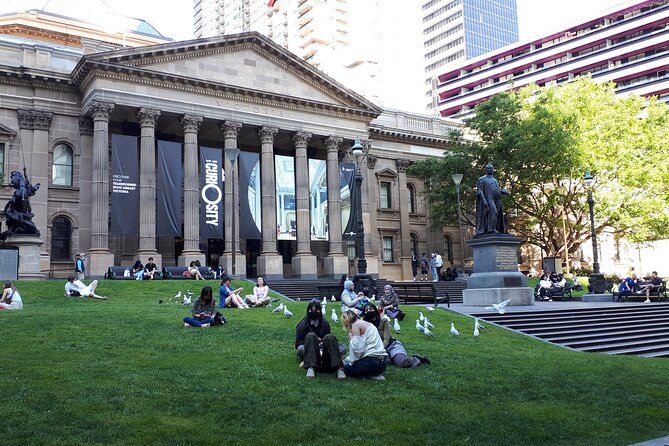
- Small groups of up to 10: You get a better chance to hear the guide and ask about buildings that catch your eye.
- A walk through several eras: The route links Melbourne’s 1850s beginnings with later Victorian, commercial, religious, and modern designs.
- Major stops include Flinders Street Station and Federation Square: You see two of the city’s most recognizable architectural landmarks in direct contrast.
- Guides bring different strengths: Past tours have been led by Kathy, John, and San, with an emphasis on history, design, and questions.
- The walk finishes roughly near Bourke Street Mall: The exact endpoint depends on group size and walking speed.
- Good weather matters: You can change dates or receive a full refund if poor weather causes cancellation.
Why Melbourne works so well for an architecture walk
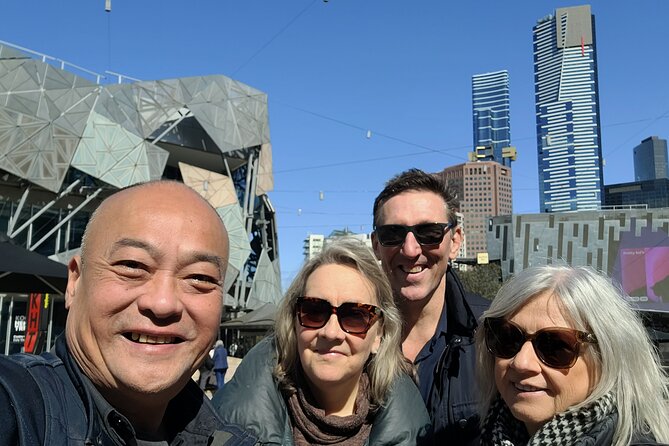
Melbourne’s central streets pack a surprising range of building styles into a compact area. The city’s architectural story reaches back to the 1850s, and you can see that timeline without spending half a day on transport.
That makes this a useful first look at Melbourne. You are not only staring at façades. You are learning how the city changed, what different buildings were designed to do, and why some structures still matter today.
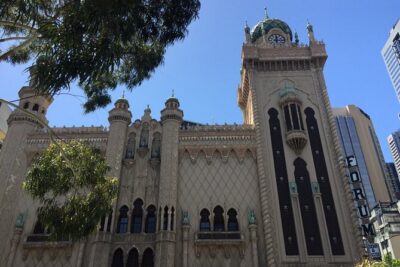
I particularly like the contrast built into the route. Flinders Street Station and Scots Church belong to a very different visual world from Federation Square. The tour helps you connect those differences instead of seeing each building as an isolated photo stop.
The guides also point out details that are easy to miss from street level. One useful part of the experience is learning which buildings you may be able to enter. Some of Melbourne’s most interesting architecture is not obvious from the pavement, so this practical guidance can help you explore the CBD on your own later.
More Architecture Tours around the world:
- Chicago Architecture River Cruise
★ 5.0 · 15,756 reviews - Chicago River 90-Minute Architecture Tour
★ 4.5 · 9,629 reviews - Chicago River: 1.5-Hour Guided Architecture Cruise
★ 4.8 · 8,046 reviews
Meeting at St Paul’s Cathedral on Flinders Street
The tour begins at 198 to 206 Flinders Street, near St Paul’s Cathedral. This is a central meeting point, close to public transport and easy to place on a Melbourne map.
Arrive ready to start walking. The booking uses a mobile ticket, so you do not need to arrange a paper voucher. Since the group may move at a steady pace, I would avoid arriving at the last minute, especially if you are unfamiliar with the CBD.
St Paul’s Cathedral also gives you a useful sense of place. From here, the route begins among some of central Melbourne’s most recognizable buildings, and you can quickly see why the city is a rewarding place for this kind of tour.
The precise route can vary. The guide adjusts the walk as much as possible to the group’s interests, size, and speed. That flexibility is helpful, though it means you should not expect every tour to follow an identical sequence.
Flinders Street Station and Melbourne’s grand civic face
Flinders Street Station is one of the key sights on the walk. Even if you have already photographed its famous façade, a guide adds value by explaining how the building fits into Melbourne’s wider architectural development.
Look at the building as more than a transport hub. Its scale, decoration, and position beside the Yarra help explain the visual character of this part of the city. You get a clearer sense of how Melbourne used monumental buildings to express its growing importance.
A guide can also direct your attention to features you might ignore when rushing for a train. This is one of the tour’s strongest points: you are encouraged to look closely, not simply collect landmarks.
The stop is still an outdoor city visit, so street noise and passing pedestrians are part of the setting. You will not have the quiet of a museum room, but the busy central location lets you see the buildings in their everyday context.
Federation Square and the sharpest change in style
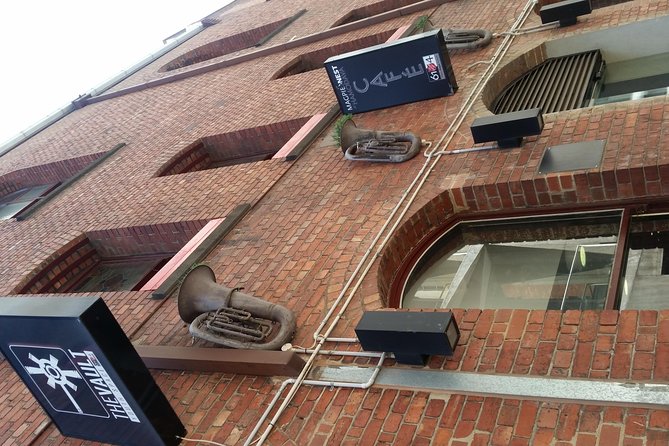
Federation Square provides the modern counterpoint to the older buildings along the route. Its design is more angular and contemporary, and it can prompt a useful discussion about what a public gathering place should look like in a historic city center.
I like having Federation Square in the same walk as Flinders Street Station. The comparison makes the tour more than a parade of old buildings. You can consider how ideas about materials, public space, shape, and city identity changed over time.
The square is also a practical place to pause and get your bearings. Depending on the group’s pace, the guide may spend more or less time here, especially if people have questions about the design or the surrounding CBD.
Do not expect the tour to settle every debate about Federation Square. Its design is complex and visually distinctive, and the value here is learning how it fits into Melbourne’s broader architectural story.
Same streets, read through a different style:
- Barcelona: Park Güell and Gaudí House Museum Entry Ticket
★ 4.5 · 6,326 reviews - Chicago Architecture Center River Cruise aboard First Lady
★ 5.0 · 5,536 reviews - Barcelona: Gaudi’s Casa Vicens Skip-the-Line Entrance Ticket
★ 4.7 · 4,541 reviews - Barcelona: Gaudí’s Park Güell Tour with Fast-Track Ticket
★ 4.8 · 4,512 reviews
The ANZ Bank Museum and commercial Melbourne
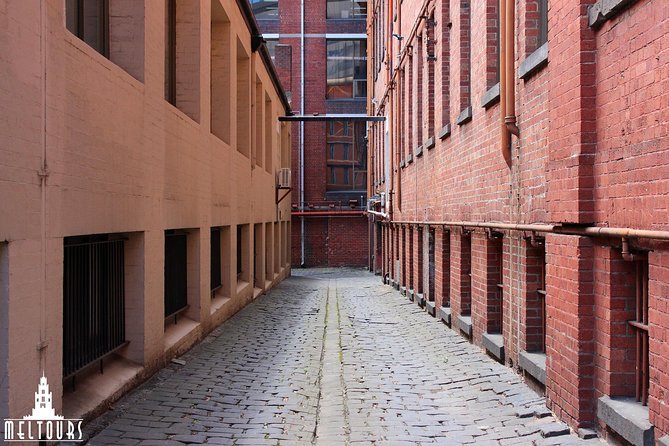
The ANZ Bank Museum adds another layer to the walk. This stop shifts attention from civic buildings and public squares to commercial architecture and the financial life of the city.
The building’s importance is not only visual. Banks often reveal how a growing city presented wealth, security, and status. Your guide can place this part of the CBD within the story of Melbourne’s development from the 1850s onward.
The museum name suggests a more focused stop than a quick glance at a façade, but the exact amount of time spent there can vary. The supplied details do not promise a private museum visit or a specific interior program, so I would treat it as an architectural and historical point on the walking route rather than a separate museum tour.
This is one reason the guide matters. A building that looks formal or imposing from outside becomes easier to read once you understand its original purpose.
Scots Church and the city’s religious architecture
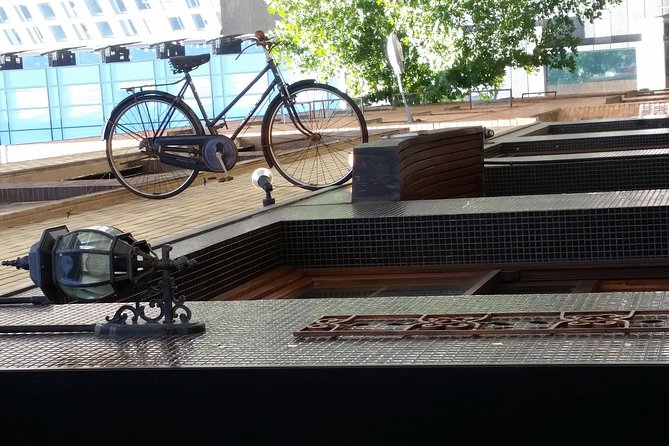
Scots Church brings religious architecture into the picture. It helps show that Melbourne’s central buildings were not designed only for commerce, transport, or civic display.
The stop also adds variety to the route. You move between different building types, each with its own demands and public role. A church, bank, station, and public square may sit within a short walk of one another, yet each communicates something different about the city.
The guide’s job here is not just to name the style. You can ask about the building’s place in Melbourne’s past, its relationship with nearby streets, and the design choices that make it different from the commercial buildings around it.
As with the other stops, the experience is strongest if you look up and around rather than simply waiting for a date or architectural label. Small visual details often become more noticeable once someone directs your attention to them.
Other CBD buildings and details away from the street
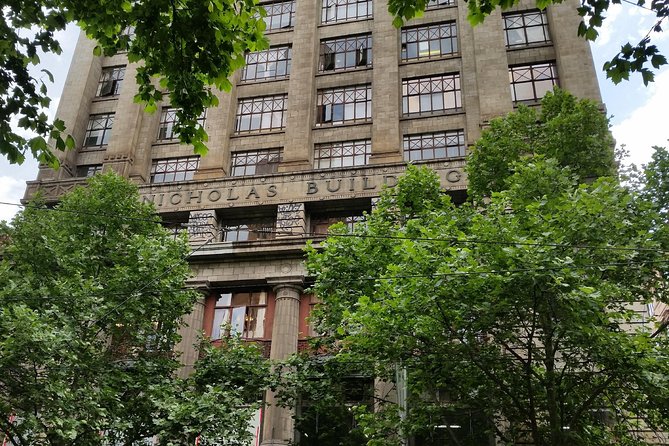
The named stops are only part of the experience. The guide also takes you to other buildings in central Melbourne, including places you might not notice on your own.
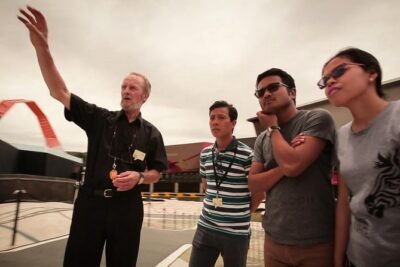
This is where the tour can feel personal rather than rehearsed. Past guides have included Kathy, John, and San, and the experience is designed to allow questions about different subjects. You can ask about a building that catches your eye, a style you want explained, or how a particular structure fits into the city’s story.
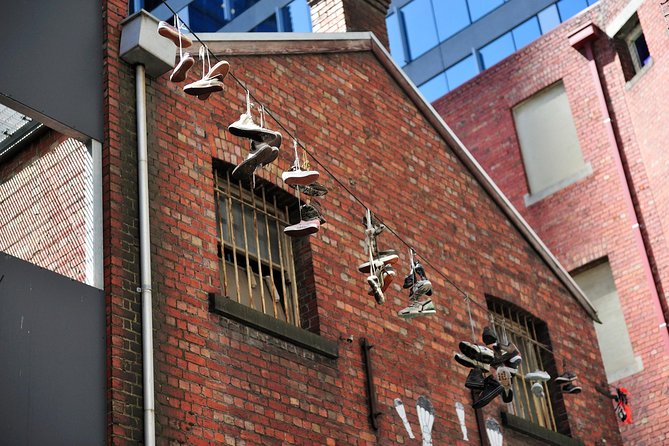
The guide may also show you buildings that are not obvious from the main street. Some locations may be open for you to enter, and knowing that can improve the rest of your time in Melbourne. Still, access is not guaranteed for every building, so think of this as useful orientation rather than an interior access pass.
I value this part because it gives you a way to keep exploring after the tour ends. Once you know where to look, an ordinary walk through the CBD becomes more rewarding.
What the guides add to the experience
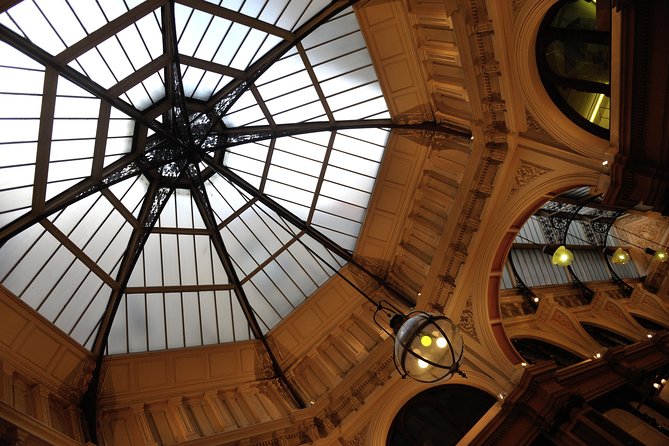
The strongest praise for this tour centers on the guides’ command of both architecture and Melbourne history. That matters because architectural tours can become dry if they focus only on dates and labels.
The guide names associated with the experience include Kathy, John, and San. The exact guide depends on the departure, so you should not book expecting one particular person. Still, the format encourages an open exchange rather than a rigid script.
That flexibility suits curious visitors. One guide may spend more time on historical context, while another may focus on design details or practical questions about entering buildings. The tour can also adjust to the group’s interests as far as time and pace allow.
I would ask questions as you go. This is a small group, not a large coach tour, and the maximum of 10 people gives you a fair chance to speak up. If you simply walk at the back and listen, you will still get useful information, but the experience offers more when you take part.
Two hours on foot, with a flexible finish
The advertised duration is about two hours. That is long enough to cover several important buildings without taking over your whole day, but you should still treat it as a proper walking activity.
Wear comfortable shoes. You will be moving through central Melbourne streets, stopping at buildings, and keeping pace with a group. The exact finish is not fixed. The walk ends roughly near Bourke Street Mall, with the final location influenced by the group’s size and speed.
That uncertain endpoint is not a major problem. Bourke Street Mall is central, and it leaves you well placed for shopping, food, public transport, or more sightseeing. Just do not plan a tightly timed appointment immediately afterward.
The route is near public transportation, which makes the start convenient. Most people can take part, but the experience is not wheelchair accessible. If mobility is a concern, you should contact the provider before booking rather than relying on the general participation notice.
Is the $64.55 price fair?
At $64.55 per person, this is not the cheapest way to walk around Melbourne. You can see many central façades for free with a map and a few hours of self-guided research.
The price becomes easier to justify if you value interpretation. You are paying for a small group, a guide who can answer questions, a planned route, and context that is difficult to gather while walking alone. The guide may also point out buildings and possible entrances you would likely miss.
The maximum group size of 10 is important here. A much larger group would make street-side explanations harder to hear and reduce the chance of asking questions. For a visitor who wants architecture explained rather than simply photographed, the smaller format improves the value.
I would book it early in your Melbourne stay if architecture interests you. The information can shape the rest of your sightseeing, and the central finish makes it easy to continue exploring afterward.
Weather, cancellations, and practical limits
This experience requires good weather. If poor conditions cancel the tour, you can choose another date or receive a full refund. That policy is reassuring, but you should still keep your day flexible if the forecast looks uncertain.
You can cancel for a full refund up to 24 hours before the start time. Cancellations or changes made less than 24 hours before the start time are not refunded or accepted under the stated policy.
The tour also requires a minimum number of participants. If that minimum is not reached, you can choose another date or experience, or receive a full refund.
These rules are worth noting because the walk is outdoors from start to finish. Melbourne weather can change, and comfortable shoes plus a light weather layer are sensible choices, even though the supplied details do not specify what to bring.
Who should book this Melbourne architecture tour?
I would recommend it to you if you enjoy cities through their buildings, want a clear introduction to Melbourne’s CBD, or prefer a small group to a large sightseeing circuit.
It is especially useful for:
- First-time visitors who want historical context while getting their bearings.
- Architecture fans who want more than a list of famous façades.
- People who enjoy asking questions and comparing different design periods.
- Visitors with only a few hours who want a central activity.
- Anyone interested in learning which buildings may be worth entering later.
I would think twice if you dislike walking, need step-free access, or want a fixed endpoint and tightly timed schedule. It is also less suitable if you prefer a deep interior tour of one building, since the focus is a moving overview of several sites.
Should you book it?
Book this tour if you want Melbourne’s buildings to make more sense by the end of your first day. The strongest reasons are the small group, the range of architectural periods, and the chance to notice details and possible entrances that are easy to miss alone.
The tour is not a substitute for a full museum visit or a specialist study of one building. It is a compact, useful introduction to Melbourne’s central architecture, with guides such as Kathy, John, and San bringing history and design into the same two-hour walk.
At $64.55, I see it as good value for an architecture-minded visitor who wants explanation, questions, and a well-planned route. Wear comfortable shoes, allow some flexibility at the end, and book it when the forecast looks kind.
FAQ
Where does the Architecture Tour of Melbourne start?
The tour starts at 198 to 206 Flinders Street, Melbourne, near St Paul’s Cathedral.
Where does the tour finish?
There is no fixed end point. The walk finishes roughly near Bourke Street Mall, depending on the group’s size and walking speed.
How long does the tour last?
The tour lasts approximately two hours.
How many people are in each group?
The tour has a maximum of 10 participants.
Which buildings are included?
The route includes Federation Square, Flinders Street Station, the ANZ Bank Museum, Scots Church, and other buildings in central Melbourne.
Is the tour wheelchair accessible?
No. The experience is not wheelchair accessible.
What happens if the weather is poor?
If poor weather causes the tour to be canceled, you can choose a different date or receive a full refund.
Can I cancel for a full refund?
Yes. You can cancel at least 24 hours before the start time for a full refund. Cancellations or changes made less than 24 hours before the start time are not accepted or refunded.
New to the itinerary around the world
- Washington, DC: Georgetown Architecture Walking Tour★ 5.0 · 8 reviews
- Wilmington History and Architecture Tour★ 4.8 · 18 reviews
- Walk & Discover KL’s Architectural and Heritage Gems★ 5.0 · 7 reviews
- Washington DC: Dupont Circle & Embassy Row Architecture Tour★ 5.0 · 6 reviews
- New Orleans : Garden District Architecture Walking tour★ 4.8 · 5 reviews
- Unveiling Brno: History, Culture & Architectural Delights★ 5.0 · 2 reviews
- Vicenza: Palladian Architecture Private Walking Tour★ 3.3 · 3 reviews
- Private Colonial Williamsburg Architectural Tour★ 5.0 · 5 reviews
Australia Architecture Tours, compared.