Review · BARCELONA
Gaudi UNESCO Highlights Small Group Bike Tour
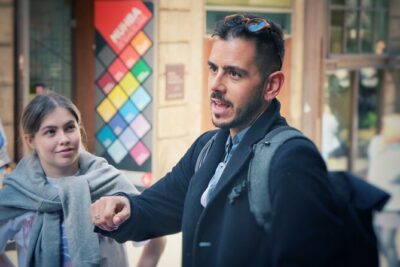
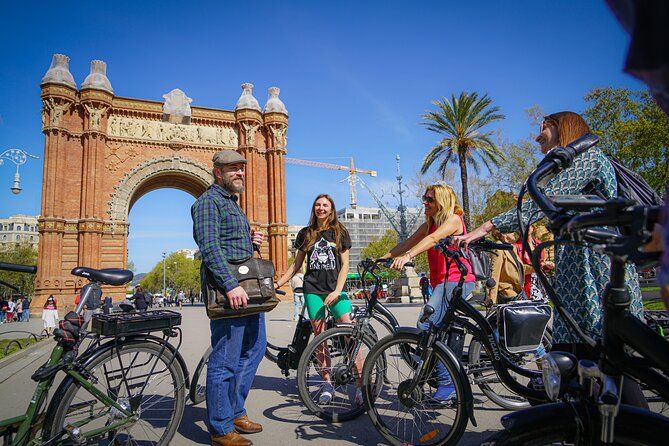
Barcelona’s Gaudí story comes together well from a bike seat. In four hours, you can connect Sagrada Família, Casa Batlló, Casa Milà, and Casa Vicens without spending your day underground on the metro. I like the relaxed pace and the chance to see how Gaudí’s ideas changed across several buildings. I also like the small group, capped at eight, since guides such as Ale, Elisa, Agustin, and Bella can answer questions instead of giving a speech to a crowd.
The catch is simple: this is an exterior sightseeing ride. Admission to the buildings is not included, and the tour begins and ends near the marina rather than in the Eixample, where most of Gaudí’s major façades are found. You will also need to be comfortable cycling through Barcelona, though the route is described as manageable and an electric bike costs an additional €10.
Key points to know before you book
- Five Gaudí exteriors in one ride: See Sagrada Família, Casa Vicens, Casa Milà, Casa Batlló, and Gaudí’s lampposts in Plaça Reial.
- A maximum of eight people: The small size gives you a better chance to ask about architecture, Catalan culture, and Barcelona’s city planning.
- Bike rental is included: A standard bike and four-hour hire are part of the $46.91 price; an e-bike upgrade costs €10.
- The buildings are not entered: This is an architectural overview, not an interior tour of Sagrada Família or the Modernisme houses.
- A short city-square break: You stop at a picturesque square, but food and drinks are your own expense.
- Good for a first look at Barcelona: The route links several districts and returns to the starting point at Ocean Bikes Barcelona.
Why a bike is a smart way to see Gaudí
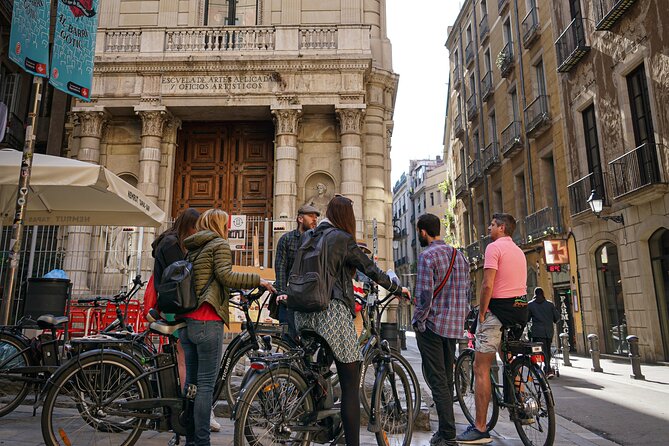
Gaudí’s work is scattered across Barcelona, and that makes a walking tour a little awkward. Sagrada Família is well east of the grand homes on Passeig de Gràcia, while Casa Vicens sits farther north in Gràcia. By bike, you can cover the distance between them and still stop often enough to look up, take photos, and hear the story behind each façade.
I particularly like this format if you are in Barcelona for only a few days. You get a useful first map of the city rather than one isolated monument. The ride connects the old waterfront area, Ciutadella Park, the central Gothic Quarter, and the Eixample, where Gaudí’s best-known private commissions line the streets.
The route is not only about Gaudí. Guides have added stories about Barcelona’s expansion, the 1992 Olympics, the city’s pedestrian areas, and the rivalry between Gaudí, Lluís Domènech i Montaner, and Josep Puig i Cadafalch. That wider context matters. Gaudí makes more sense when you see him as part of a larger Catalan Modernisme movement, not as a lone eccentric producing strange buildings in isolation.
The four-hour duration gives the ride enough time to feel substantial without turning it into an all-day cycling commitment. Past groups have described the pace as easy and relaxed, with time to stop and take photos. Families have also used the route successfully, including one group with children aged 9 and 12.
More Architecture Tours by Bike and Segway in Barcelona
- Barcelona e-Bike Tour: Gaudí & Old Town Small Group
★ 5.0 · 769 reviews - Historical and Modernist Bike Tour Barcelona
★ 5.0 · 262 reviews - Barcelona Bike tour, Gaudí houses or beach bike or eBike tour
★ 5.0 · 140 reviews
Starting at Parc de la Ciutadella
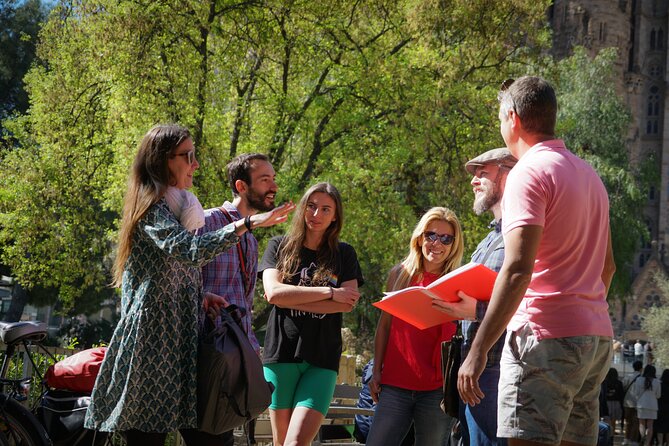
The tour begins at Ocean Bikes Barcelona at Moll de la Marina, near the waterfront, then heads toward Parc de la Ciutadella. The park is one of Barcelona’s pleasant open spaces, with broad paths, shade, and a famous fountain associated with Gaudí.
You only spend about 10 minutes here, so treat it as an introduction rather than a full park visit. The stop helps set the tone: this is a moving tour with short pauses, not a series of long guided walks. You will have time to see the fountain and hear why it matters, but not time for a leisurely wander through every corner of the park.
This first section also gives you a chance to settle onto the bike. Helmets are available on request. If you are not used to city cycling, tell the guide early, especially if you are traveling with children or have mixed riding abilities in your group.
Sagrada Família: the essential stop
Sagrada Família is the visual anchor of the day. The church’s tall towers and organic stone forms are unlike anything else in Barcelona, and even a short exterior visit gives you plenty to study.
The planned stop lasts about 30 minutes, the longest pause on the route. That is enough time to walk around part of the exterior, compare the different façades, and take photographs. It is not enough for an interior visit, so do not book this ride expecting to enter the basilica.
This distinction is important. Sagrada Família deserves its own visit if you want to see the interior, the light through the stained glass, and the full museum experience. The bike tour is better for orientation and outside detail. Your guide can point out features that are easy to miss when you arrive alone, then you can return later with a timed admission ticket if the building is a priority.
The 30-minute stop also keeps the tour moving. You see the basilica at a sensible point in a larger city route rather than spending the entire morning in one place.
Casa Vicens and Gaudí’s first major statement
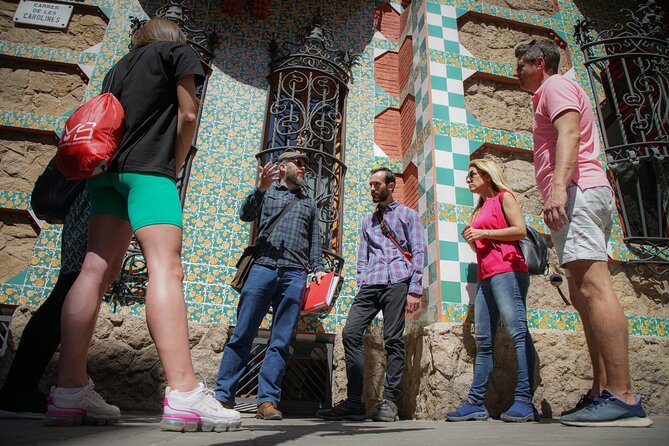
Casa Vicens is a useful contrast to Sagrada Família. Built from 1883 to 1885, it was Gaudí’s first important work. Here, you see an earlier, more decorative side of his design, with patterned surfaces and a strong interest in color and texture.
The stop lasts about 10 minutes and is exterior only. That is enough to understand the building’s place in Gaudí’s career, though not enough to inspect every detail. If Casa Vicens is high on your list, note that admission is not included and that this tour will not replace a separate interior visit.
I like having Casa Vicens in the route because it prevents the day from becoming a parade of only the famous names. Seeing an early work beside the later houses helps you notice development. You can look for the movement from decorative historic styles toward the flowing forms that became his signature.
More Architecture Tours by Bike and Segway in Spain
- Barcelona: 2.5-Hour Gaudí Segway Tour
★ 4.8 · 114 reviews - Gaudi’s Barcelona 2-Hour Segway Tour with a Live Guide
★ 4.9 · 67 reviews - barcelona: Gaudi Highlights eBike tour
★ 4.8 · 59 reviews - Barcelona Gaudí Segway Tour
★ 5.0 · 58 reviews
Casa Milà and the question of the rough façade
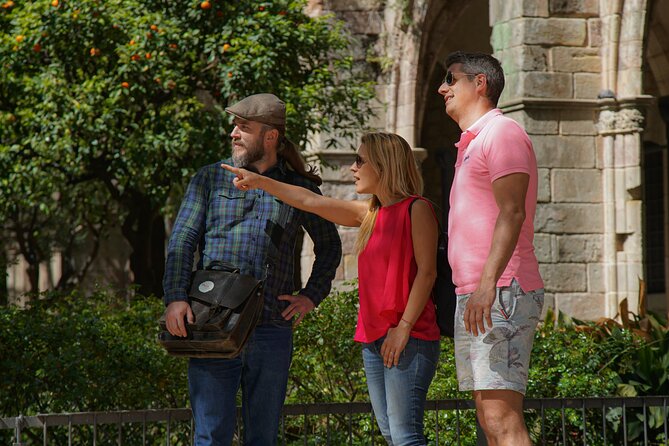
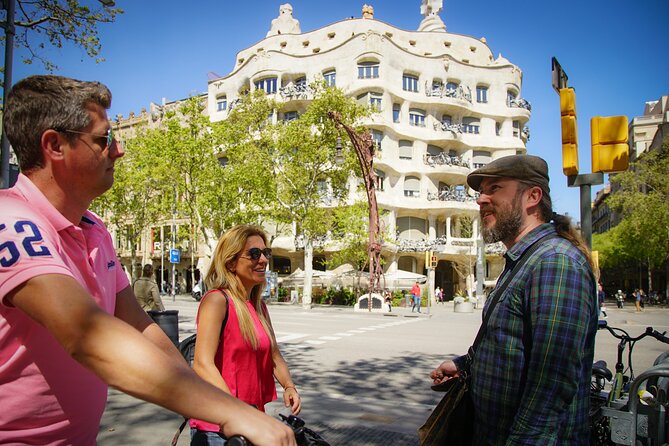
Casa Milà, usually called La Pedrera, gets 15 minutes. Locals gave it the nickname quarry because of its rough, irregular stone exterior. It was controversial when built, and the unusual façade still looks almost unfinished to many eyes.
That unfinished quality is part of the fun. You can ask the guide about the debate over whether Gaudí left the building incomplete or intended the façade to look exactly as it does. The tour does not settle the question with an interior visit, but it gives you a reason to look closely rather than simply photograph the front and move on.
Admission is not included. La Pedrera’s interior and rooftop are well known, but they require separate planning. If you want to walk among the sculptural chimneys or see the curved interior rooms, set aside another visit and budget for another ticket.
The 15-minute exterior stop works best for visitors who want a broad Gaudí survey. It is less suitable if you already know you want a detailed visit inside Casa Milà.
Casa Batlló and the showpiece on Passeig de Gràcia
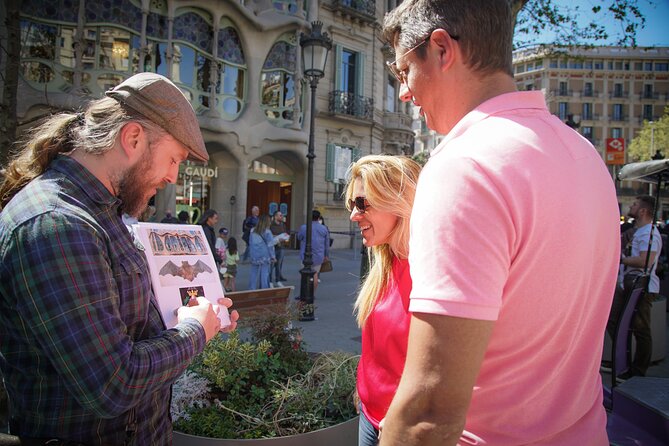
Casa Batlló receives another 15-minute stop. Many people consider it Gaudí’s most beautiful building, and its façade rewards close attention. Curving forms, colorful ceramic surfaces, and unusual window shapes make it easy to see why this house is one of Barcelona’s major architectural sights.
The short stop lets you appreciate the front and hear the main ideas, but again, there is no interior entry. Casa Batlló has a highly designed interior visit, so plan that separately if you want the full experience.
This is also a good place to remember that Barcelona’s grand boulevards are part of the story. Gaudí’s buildings were commissioned by wealthy families in a period when the expanding Eixample became a stage for architectural competition. The guide can help you see Casa Batlló not just as a pretty façade, but as part of a street where major Catalan architects were making bold public statements.
Plaça Reial and Gaudí’s small-scale work
The final listed stop is Plaça Reial in the Gothic Quarter, a handsome square with arcades, palms, cafés, and a lively city atmosphere. Gaudí designed the square’s distinctive lampposts early in his career.
This is a refreshing change from the major houses. Instead of looking at an entire building, you study a smaller commission that can be easy to miss. The 10-minute stop is also the scheduled refreshment break, giving you a chance to pause in a central square.
Food and drinks are not included, so bring money if you want something during the break. The stop is short, but it adds breathing room after several architectural visits. It also places Gaudí’s work in ordinary city life, where residents and café customers pass the lampposts without treating them like a museum object.
What the guides add to the ride
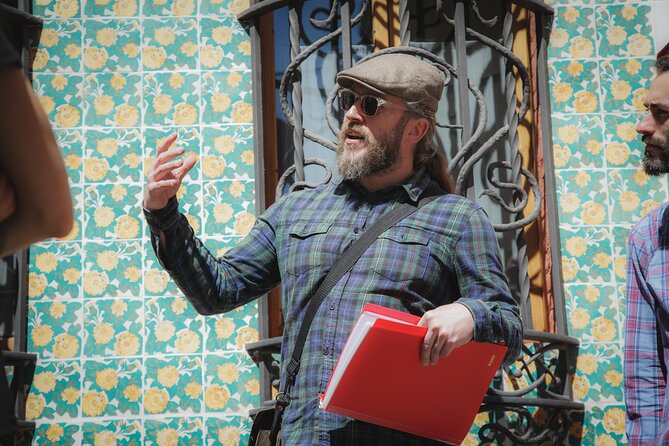
A good city bike tour depends heavily on the guide, and this one is built around that personal element. Ale has been described as warm, energetic, and willing to answer questions. Elisa is associated with clear storytelling that mixes historical facts with lighter details. Agustin has led both standard-bike and e-bike outings, while Bella has guided families at a careful pace.
The useful thing to expect is not just a list of construction dates. Guides have explained how Barcelona developed, why the city made room for pedestrians, and how the three major Catalan architects differed. One memorable local detail concerns the stone bases of the street lamps on Passeig de Gràcia, which served as warm seats for wealthy residents in winter. Stories about Saint George’s Day and red roses also bring local customs into the ride.
Names and guide assignments can change, so you should not book on the assumption that one particular guide is guaranteed. Still, the small-group limit gives the experience a good chance of feeling conversational. With no more than eight people, you can ask why a façade looks unfinished, how a neighborhood changed, or which building deserves a separate interior visit.
Standard bike or €10 e-bike upgrade?
The base price is $46.91 per person and includes a four-hour standard bike rental. That is a fair price for a guided ride covering several parts of Barcelona, especially if you would otherwise pay separately for bike hire and a sightseeing walk.
The e-bike upgrade costs €10 extra. It may be worthwhile if you dislike hills, have mixed fitness levels in your group, or simply want to save energy for the stops. Some routes associated with the operator include uphill riding, and an electric motor can make those sections easier. The supplied details for this Gaudí route do not promise a major hill climb, so consider the upgrade a comfort choice rather than a necessity.
A helmet is available on request. Ask for one if you want it, and make sure the bike feels right before leaving the meeting point. The tour ends back where it begins, which is convenient for returning the bikes and continuing toward the beach or marina afterward.
Who will enjoy this four-hour ride?
I would recommend this tour to first-time visitors who want a clear introduction to Gaudí without spending the day inside museums. It also suits families who can manage a relaxed city ride, couples who prefer active sightseeing, and anyone who wants a guide to connect architecture with Barcelona’s wider story.
It is less suitable for you if your main goal is detailed interior access. None of the five Gaudí buildings is entered, and admission tickets are not part of the price. You should also think twice if you dislike cycling in an urban setting, though the pace is described as manageable and the route includes frequent stops.
The ride works especially well early in your stay. Afterward, you will know which buildings deserve a return visit and where the main central areas fit together. You can then choose an interior visit based on your interests instead of trying to see every Gaudí site at once.
Practical value and booking advice
The experience is typically booked well ahead, with an average lead time of about 54 days. That suggests you should reserve early if your dates are fixed, especially because the group is limited to eight people.
Mobile tickets are provided, public transportation is nearby, and most people can participate. The tour is offered in English. You can cancel for a full refund up to 24 hours before the start time, but changes or cancellations inside that window are not refunded.
The price becomes especially good value if you would rent a bike anyway. You are paying for the bicycle, guide, route planning, and local explanation in one package. The value is weaker if you plan to buy separate admission for every building and expect those tickets to be part of the booking. They are not.
Should you book the Gaudí bike tour?
Book it if you want to see a lot of Barcelona in half a day, prefer active sightseeing, and are happy to view the buildings from outside. The combination of five Gaudí stops, a small group, included bike hire, and a local guide makes this a strong first look at the city for $46.91.
Skip it if you want long visits inside Sagrada Família, Casa Batlló, or La Pedrera, or if cycling through city streets sounds stressful. For everyone else, I would choose the standard bike for the best value, add the €10 e-bike upgrade for extra comfort, and use the tour to decide which Gaudí interiors deserve your next ticket.
FAQ
How long does the Gaudí bike tour last?
The tour lasts approximately four hours, including the cycling, sightseeing stops, and refreshment break.
What buildings are included?
The route includes exterior visits to Sagrada Família, Casa Vicens, Casa Milà, and Casa Batlló, along with Gaudí’s lampposts in Plaça Reial. Parc de la Ciutadella is also included.
Can I enter the Gaudí buildings?
No. The five Gaudí buildings are visited from the outside, and admission tickets are not included.
Is bike rental included?
Yes. A four-hour standard bike rental is included. An electric bike is available as an upgrade for €10 extra.
How many people are in the group?
The maximum group size is eight people.
Where does the tour start and finish?
The tour starts at Ocean Bikes Barcelona at Moll de la Marina, 1, in Barcelona. It ends back at the same meeting point.
More Gaudí Tours in Barcelona
- Barcelona: Park Güell and Gaudí House Museum Entry Ticket
★ 4.5 · 6,326 reviews - Barcelona: Gaudi’s Casa Vicens Skip-the-Line Entrance Ticket
★ 4.7 · 4,541 reviews - Barcelona: Gaudí’s Park Güell Tour with Fast-Track Ticket
★ 4.8 · 4,512 reviews - Sagrada Familia & Gaudi Tour Private or Small Group with Tickets
★ 4.5 · 1,188 reviews
New to the itinerary around Barcelona
- Roman & Gotic & Gaudi in Barcelona: private walking tour★ 4.5 · 2 reviews
- Visit to the Modernist houses of the Americans★ 5.0 · 2 reviews
- Barcelona Gaudi Tour: Sagrada Familia, Casa Batllo & Casa Mila★ 5.0 · 4 reviews
- Barcelona Street Escape: Gaudi and the Hidden Treasure★ 5.0 · 17 reviews
- Gaudí & Catalan Modernism Private Walking Tour★ 5.0 · 11 reviews
- Self-Guided Audio Tour-The Surrealist Barcelona of Dalí and Gaudí★ 3.5 · 8 reviews
- Gaudí and Barcelona Legends – Private Tour★ 5.0 · 4 reviews
- Gaudi’s Casa Batlló and La Pedrera with Chocolate Tasting★ 5.0 · 5 reviews
Gaudí Tours, compared.
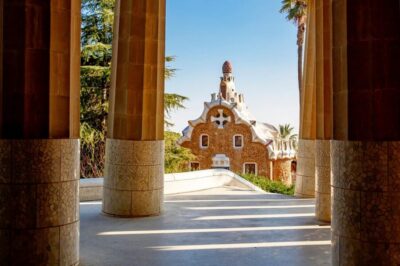
Park Güell and Gaudí House Museum Entry Ticket
Read our review →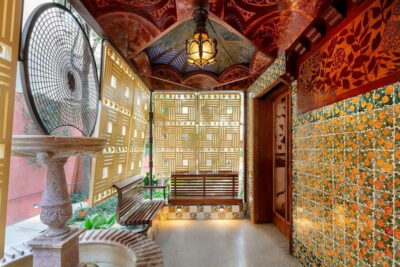
Gaudi’s Casa Vicens Skip-the-Line Entrance Ticket
Read our review →
Gaudí’s Park Güell Tour with Fast-Track Ticket
Read our review →
Sagrada Familia & Gaudi Tour Private or Small Group with Tickets
Read our review →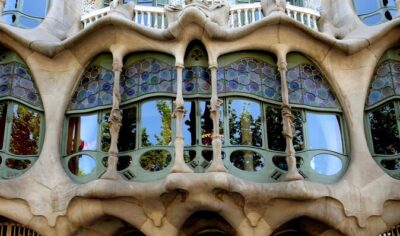
Complete Gaudi Tour: Casa Batllo, Park Guell & Sagrada Familia
Read our review →
Park Güell: Guided Tour with Optional Gaudí Experience Entry
Read our review →
Barcelona e-Bike Tour: Gaudí & Old Town Small Group
Read our review →