Review · BARCELONA
Barcelona Gaudí Segway Tour
Barcelona’s Gaudí sights are spread across the city, and a Segway lets you connect them without spending the day on foot. I like the mix of major landmarks and lesser-known Modernist façades, from Casa Vicens to Casa Comalat. I also like that you see the exteriors without paying museum fees or waiting in entry lines.
The catch is that a Segway takes a little practice. One serious complaint involved falls on the road after poor instruction, while other riders praised patient guides such as Sophie, Arnau, and Etienne. Ask for a careful briefing, start slowly, and remember that this is for people aged 16 and older.
Key things to know before you book
- Cover 15 Gaudí-related stops in about two and a half hours, including Sagrada Família, Casa Batlló, La Pedrera, and Hospital de Sant Pau.
- Choose a private or group tour, depending on your budget and preferred pace. The group maximum is 20 people.
- Expect exterior sightseeing, not interior visits. Entry fees are not included at the paid attractions.
- Guides add the context, with Etienne praised for history and photo stops, Sophie for family-friendly instruction, and Arnau for architecture details.
- You must step on and off the Segway without help, much like climbing and descending stairs. The recommended weight range is about 45 to 120 kilograms.
- Book only if you are 16 or older, and allow at least 24 hours if you need to cancel for a full refund.
Why a Segway makes sense for Barcelona’s Gaudí circuit
Gaudí’s work is not packed into one small square. Casa Vicens is in Gràcia, Sagrada Família is farther east, and the grand façades of Passeig de Gràcia form another cluster. Walking between them takes time. A bus can move you around, but it does not give you the same open-air feel or easy stopping power.
This tour uses a Segway to bridge that gap. You can cover more ground than on foot while still pausing at individual buildings. The route also includes an e-bike option, which may suit someone who does not want to balance on a Segway, though the precise vehicle depends on the option selected when you book.
At $47.07 per person, the value rests in the combination of transport, a local guide, equipment, water, helmet, and insurance. It is not a substitute for going inside Sagrada Família or Casa Batlló, since admission is not included. But if your main goal is to understand the shape of Gaudí’s work across Barcelona and collect a strong set of outside views, the price is reasonable for a 2.5-hour guided ride.
More Architecture Tours by Bike and Segway in Barcelona
- Barcelona e-Bike Tour: Gaudí & Old Town Small Group
★ 5.0 · 769 reviews - Historical and Modernist Bike Tour Barcelona
★ 5.0 · 262 reviews - Barcelona Bike tour, Gaudí houses or beach bike or eBike tour
★ 5.0 · 140 reviews
Starting at Arc de Triomf and entering Gràcia
The meeting point is Passeig de Lluís Companys, 10, near Arc de Triomf in Ciutat Vella. The first stop is the Arc de Triomf itself, with about five minutes for a quick look. This broad brick arch is a useful starting marker and an easy place to recognize before the riding begins.
The route then heads toward Barri de Gràcia for around 20 minutes. Gràcia has a different feel from the grand avenues around Plaça de Catalunya. Its streets and squares give the tour a more local urban setting, and this longer stop helps break up the procession of famous façades.
Your guide should use this early stretch to help you get comfortable. A Segway responds to body movement, and curbs, uneven pavement, and sudden stops require attention. Do not feel rushed. The positive comments about Sophie’s patience and the professional briefing from the German-speaking rider point to the importance of a calm start.
Casa Vicens and Palau Macaya
Casa Vicens receives only about five minutes, but it is one of the most important early stops. This was one of Gaudí’s first major commissions, and its patterned exterior gives you a quick lesson in his interest in color, texture, and decorative detail.
Admission is not included. The tour is built around seeing the outside, so you should not expect time for an interior visit during the ride. If Casa Vicens is a personal priority, treat this stop as an introduction and return later with a separate ticket.
At Palau Macaya, also called CaixaForum Macaya in the route details, the focus shifts to another Catalan Modernist building. Again, you get roughly five minutes and no included entry. These short pauses work best if you listen for one or two architectural points, take a photograph, and keep moving.
Sagrada Família and Avinguda Gaudí
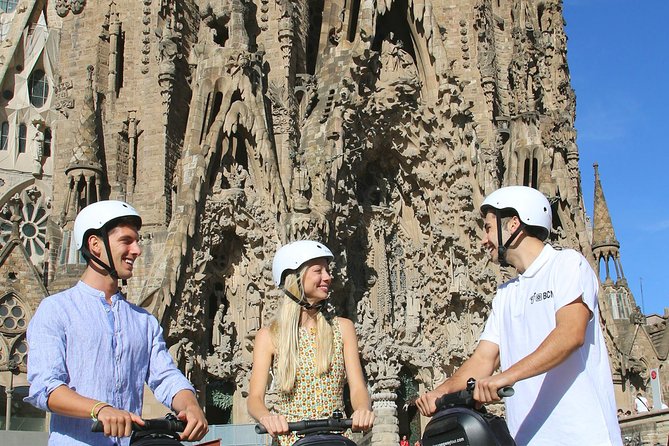
Sagrada Família is the emotional center of the route for many people. The stop is brief, around five minutes, and admission is not included. You will see the exterior rather than tour the basilica, so this is a preview, not a replacement for an interior visit.
That distinction matters. Sagrada Família rewards time inside, where you can study the columns, light, and different façades at close range. This Segway outing gives you the larger picture and helps place the basilica within the city, but you need a separate ticket if you want to enter.
Avinguda Gaudí follows as a short, free stop. The avenue creates a visual link between Sagrada Família and Hospital de Sant Pau. It is a useful part of the route because it shows how two major Modernist sites relate to each other rather than treating them as isolated monuments.
More Architecture Tours by Bike and Segway in Spain
- Barcelona: 2.5-Hour Gaudí Segway Tour
★ 4.8 · 114 reviews - Gaudi’s Barcelona 2-Hour Segway Tour with a Live Guide
★ 4.9 · 67 reviews - barcelona: Gaudi Highlights eBike tour
★ 4.8 · 59 reviews - Barcelona Gaudi Guided Small Group E Bike Tour
★ 5.0 · 53 reviews
Hospital de Sant Pau and the Monumental bullring
The Recinte Modernista de Sant Pau is another major exterior highlight. Its ornamental buildings were designed by Lluís Domènech i Montaner, not Gaudí, but it belongs to the same wider Catalan Modernist movement. That makes the tour more useful than a narrow checklist of Gaudí buildings. You see the broader architectural culture that shaped Barcelona.
The stop lasts about five minutes, and entry is not included. The complex is large, so do not expect to inspect every courtyard or building from the Segway. If you enjoy architecture, you may want to return on foot for a dedicated visit.
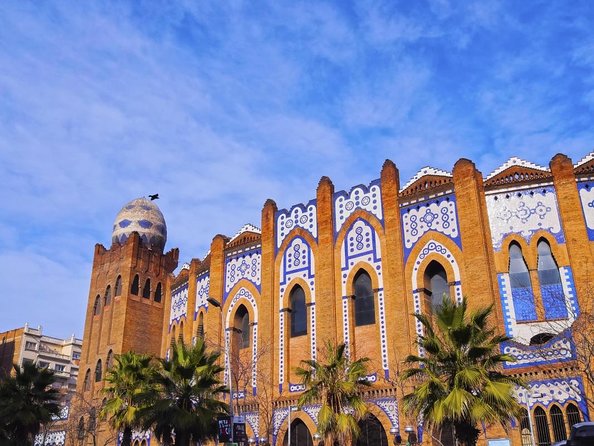
Plaza de Toros Monumental de Barcelona brings a different style into the route. Its striking exterior and history as a bullring add variety after the ornate Modernist buildings. It is another short stop, with no included admission. The value here is visual contrast and city context rather than a long explanation inside the venue.
Passeig de Gràcia’s famous façades
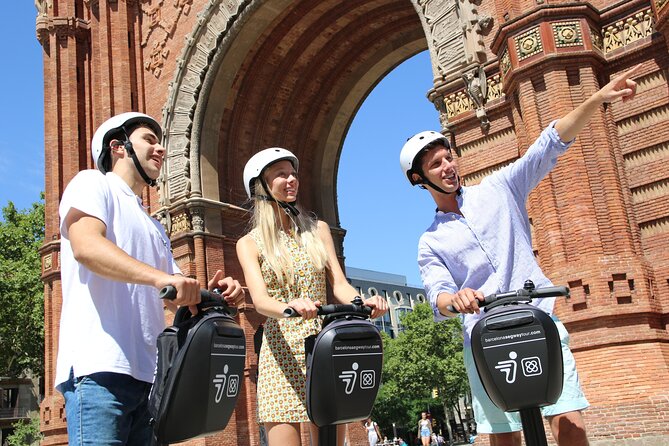
The route then reaches Passeig de Gràcia, Barcelona’s grand architectural showcase. This is where the five-minute stops come quickly, so pay attention to the guide’s orientation before setting off again.
Casa Amatller sits beside Casa Batlló and helps explain why this stretch is often called the Block of Discord. Its stepped roofline and detailed façade differ sharply from Gaudí’s work next door. Admission is not included, but the outside gives you plenty to study.
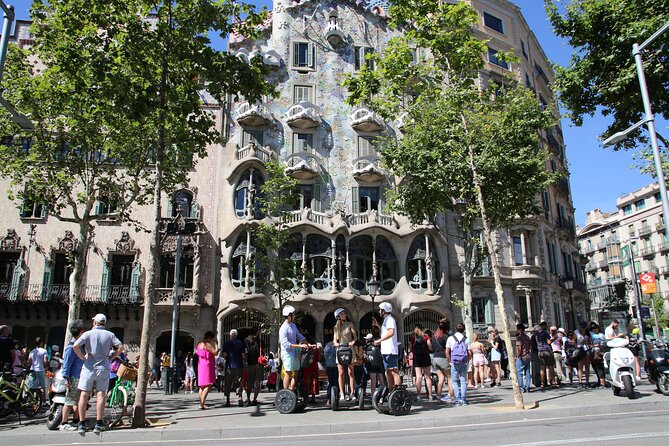
Casa Batlló is one of Gaudí’s most recognizable creations. Its flowing stonework, mask-like balconies, and colorful surface make it easy to identify even during a short stop. The tour lets you see the exterior without joining the entry line or buying a ticket. That is useful if you are already planning another paid visit, or if you simply want the landmark without adding another admission to your Barcelona budget.
La Pedrera, officially Casa Milà, is another essential exterior. Its undulating stone façade and unusual rooftop silhouette show Gaudí working on a much larger residential building. The five-minute stop is enough for a first impression, but not enough for the roof, courtyards, or interior exhibitions. Admission is separate.
Casa de les Punxes, Casa Comalat, and Casa Fuster
Casa de les Punxes extends the Modernist story beyond Gaudí. Its pointed towers give it a castle-like outline, and it is easy to spot from the street. The building charges for entry, but the tour only promises the exterior.
Casa Comalat is a more unusual stop. It is less famous than Casa Batlló or La Pedrera, which is exactly why it adds interest. You get a look at another decorative Modernist façade and a reminder that Barcelona’s architectural identity was shaped by many designers, not one celebrated name.
The final stop is Hotel Casa Fuster, at the upper end of Passeig de Gràcia. This building is associated with Domènech i Montaner and provides a graceful finish to the architectural sequence. Entry is not included, and the stop is short, but it rounds out the comparison between Gaudí and his contemporaries.
The tour returns to the original meeting point. That makes planning easier, especially if you have a restaurant reservation or another activity afterward.
The guide makes the difference
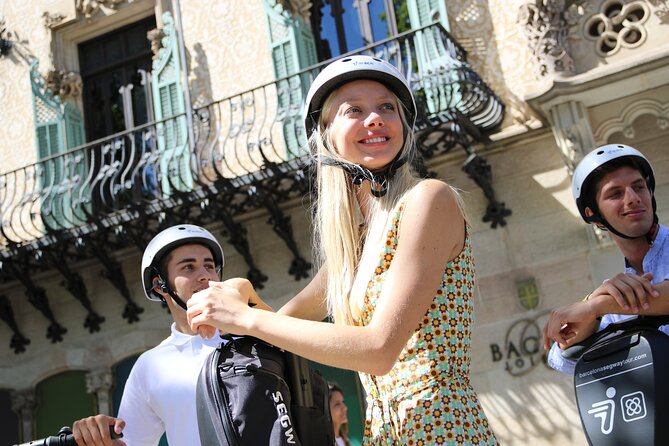
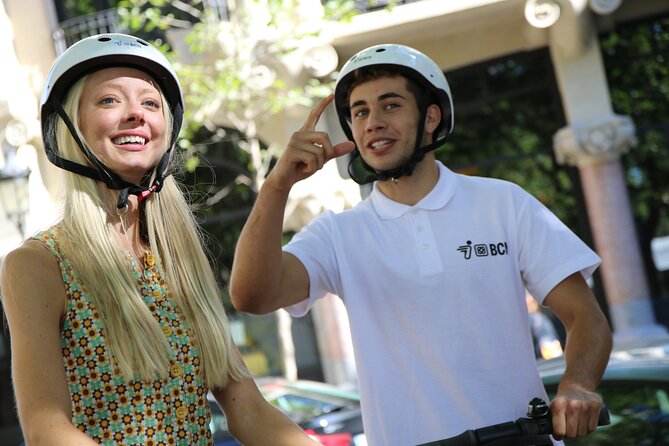
The route has many stops, but the guide controls how useful they become. Etienne was praised for sharing history and making room for photo stops. Sophie received strong praise for making the ride fun for a family and allowing time to learn. Arnau was noted for explaining architectural ideas along with personal details.
Those names give you a sense of the best version of this outing: a guide who explains what you are looking at, watches the road, and leaves room for photographs. The guide is not simply leading a convoy from one address to the next.
The language offered is English. The tour includes a local guide, helmet, insurance, water, and use of a Segway or e-bike, based on the selected option. A private tour should give you more control over the pace, while a group outing usually offers the lower-cost choice. The maximum group size is 20, so the experience may feel more social than intimate if the tour is full.
Safety, comfort, and equipment
You need to step on and off the Segway without assistance. The requirement is similar to using stairs, but balancing while moving is a separate skill. Recent surgery is listed as a reason not to participate, and the recommended weight range is approximately 45 to 120 kilograms.
Do not treat the first few minutes as a formality. Ask the guide to demonstrate braking, turning, and handling bumps or curbs before you leave. One rider described two falls in the road and felt the instruction was inadequate. That is a serious warning, even though other riders found the briefing professional and the machines easy to learn.
Equipment condition also deserves attention. One positive account still called for better maintenance and cleanliness. Before setting off, check your helmet and vehicle, and speak up if something feels loose or poorly maintained.
Service animals are allowed, and the meeting point is near public transportation. Most people can participate if they meet the age, weight, and mobility requirements. The official minimum age is 16, so do not rely on a family account involving younger children as permission to book.
Who gets the best value from this outing
I would choose this tour if you have limited time in Barcelona and want a guided introduction to several Modernist districts. It is also a good fit if long walks are not appealing but you still want to see how the landmarks connect.
It suits first-time visitors who need orientation, architecture fans who want to compare different designers, and families with older teenagers. The e-bike option may be worth considering if balancing on a Segway does not sound comfortable.
I would skip it if your main goal is detailed interior visits. The stops are short, and admission is not included. I would also skip it if you are uneasy around traffic, curbs, or two-wheeled and self-balancing equipment. In that case, a walking tour or regular vehicle tour may be a better match.
Should you book the Barcelona Gaudí Segway Tour?
Book it if you want a fast, open-air survey of Barcelona’s Modernist architecture and you are comfortable learning a Segway. The route covers far more than the usual Gaudí trio, and the guide can add useful context to buildings you might otherwise pass without noticing.
Choose a private option if you want a slower pace or more control over photo stops. Choose the group version if price matters and you are happy to ride with others. Set aside time later for any interiors you care about, especially Sagrada Família, Casa Batlló, La Pedrera, Casa Vicens, or Hospital de Sant Pau.
This is a strong sightseeing shortcut, not a complete Gaudí study. Go in expecting exterior views, short stops, and a little practice at the start. With careful instruction and sensible riding, it offers a practical way to connect Barcelona’s architectural highlights in one outing.
FAQ
How long does the Barcelona Gaudí Segway Tour last?
The tour lasts approximately 2 hours and 30 minutes.
How much does the tour cost?
The listed price is $47.07 per person.
Where does the tour start?
It starts at Passeig de Lluís Companys, 10, Ciutat Vella, 08018 Barcelona, Spain.
Where does the tour end?
The activity ends back at the meeting point.
Is the tour offered in English?
Yes. English is the listed tour language.
What is included in the price?
The tour includes a local guide, helmet, insurance, bottled water, and use of a Segway or e-bike, depending on the option selected.
Are attraction entry fees included?
No. Admission is not included at the paid stops, including Sagrada Família, Casa Batlló, La Pedrera, Casa Vicens, and Hospital de Sant Pau.
How old must I be to join?
Participants must be at least 16 years old.
Do I need previous Segway experience?
Previous experience is not listed as a requirement, but you must be able to step on and off the Segway without assistance. This is similar to climbing and descending stairs.
Can I cancel for a full refund?
Yes, if you cancel at least 24 hours before the experience start time. Cancellations or changes made less than 24 hours before the start time are not refunded.
More Gaudí Tours in Barcelona
- Barcelona: Park Güell and Gaudí House Museum Entry Ticket
★ 4.5 · 6,326 reviews - Barcelona: Gaudi’s Casa Vicens Skip-the-Line Entrance Ticket
★ 4.7 · 4,541 reviews - Barcelona: Gaudí’s Park Güell Tour with Fast-Track Ticket
★ 4.8 · 4,512 reviews - Sagrada Familia & Gaudi Tour Private or Small Group with Tickets
★ 4.5 · 1,188 reviews
New to the itinerary around Barcelona
- Roman & Gotic & Gaudi in Barcelona: private walking tour★ 4.5 · 2 reviews
- Visit to the Modernist houses of the Americans★ 5.0 · 2 reviews
- Barcelona Gaudi Tour: Sagrada Familia, Casa Batllo & Casa Mila★ 5.0 · 4 reviews
- Barcelona Street Escape: Gaudi and the Hidden Treasure★ 5.0 · 17 reviews
- Gaudí & Catalan Modernism Private Walking Tour★ 5.0 · 11 reviews
- Self-Guided Audio Tour-The Surrealist Barcelona of Dalí and Gaudí★ 3.5 · 8 reviews
- Gaudí and Barcelona Legends – Private Tour★ 5.0 · 4 reviews
- Gaudi’s Casa Batlló and La Pedrera with Chocolate Tasting★ 5.0 · 5 reviews
Gaudí Tours, compared.

Park Güell and Gaudí House Museum Entry Ticket
Read our review →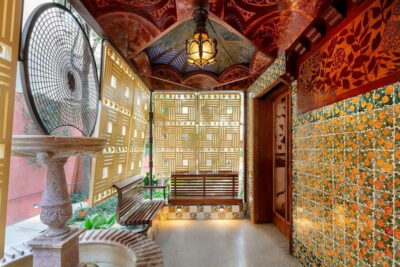
Gaudi’s Casa Vicens Skip-the-Line Entrance Ticket
Read our review →
Gaudí’s Park Güell Tour with Fast-Track Ticket
Read our review →
Sagrada Familia & Gaudi Tour Private or Small Group with Tickets
Read our review →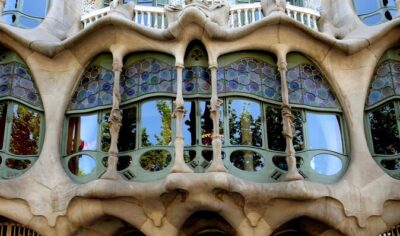
Complete Gaudi Tour: Casa Batllo, Park Guell & Sagrada Familia
Read our review →
Park Güell: Guided Tour with Optional Gaudí Experience Entry
Read our review →
Barcelona e-Bike Tour: Gaudí & Old Town Small Group
Read our review →