
Review · VIETNAM
Coffee, History, and Architecture of the French Quarter
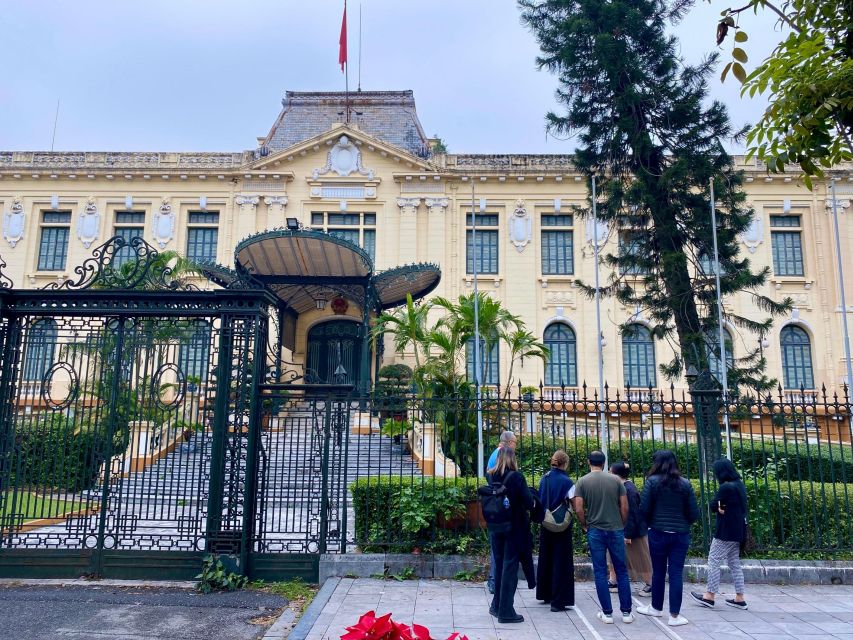
Hanoi’s French Quarter makes the most sense when someone connects the grand buildings to the people and politics behind them. This 2.5-hour walk does that over coffee in an old French villa, then moves past St. Joseph’s Cathedral, the Opera House, Hoan Kiem Lake, the Metropole, and Trang Tien Street.
I like the conversation-first teaching style, which leaves room for questions instead of forcing you through a speech. I also like the small food touches: Vietnamese coffee, including egg or coconut coffee depending on the stop, and famous Trang Tien ice cream.
The main consideration is the weather. You walk outdoors in Hanoi, rain or shine, and the route has several 15-minute sightseeing stops. Bring sunscreen, a hat, breathable clothing, comfortable shoes, and rain protection when the forecast calls for it.
Key points to know before you book
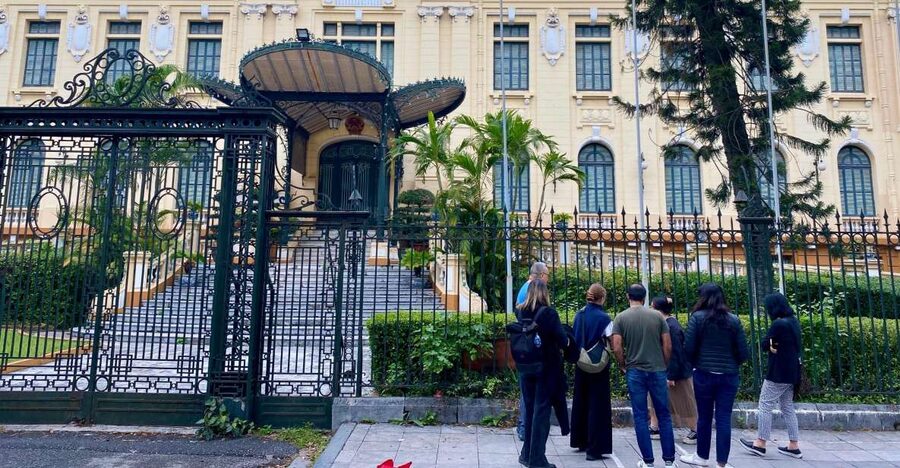
- Start with coffee in a French villa: The opening cup gives you a relaxed introduction to Vietnamese history before the walking begins.
- Follow French influence through real city landmarks: St. Joseph’s Cathedral, the Opera House, the Metropole, the Post Office, and Trang Tien Street each show a different side of Hanoi’s colonial past.
- Expect more than architecture: The guide explains French rule, changing Vietnamese society, and the Vietnam War in plain, conversational English.
- Try two local favorites: Coffee and Trang Tien ice cream are included in the $31 price.
- Ask plenty of questions: Guides such as Mina and Dung are praised for clear English, humor, patience, and useful Hanoi advice.
- Plan for a city walk, not a museum visit: Most stops are viewed from outside, so this suits you if you want context and orientation rather than indoor admission visits.
Why this French Quarter walk works
Hanoi’s French Quarter is easy to admire and easy to misunderstand. You see broad streets, pale colonial façades, grand public buildings, and old hotels, but the architecture alone does not explain how Hanoi changed under French rule or how Vietnamese culture adapted, resisted, and carried on.
This tour uses the district as a classroom without turning it into a classroom lecture. The guide begins with a general introduction to Vietnamese history, then narrows the focus to French influence, daily life, architecture, and the Vietnam War. You get a connected story rather than a string of disconnected photo stops.
That approach is the tour’s strongest feature. Mina is frequently praised for explaining difficult subjects in clear English, using photos on her phone to show historical events and helping you connect past scenes with the buildings in front of you. Dung is also noted for her enthusiasm and warm welcome. Guides may vary, but the experience is designed around a local person who talks with you, not at you.
The group size can be small, which matters in a walking tour. You can hear the guide, ask questions, and adjust the conversation toward architecture, food, history, or present-day Hanoi. It also makes the pace feel less like a marching tour.
More facades, interiors and skylines to see around the world:
- Chicago Architecture River Cruise
★ 5.0 · 15,756 reviews - Chicago River 90-Minute Architecture Tour
★ 4.5 · 9,629 reviews - Chicago River: 1.5-Hour Guided Architecture Cruise
★ 4.8 · 8,046 reviews
Coffee in a French villa at 6 Au Trieu
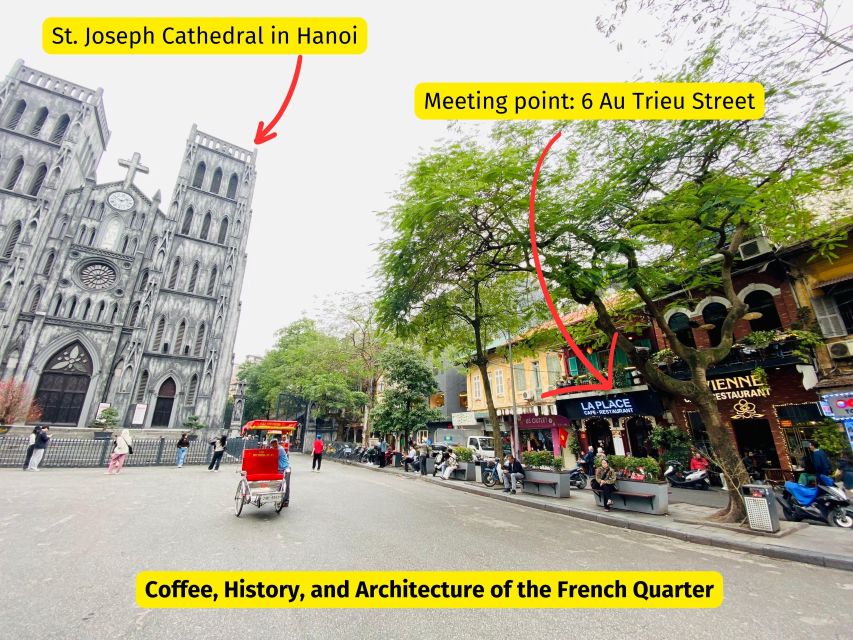
Meet at 6 Au Trieu Street, right beside St. Joseph’s Cathedral. This is a useful starting point because the cathedral is one of the easiest landmarks in central Hanoi to recognize.
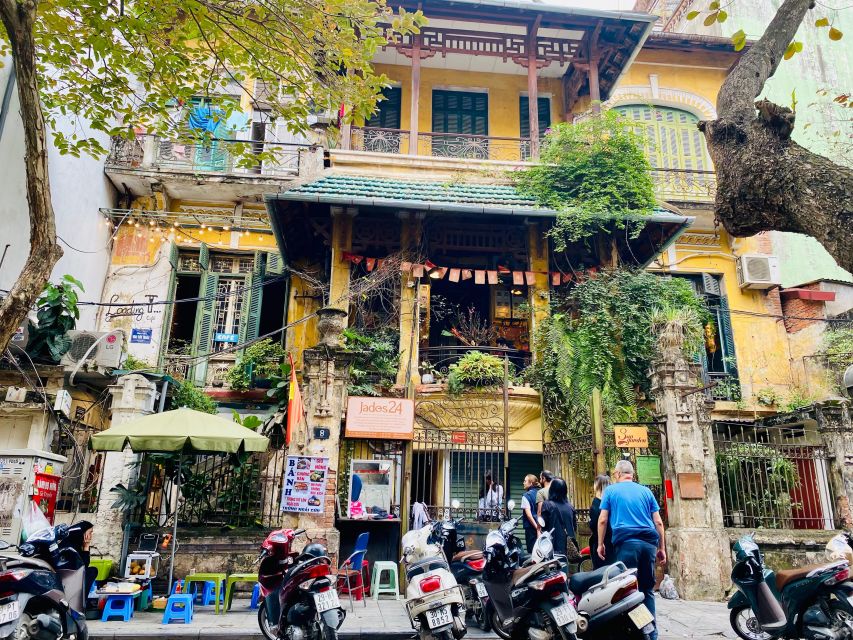
The first substantial stop is a local café in an old French villa. Here, the guide gives you a general introduction to Vietnamese history while you drink Vietnamese coffee or tea. Depending on the guide and café choice, you may try egg coffee or coconut coffee, both of which have become closely associated with Hanoi’s café culture.
I like beginning this way. You get seated, oriented, and introduced to the country before you start walking. Coffee also gives the guide a natural way to discuss French influence. Vietnam’s modern coffee culture did not develop in isolation, and the drink offers a simple, everyday entry into a much larger story about colonial contact and local adaptation.
This is not a fancy tasting session. The point is to enjoy a local drink while asking questions and getting the historical framework for the rest of the route. If you want a formal coffee workshop, this is not that. If you want to understand Hanoi while sitting in a characterful old building, it works well.
St. Joseph’s Cathedral and the first look at French Hanoi
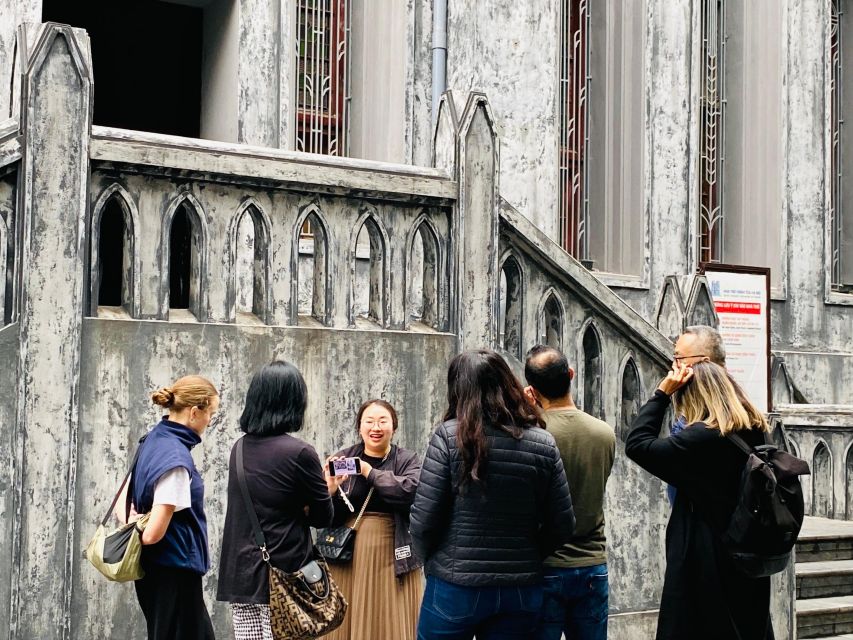
St. Joseph’s Cathedral is both a photo stop and a useful example of how French religious architecture entered the city. The tour gives you time to look at the building, hear about its place in Hanoi, and ask how colonial institutions affected Vietnamese society.
The stop is listed at about 15 minutes, so expect a focused explanation rather than an interior visit or a long architectural study. That is enough time to take in the façade and set the scene, but you should not book this expecting extensive access to every building along the route.
Starting beside the cathedral also gives the walk a clear sense of direction. You move from the area around Au Trieu toward the broader French Quarter, where government buildings, hotels, cultural institutions, and commercial streets reveal different parts of the colonial city.
The guide’s use of old photos is especially helpful here. A building can look impressive without telling you how the street functioned in another era. Historical images help turn a handsome façade into part of a changing city.
Walking through the French Quarter
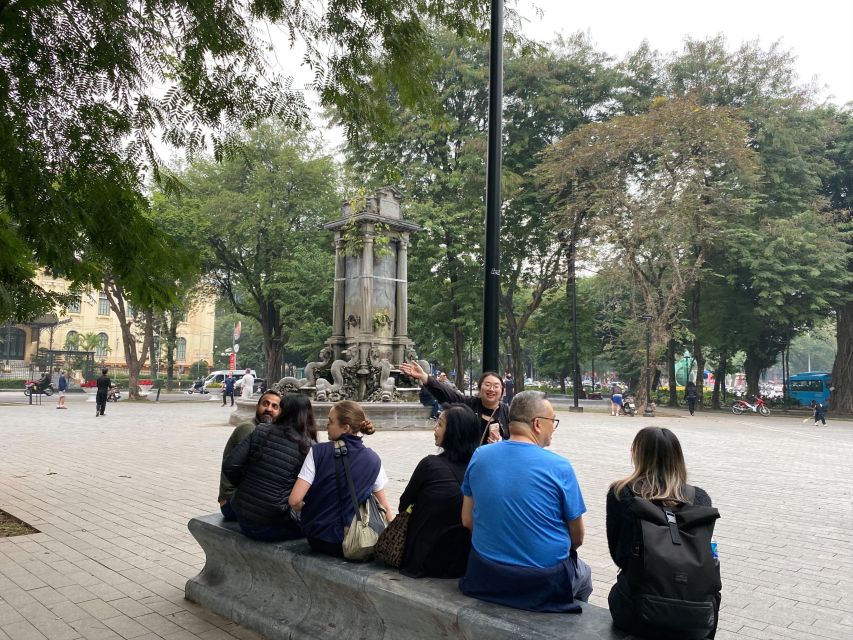
The French Quarter is not one single monument. It is a collection of streets and buildings shaped by several periods, and the guide helps you read them as a group.
You will see more than 15 notable sights during the experience, with the exact emphasis shaped by the guide and the questions from your group. The walk includes the Hanoi Post Office, Trang Tien Street, and other architectural features beyond the main named stops.
This part suits you if you enjoy looking up. Notice the scale of the streets, the formal façades, and the contrast between large colonial buildings and the life moving around them today. The tour is not only about what the French built. It also addresses what French rule meant for Vietnamese society, including both the changes that came with it and the costs.
That balance matters. A tour of colonial architecture can easily become a parade of pretty buildings. Here, the guide is expected to discuss the political period as well as the design. Mina is praised for combining historical events with architectural detail and for keeping the tone humorous without making serious subjects feel trivial.
You should also expect some traffic, heat, and ordinary city noise. This is central Hanoi, not a quiet heritage park. Comfortable footwear matters more than fashion, and breathable clothing will make the experience easier.
More History Walks around the world:
- Chicago in a Day: Food, History & Architecture Walking Tour
★ 5.0 · 1,153 reviews - Charleston’s Best Highlights: History, Culture & Architecture
★ 5.0 · 422 reviews - Palm Springs Modernism Architecture & History Bike Tour
★ 5.0 · 359 reviews - Charleston: History and Architecture Guided Walking Tour
★ 4.8 · 349 reviews
Hanoi Opera House and the city’s public image
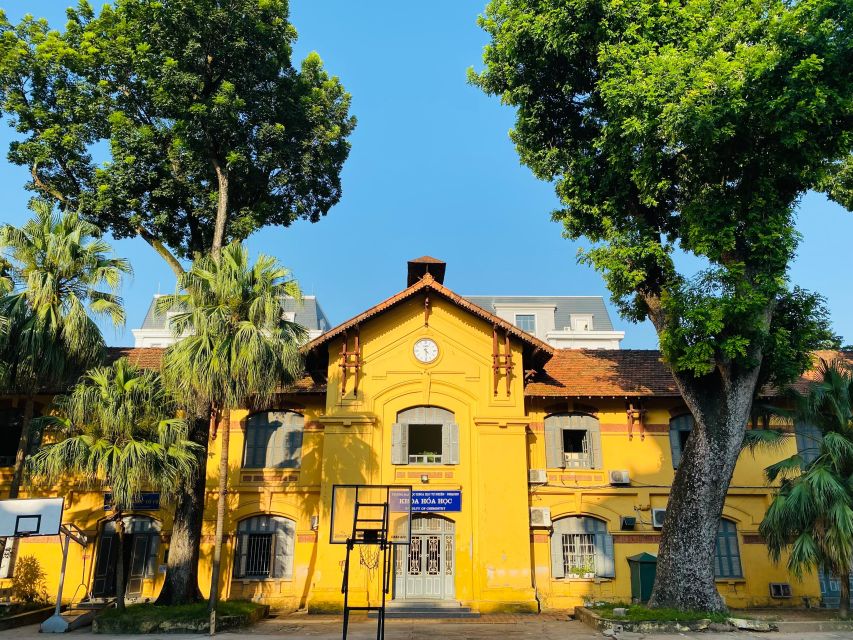
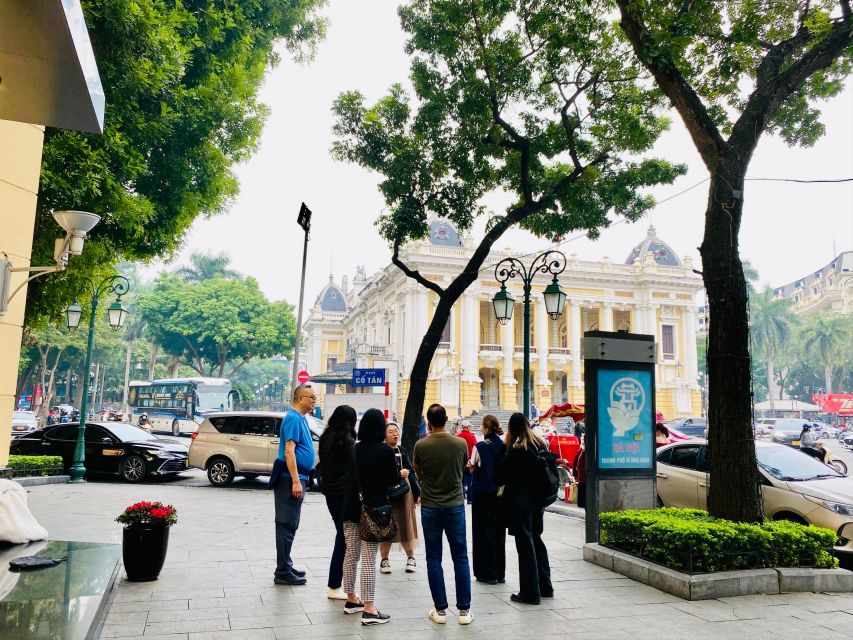
The Hanoi Opera House is one of the route’s major architectural stops. Its scale and formal design show how colonial authorities used public buildings to project power and status.
The guide explains what you are seeing rather than simply handing you a building name. You may discuss the role of the Opera House, the French presence in Hanoi, and how such structures fit into the wider city.
Again, the stop lasts around 15 minutes. You should expect to view the exterior and hear the story from the street. The experience does not promise an indoor performance or a full architectural tour, so keep your expectations focused on interpretation and city orientation.
For photographers, this is one of the stronger stops. For history-minded visitors, it is useful because it shows how architecture can serve political purposes. The building is attractive, but the explanation gives you a reason to remember it.
Hoan Kiem Lake and Hanoi’s changing center
The walk continues to Hoan Kiem Lake, one of Hanoi’s best-known public spaces. Here, the subject shifts from formal colonial buildings to the city as a place where residents gather, move, and live.
The lake helps break up the architecture-heavy portion of the tour. You get an open stretch, a chance to pause, and a different view of central Hanoi. The guide uses the stop to connect the French Quarter with the wider city and its modern life.
This is also where the relaxed format proves useful. You can ask about local customs, food, pronunciation, or present-day Hanoi. Several guides have offered restaurant suggestions, including advice on banh mi and hotpot, along with tips for the rest of a visit.
Do not expect a long rest period unless the group naturally takes one. The stop is part of a moving walking route, and the full experience remains fairly active. If you have limited mobility or tire easily, mention your needs when arranging the tour. Free admission is available for people assisting guests with disabilities, but the activity still takes place on city streets.
The Metropole and stories of wartime Hanoi
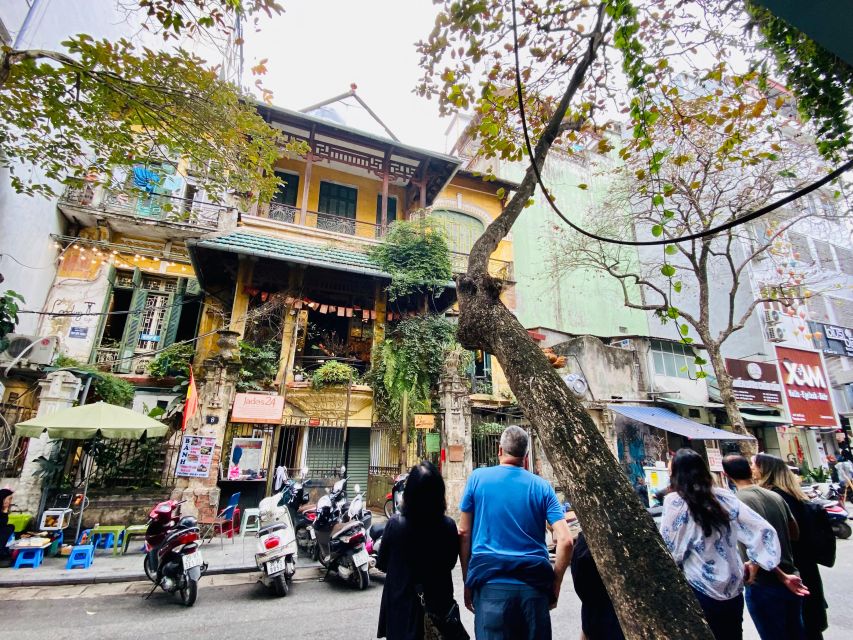
The Sofitel Legend Metropole Hanoi adds another layer to the walk. This famous hotel represents the grand side of colonial Hanoi, but the guide also uses the wider area to discuss the Vietnam War and the city’s turbulent modern period.
This is one of the places where the historical photos can help. Seeing an old image while standing near a landmark makes the past feel less abstract. The guide may use photos to explain events and show how Hanoi looked during earlier periods.
The tour does not promise entry into the hotel or a visit to every wartime site. Instead, you receive context while viewing the area from the route. If your main goal is war history, you may want to add Hoa Lo Prison Museum separately. One guide has recommended it as a useful follow-up for visitors who want more detail.
The strength here is proportion. The tour gives you a clear introduction without trying to cover every chapter of Vietnamese history. It is a good first orientation, especially if you plan to visit other museums or historic sites afterward.
Trang Tien Street and the ice cream finish

Trang Tien Street brings architecture, shopping, and food together. It is also where you enjoy Trang Tien ice cream, a well-known local treat included in the price.
This is a smart ending for a walking tour. After several historical stops, you get a cool snack, seating, and access to a restroom. The break gives you time to reset before continuing or heading off for your next Hanoi plan.
The ice cream is not merely a bonus dessert. It gives the route a small connection to everyday local culture. You have seen official buildings and colonial institutions, then finish with a familiar Hanoi food stop that feels less formal and more connected to ordinary city life.
Dietary needs and energy levels can sometimes be accommodated, according to the experience details. Still, tell the guide early if you have restrictions or need a slower pace. Do not assume every request can be handled automatically.
What the $31 price gets you
At $31 per person, the value depends on how much you want interpretation. You are paying for a 2.5-hour English-language walking experience, a guide, Vietnamese coffee or tea in a French villa, and Trang Tien ice cream.
The included food and drinks soften the cost, but they are not the main reason to book. Coffee and ice cream alone would not justify the price. The value comes from having someone explain the connection between buildings, French rule, Vietnamese society, the Vietnam War, and modern Hanoi.
I would consider it good value for a first or second day in Hanoi, especially if you like history but do not want a dry lecture. You also gain a useful map of the French Quarter, which can help you decide where to return on your own.
The price is less attractive if you prefer to walk independently, read background information beforehand, and stop only at places you can enter. Many sights are viewed from outside, and the tour moves at a group pace.
Timing, weather, and practical comfort
The activity lasts about 2.5 hours, though one detailed account describes a tour closer to three hours. Allow some flexibility rather than scheduling a tight appointment immediately afterward.
The walk operates rain or shine. Hanoi’s weather can make a major difference, so check the forecast the day before. Bring an umbrella or raincoat if needed, along with sunscreen, a hat, water if you prefer your own supply, and comfortable shoes.
Breathable clothing is a good idea. You will be outdoors, crossing city streets, standing during explanations, and walking between stops. The route is not presented as strenuous, but heat, humidity, traffic, and uneven urban surfaces can make a short city walk feel longer.
Cancellation is flexible up to 24 hours before the activity for a full refund, and you can reserve now and pay later. These policies help if your Hanoi plans are still shifting, but the practical issue remains the weather and your willingness to walk.
Who will enjoy this experience most
I would choose this tour if you want a clear introduction to Hanoi’s French Quarter and prefer stories over silent sightseeing. It suits history fans, architecture lovers, first-time visitors, couples, families with older children, and anyone who likes asking a local guide direct questions.
It is also a good match if you want food included without making the tour mainly about eating. The coffee and ice cream are small but well-placed parts of the route.
You may want something else if you need extensive indoor visits, a private vehicle, or a highly formal lecture. This is a street-level experience. It is conversational, lightly humorous, and shaped by the group.
Guides such as Mina are praised for clear English, humor, patience, and the ability to personalize the discussion. Dung is noted for her enthusiasm and welcoming manner. Since guides can vary, the exact tone may differ, but the advertised format remains English, local, and question-friendly.
Should you book the French Quarter walk?
Book it if you want Hanoi’s grand colonial buildings explained in their political and social setting, with good coffee and ice cream along the way. The strongest reason to go is the guide’s storytelling, especially if you choose to ask questions and connect the stops to your own interests.
Skip it if you want a long indoor architecture tour or a purely independent stroll. For most visitors, though, the $31 price buys a useful first layer of understanding, a pleasant walk through central Hanoi, and enough local advice to improve the rest of your stay.
FAQ
Where does the tour start?
The meeting point is 6 Au Trieu Street, right beside St. Joseph’s Cathedral in Hanoi.
How long does the experience last?
The stated duration is 2.5 hours. One detailed tour account describes an experience closer to three hours, so allow extra time if you have another appointment afterward.
What language is the tour conducted in?
The live tour guide speaks English.
Are coffee and ice cream included?
Yes. You receive a cup of Vietnamese coffee or tea in a French villa, and Trang Tien ice cream is also included.
Which places does the walk visit?
The route includes St. Joseph’s Cathedral, a local café, the French Quarter, Hanoi Opera House, Hoan Kiem Lake, Sofitel Legend Metropole Hanoi, Trang Tien Street, Hanoi Post Office, and other French Quarter sights.
What should I bring?
Bring sunscreen, breathable clothing, a hat, and comfortable shoes. The tour operates in rain, so bring an umbrella or raincoat if the forecast requires it.
Can I cancel the booking?
You can cancel up to 24 hours in advance for a full refund. You can also reserve the activity and pay later.
New to the itinerary around the world
- Washington, DC: Georgetown Architecture Walking Tour★ 5.0 · 8 reviews
- Wilmington History and Architecture Tour★ 4.8 · 18 reviews
- Walk & Discover KL’s Architectural and Heritage Gems★ 5.0 · 7 reviews
- Washington DC: Dupont Circle & Embassy Row Architecture Tour★ 5.0 · 6 reviews
- New Orleans : Garden District Architecture Walking tour★ 4.8 · 5 reviews
- Unveiling Brno: History, Culture & Architectural Delights★ 5.0 · 2 reviews
- Vicenza: Palladian Architecture Private Walking Tour★ 3.3 · 3 reviews
- Private Colonial Williamsburg Architectural Tour★ 5.0 · 5 reviews