Review · AUSTRALIA
Sydney Opera House Architectural Tour
The most fascinating part of this tour is not simply seeing the Sydney Opera House. It is learning how an audacious Danish design became a real building, despite fierce political arguments, difficult engineering, changing plans, and years of construction. Guides such as Peter, who worked with architect Peter Hall, have brought rare first-hand insight to the story.
I like the technical detail and the chance to understand the building from both inside and outside. I also like the small group size advertised for the tour, though some departures have been larger, with headphones used to keep the guide clear.
The main drawback is physical: this is a walking tour with up to 300 or more stairs, and late arrivals cannot join. You need to reach the Welcome Centre 15 minutes early, not wander in at the last second.
Key points at a glance
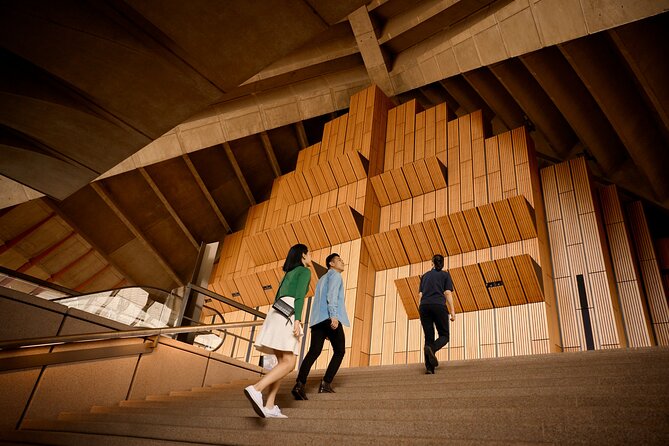
- A building story, not just a photo stop: Follow the Opera House from design competition to construction and later use.
- Utzon’s daring idea: See how a mid-1950s proposal from Denmark changed Sydney and the wider course of modern architecture.
- Architecture and politics together: The tour explains professional disputes, political pressure, and cultural needs alongside design decisions.
- Practical engineering details: Learn about materials, construction problems, maintenance, and the solutions that made the unusual form possible.
- Access beyond the exterior: The route includes interior and exterior areas, with the Great Hall available when venue operations allow.
- Plan for stairs and punctuality: The route can include 300 or more stairs, and arriving more than five minutes after departure means forfeiting the tour.
Why the Sydney Opera House needs more than a photograph
From the harbour, the Opera House looks almost effortless. Its white shells appear to float above the water, as if someone sketched them in one confident stroke. The reality was far less tidy.
This architectural tour gives you the back story behind that famous shape. In the mid-1950s, Australia selected the Danish architect Jørn Utzon to create a performing arts centre on Sydney Harbour. His design was bold enough to change how people thought about large public buildings, but turning the idea into stone, tile, concrete, and working theatres took years of trial and argument.
That makes this a useful tour even if you are not an architect. You do not need to know architectural terms before arriving. The guide explains how the concept changed during construction, why the engineering was so hard, and how practical concerns affected the finished building.
I especially like that the tour treats the Opera House as a human project. Visionaries supplied the dream, but engineers, artists, builders, politicians, and administrators had to make it function. You get the triumph, but also the conflict and compromise.
More Architecture Tours around the world:
- Chicago Architecture River Cruise
★ 5.0 · 15,756 reviews - Chicago River 90-Minute Architecture Tour
★ 4.5 · 9,629 reviews - Chicago River: 1.5-Hour Guided Architecture Cruise
★ 4.8 · 8,046 reviews
The 75-minute route through the Opera House
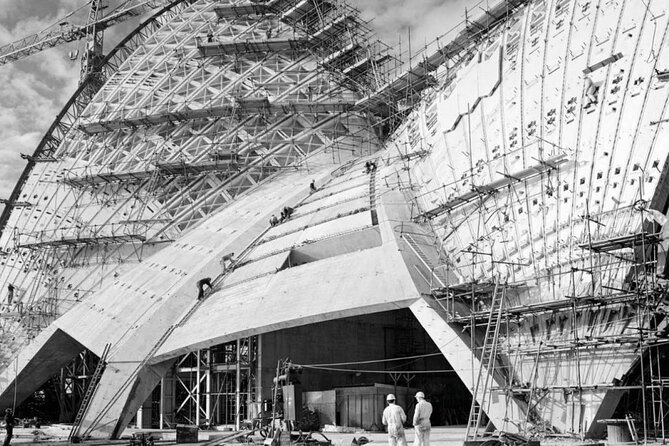
The experience focuses on the Sydney Opera House itself. There is one main stop, but it is not a quick look at a single room. The tour moves through relevant interior and exterior areas while the guide explains the building’s design, construction, history, and use.
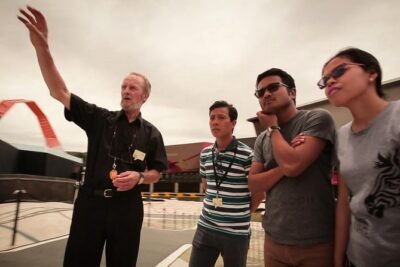
You can expect a steady walking pace and a spoken explanation throughout. Some departures use personal headsets, which makes a real difference when you are standing behind the guide or have difficulty hearing. One guide, Peter, has been described as an architect who worked with Peter Hall, the architect responsible for much of the interior. Another guide, Gaston, has also led the tour with a clear, detailed approach.
Guide assignments can change, so do not book solely on the promise of one particular person. Still, the experience is designed around specialist interpretation rather than a basic orientation talk.
The advertised maximum is nine people, which would be an excellent size for questions and close listening. Actual group sizes can vary. Some departures have been considerably larger, with one group reported at around 35 people. In that case, headphones helped the guide remain audible, although a larger group can make the movement between spaces feel less personal.
Jørn Utzon’s design and the great gamble
The tour begins with the central question: how did a competition entry that looked almost impossible become one of the world’s best-known buildings?
Jørn Utzon’s proposal was unlike the conventional concert halls and opera theatres of its time. Its sweeping roof forms gave the building a sculptural quality, but a sculpture does not have to meet the same demands as a working performance venue. The roof needed to be engineered, supported, covered, maintained, and built to repeatable measurements.
The guide connects the design to the period in which it was chosen. Australia wanted a major cultural building, and Sydney wanted a landmark worthy of its harbour. Utzon brought a fresh outside view from Denmark. The combination produced something that was not merely a larger version of an existing theatre.
This part of the tour is valuable because it explains why the design mattered beyond Sydney. The building changed the image of Australia and helped push twentieth-century architecture toward more expressive forms. You begin to see the Opera House not as an isolated oddity, but as a turning point in how public buildings could look.
Turning curved shells into a real building
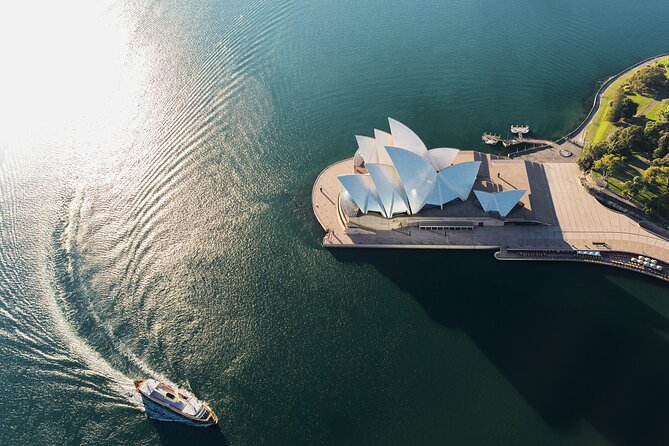
The engineering story is the strongest reason to choose this experience over a standard sightseeing visit. The Opera House is famous for its roof, yet the important question is how those curves were made repeatable and stable.
You learn about the difficult path from concept to construction, including the materials used and the methods developed to handle the building’s unusual forms. The explanation also covers how the structure is maintained today. That last point matters: the Opera House is not a finished sculpture frozen in time. It is a working building that requires ongoing care.
The technical content is presented as part of a wider story, not as a string of measurements. You hear how design decisions affected construction, how construction problems affected plans, and how the final building reflects more than Utzon’s original vision.
If you enjoy architecture, engineering, or design, this is likely the heart of the tour. If those subjects usually make your eyes glaze over, the political and personal conflicts should give the story enough drama to hold your attention. The building was shaped by professional disagreements and practical pressures as much as by artistic ambition.
Same streets, read through a different style:
- Barcelona: Park Güell and Gaudí House Museum Entry Ticket
★ 4.5 · 6,326 reviews - Chicago Architecture Center River Cruise aboard First Lady
★ 5.0 · 5,536 reviews - Barcelona: Gaudi’s Casa Vicens Skip-the-Line Entrance Ticket
★ 4.7 · 4,541 reviews - Barcelona: Gaudí’s Park Güell Tour with Fast-Track Ticket
★ 4.8 · 4,512 reviews
Inside the Great Hall and other interior spaces
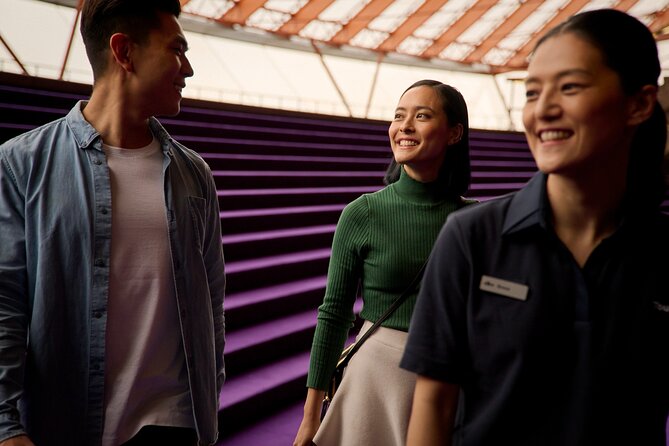
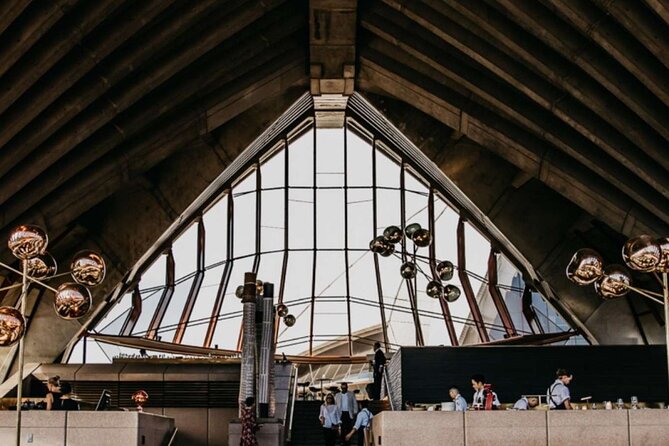
A major advantage is the chance to go inside the Opera House instead of viewing it only from the harbour promenade. The route includes interior and exterior areas, and the Great Hall may be part of the experience when the venue schedule permits.
The Great Hall gives the tour an important sense of scale. It helps you connect the outside silhouette with the building’s purpose as a place for performance. You are not just hearing how the Opera House looks. You are considering how its interior spaces were planned for sound, audiences, performers, movement, and daily use.
Access is not guaranteed. Venue operations can change, sometimes right up to departure time, so you should treat specific room access as subject to availability. That is a fair limitation for a working cultural venue, but it is worth knowing before you book. The tour is not a promise that every famous room will be open on every departure.
The interior also gives the guide a chance to discuss Peter Hall’s contribution. Utzon’s name dominates the public story, but the finished building involved many other designers and professionals. Hearing about the interior work broadens your understanding of how large architectural projects are actually completed.
The politics, delays, and human arguments
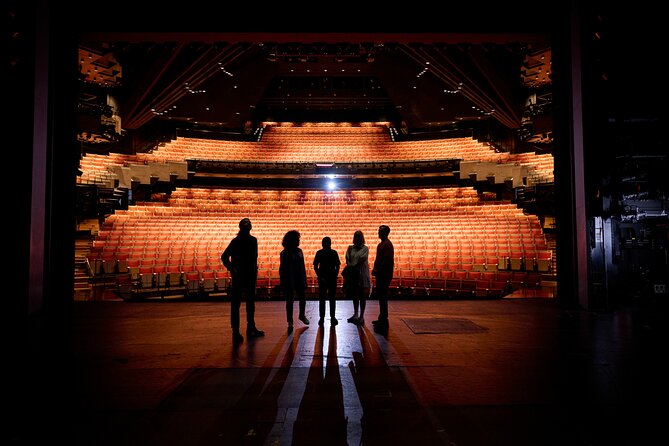
The Opera House has a dramatic history because the design process was not smooth. The tour covers the political and professional conflicts that surrounded the building, including the pressures created by changing expectations and the long construction period.
This is one of the most useful parts for a first-time visitor. Without context, the building can seem like a miracle that simply appeared beside the harbour. With context, you see the cost of ambition. A government project has budgets, deadlines, public scrutiny, and competing ideas about what the building should become.
The guide also explains the relationship between the original concept and the completed building. You should not expect a simple story in which one architect controls every detail from start to finish. The Opera House emerged through a complicated process involving architects, engineers, artists, political figures, and practical decision-makers.
That balance keeps the tour from becoming a worshipful account of one famous designer. Utzon’s vision receives its due, but the people who solved problems and finished the work are part of the story too.
What the guide adds to the experience
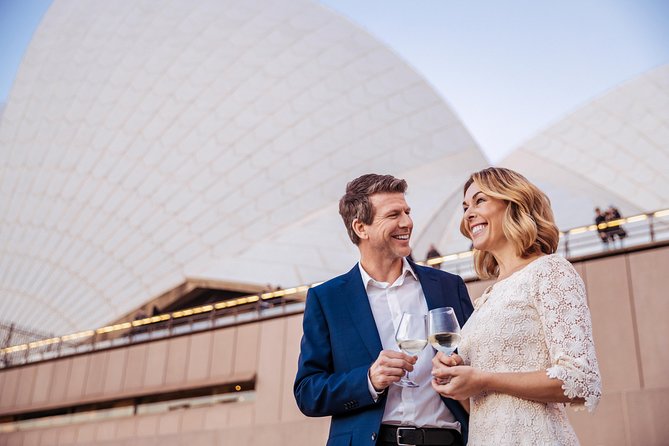
The quality of the explanation matters more here than on a simple photo walk. The building is already impressive. The guide’s job is to help you notice why it works, where it struggled, and what you would miss on your own.
Peter has led particularly detailed architectural tours, drawing on his work with Peter Hall during the Opera House’s later design phase. His background allows him to explain the building from a professional point of view while keeping the subject approachable. Other guides, including Gaston, have also been praised for bringing strong architectural detail and enthusiasm to the presentation.
You will hear about the design process, materials, engineering, construction, political disputes, and the building’s continuing use. A good guide can move between these subjects without losing the thread. Headsets are especially helpful if the group is large or if you are walking a little behind.
One small caution: not every departure may leave much time for questions. The route has a set duration, and one account describes a detailed tour that moved too quickly for extended discussion. If asking questions is central to your visit, stay close to the guide and raise your hand when the group pauses.
Price and value at $43.03
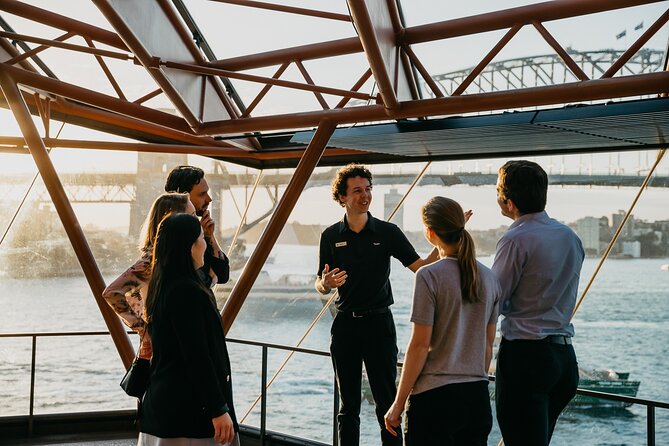
At $43.03 per person, this is not the cheapest way to see the Opera House exterior. You can admire the building from the harbour without paying anything. The value here comes from access, interpretation, and the chance to understand a building that is easy to admire but hard to comprehend from the outside.
The 75-minute length is sensible. It is long enough to cover the major story without taking half a day from your Sydney plans. If you are already paying for a performance, this tour can give you a useful daytime view of the building’s design. If you are not attending a show, it offers a way to experience the Opera House as a cultural building rather than only as a landmark.
I think the price works best for people who enjoy architecture, engineering, design, or city history. It also suits anyone who wants a stronger explanation of why the Opera House matters. If you only want a quick interior peek and a few photographs, the cost may feel high, particularly if your route does not include the Great Hall.
The strong rating, 4.8 from 73 reviews, matches the tour’s main strength: the content is specific and substantial. The 96 percent recommendation figure also suggests that most people find the experience worthwhile, though a larger group or limited question time can affect the feel of a particular departure.
Timing, stairs, and arrival advice
The listed start time is 10:00 am. Arrive at the Welcome Centre 15 minutes before departure for check-in and cloaking procedures. If you are more than five minutes late after the start, the tour is forfeited, and late arrivals cannot join.
That rule is strict for a good reason. This is a guided movement through an operating venue, not a drop-in exhibit. The guide cannot stop the group to collect people who arrive late.
The route can include 300 or more stairs. You should treat that as a serious planning detail, especially if stairs are difficult for you. The tour is described as suitable for most people, but the stair count means it may not suit everyone.
The Opera House is near public transportation, so you can plan to arrive without relying on a car. The ticket is mobile, and booking confirmation is provided at the time of booking. Keep the ticket ready, then allow enough time to find the Welcome Centre and complete the arrival process.
Free cancellation is available if you cancel at least 24 hours before the local start time. Cancellations or changes made within 24 hours are not refunded.
Who should book this architectural tour?
I would choose this tour if you want to understand how the Opera House was built, not just take a photograph of it. It is especially well suited to:
- People interested in architecture, engineering, and design
- Anyone curious about the politics behind major public projects
- Visitors who want to see interior and exterior areas
- People who enjoy detailed guided explanations
- Anyone with enough mobility for a route that may include 300 or more stairs
Families and casual sightseers can also enjoy it, but the amount of technical and historical detail may be more than young children want. The experience is not presented as a quick highlights tour. You need to pay attention and keep moving with the group.
If you have already visited the Opera House, this tour can still add a new layer. The building changes when you understand the compromises behind it, the people who shaped it, and the engineering decisions hidden inside its dramatic curves.
Should you book the Sydney Opera House Architectural Tour?
Yes, if the building itself interests you. The tour explains the Opera House as a work of architecture, engineering, politics, and culture. Its best guides, including Peter and Gaston, have brought strong professional insight, and the use of headsets can make the commentary easy to follow.
Book with realistic expectations. Group size may be larger than the advertised maximum on some departures, access to specific rooms can change, and the route may involve 300 or more stairs. Arrive early, stay near the guide, and do not count on joining after the start time.
For a first visit to Sydney, I consider this a worthwhile use of 75 minutes. The harbour view shows you the icon. This tour helps you understand the extraordinary effort required to make it real.
FAQ
How long is the Sydney Opera House Architectural Tour?
The tour lasts approximately 1 hour and 15 minutes.
What time does the tour start?
The listed start time is 10:00 am.
Where should I meet the tour?
You should go to the Welcome Centre at the Sydney Opera House and arrive 15 minutes before the scheduled start.
Can I join if I arrive late?
No. If you are more than five minutes late after the tour begins, your booking is forfeited, and late arrivals cannot join.
How many stairs are involved?
The walking route can include up to 300 or more stairs.
Is the Great Hall included?
The tour can include access to the Great Hall, but venue access is subject to availability and may change up until departure.
Can I cancel for a full refund?
Yes, if you cancel at least 24 hours before the experience start time. Cancellations or changes made less than 24 hours before departure are not refunded.
New to the itinerary around the world
- Washington, DC: Georgetown Architecture Walking Tour★ 5.0 · 8 reviews
- Wilmington History and Architecture Tour★ 4.8 · 18 reviews
- Washington DC: Dupont Circle & Embassy Row Architecture Tour★ 5.0 · 6 reviews
- New Orleans : Garden District Architecture Walking tour★ 4.8 · 5 reviews
- Walk & Discover KL’s Architectural and Heritage Gems★ 5.0 · 7 reviews
- Unveiling Brno: History, Culture & Architectural Delights★ 5.0 · 2 reviews
- Vicenza: Palladian Architecture Private Walking Tour★ 3.3 · 3 reviews
- Private Colonial Williamsburg Architectural Tour★ 5.0 · 5 reviews
Australia Architecture Tours, compared.