
Review · SWEDEN
Stockholm: Scandinavian Architecture & Design Ostermalm Tour
Stockholm’s design story comes alive on foot, from the mushroom-shaped Svampen meeting point to grand Strandvägen and the National Museum sculpture garden. I like the mix of architecture and everyday Swedish design, especially the food market and shops, and I like that the group is capped at 10 people. The main consideration is pace: three hours covers a lot, but several stops are brief rather than full museum visits.
This is a smart pick if you want Stockholm explained through its façades, shops, theatres, and public spaces instead of only ticking off major sights. Guides named Franky, Olesia, and Ana have led recent departures, with Ana especially praised for helping guests plan the rest of their time in the city.
Key points about Stockholm’s design walk
- Start at Svampen: Meet beneath the rain cover at Stockholm’s famous mushroom-shaped landmark.
- Östermalm Food Market: Spend time among Swedish regional foods, local snacks, and old-market atmosphere.
- Design shops included: Visit two household names, Nordiska Galleriet and Svenskt Tenn.
- A strong architecture route: See Stureplan, Strandvägen, the Royal Dramatic Theatre, Berns, and the Royal Swedish Opera.
- Small English-speaking group: No more than 10 people, with a local guide focused on art history, architecture, and design.
- Finish by the National Museum: The tour ends with the museum’s sculpture garden and waterfront views.
Why this Stockholm walk is different
Many city walks concentrate on medieval lanes, royal buildings, or a short list of postcard sights. This one takes a more modern route through Stockholm’s New City, following the city’s architectural and design development from the 1800s onward.
That makes Östermalm the right setting. The borough is closely tied to Swedish fashion, interiors, architecture, and higher-end shopping. You get polished streets and grand buildings, but also practical design ideas, food traditions, and public spaces used by local people.
I like the way the experience connects big names with ordinary details. You may discuss Ingmar Bergman outside the Royal Dramatic Theatre, then look at how Swedish furniture and interiors are presented in a design shop. The route is not simply about admiring pretty buildings. It asks why Stockholm looks the way it does and how Swedish design became such a strong part of the country’s identity.
The tour costs $44 per person. That is fair value if you want a guide to connect the dots and point out details you could easily miss while walking alone. You are paying for three hours of guided interpretation, a small group, a food-market visit, and entry to two design shops rather than for a series of admission tickets. It is less useful if you prefer to spend long periods inside museums or shop at your own speed.
More Architecture Tours around the world:
- Chicago Architecture River Cruise
★ 5.0 · 15,756 reviews - Chicago River 90-Minute Architecture Tour
★ 4.5 · 9,629 reviews - Chicago River: 1.5-Hour Guided Architecture Cruise
★ 4.8 · 8,046 reviews
Starting beneath the mushroom at Svampen
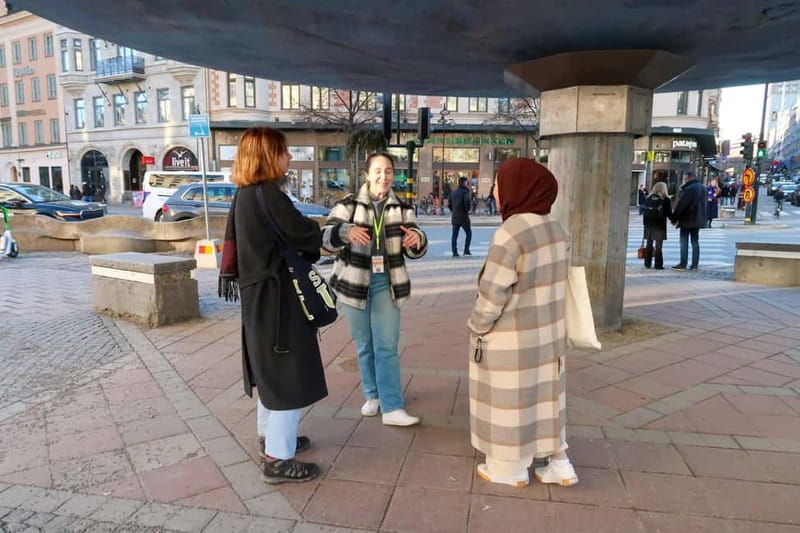
Your meeting point is Svampen, a recognizable mushroom-shaped rain cover at Stureplan. Arrive five to 10 minutes early and look for the guide wearing a neon name-tag lanyard.
This is a practical start in central Östermalm, especially if you are unfamiliar with Stockholm. The meeting point is easy to describe, but the open city setting means you should not wait until the last second. Keep your phone charged, since it may help with directions before and after the walk.
The route is on foot, so wear comfortable shoes. Stockholm weather can change quickly, and the supplied advice is sensible: bring an umbrella, rain gear, sun protection, and clothing suited to the forecast. Large bags and luggage are not allowed, so pack lightly.
Stureplan and the New City’s 1800s story
The first main stop is Stureplan, where you spend about 30 minutes on a guided visit and photo stop. The focus includes Daneliuska Huset, an important architectural feature of this central square.
This opening section sets up the tour’s main idea: Stockholm’s newer city is not one single style. As you move through Östermalm, the guide can show how building design, commerce, fashion, and social life shaped the streets from the 1800s onward.
Stureplan is also a useful place to get your bearings. It is a major urban meeting point, and the tour uses it as a starting frame before moving toward the food hall and the waterfront. You will not simply stop, take a photograph, and move on. The value here is learning what to look for in the façades and how one building relates to the square around it.
Östermalm Food Market in 30 minutes
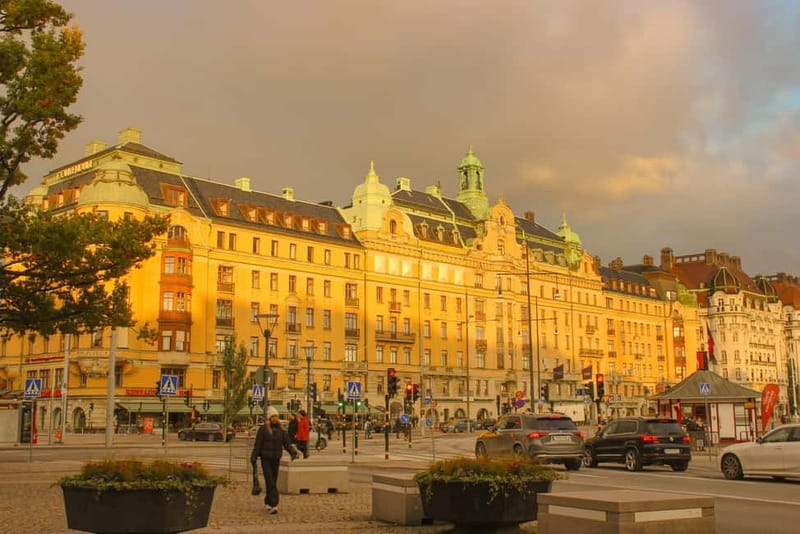
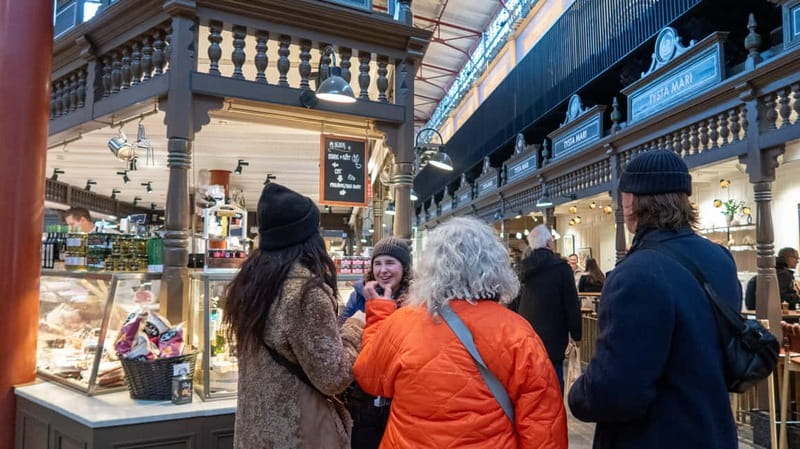
Östermalmshallen, or Östermalm Food Market, gets about 30 minutes. This is one of the most appealing parts of the route because it gives the architecture and design discussion a practical, edible side.
You can look at the market’s interior character, regional foods, and local snacks while hearing about Swedish food traditions. The visit includes time for shopping and a chance to see how food is presented in a polished urban setting.
Do not expect a full meal stop unless you arrange it within the time available. Thirty minutes is enough to look around and sample or buy something, but it is not a leisurely lunch. If you are hungry, plan to make a quick choice rather than assuming there will be time to sit down.
I like this stop because it keeps the tour from becoming a procession of formal buildings. Sweden’s design culture is also visible in markets, packaging, displays, and the way useful spaces are organized.
Same streets, read through a different style:
- Barcelona: Park Güell and Gaudí House Museum Entry Ticket
★ 4.5 · 6,326 reviews - Chicago Architecture Center River Cruise aboard First Lady
★ 5.0 · 5,536 reviews - Barcelona: Gaudi’s Casa Vicens Skip-the-Line Entrance Ticket
★ 4.7 · 4,541 reviews - Barcelona: Gaudí’s Park Güell Tour with Fast-Track Ticket
★ 4.8 · 4,512 reviews
Östermalm’s design shops and Swedish interiors
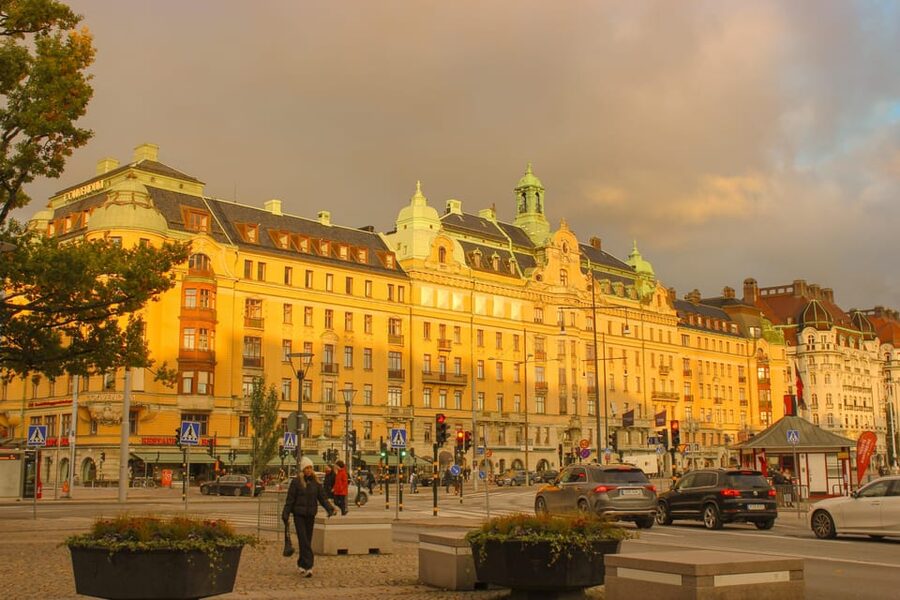
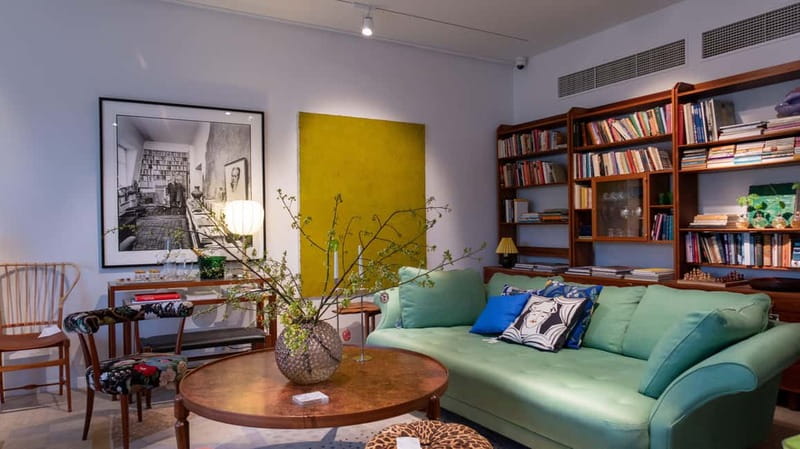
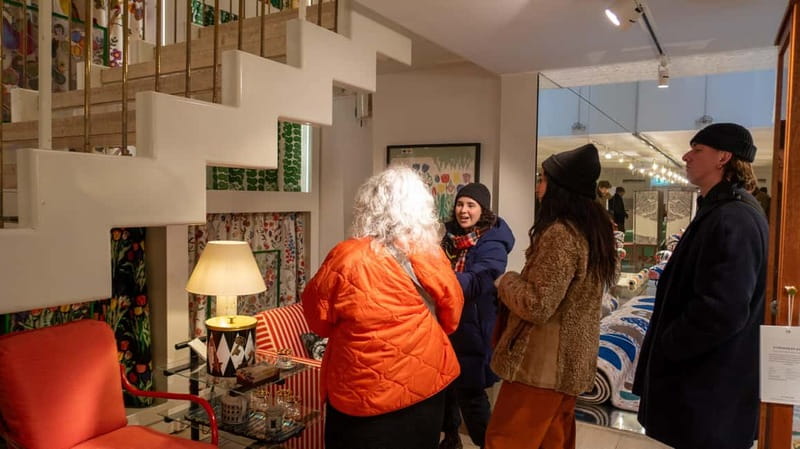
The tour continues through Östermalm for another 30 minutes, with shopping and visits to two design household names. The featured shops are Nordiska Galleriet and Svenskt Tenn.
These are not random retail stops. They help explain why Swedish design is known for clean lines, useful objects, careful materials, and a strong sense of place. You can see how design moves from architecture into furniture, textiles, lighting, and home decoration.
Nordiska Galleriet gives you a look at a major design retail setting, while Svenskt Tenn is tied to a more distinctive Swedish interior tradition. The guide’s role matters here. Without context, a design shop can feel like an expensive showroom. With an art and architecture guide, you can better understand the styles and names behind what you see.
The drawback is simple: shopping tastes differ. If you are not interested in interiors, furniture, or fashion, this portion may feel less engaging than the theatres and public buildings. If you are, it may be the section that turns the tour from sightseeing into something you remember and use later.
Strandvägen and the Royal Dramatic Theatre
Strandvägen receives about 15 minutes for walking, photographs, a short break, and scenic views. This is a chance to slow down and look at one of Stockholm’s more elegant urban settings.
The route then reaches the Royal Dramatic Theatre, with another 15-minute guided stop. The theatre also connects the built environment with Swedish cultural life, particularly through the work associated with Ingmar Bergman.
You should expect an exterior-focused visit rather than a performance or long interior tour. The strength is the explanation of the building’s role and the people connected with it. The short timing keeps the walk moving, though you will not have much opportunity to linger over every architectural detail.
This is a good example of the tour’s balance. It is not only about famous designers or stores. Theatre, film, public life, and architecture all appear in the same three-hour story.
Berns, Kungsträdgården, and St. Jacob’s Church
Berns Hotel is among the design and architecture highlights along the route. The exact timing is not separately listed, so treat it as a passing or contextual stop rather than a long hotel visit.
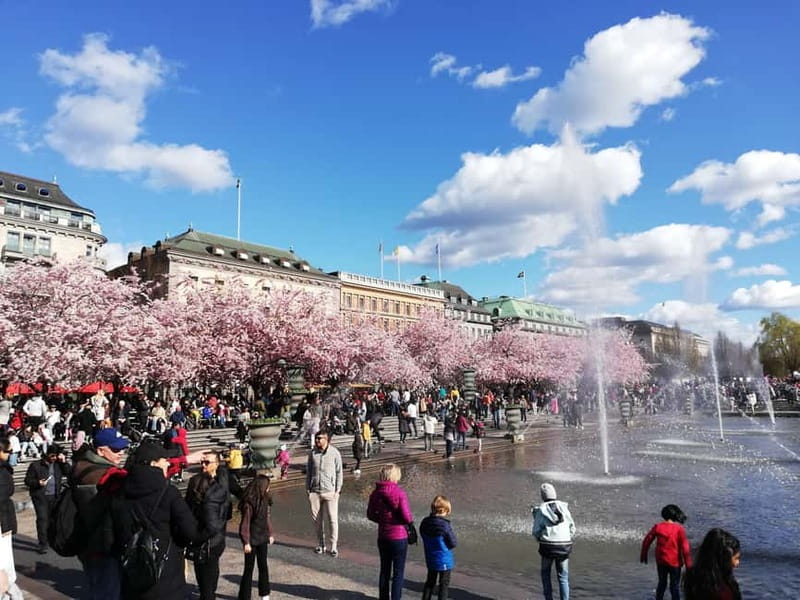
The walk continues to Kungsträdgården Park for about 10 minutes. You get a guided visit, a photo stop, and time to walk through the park. This is a useful change of pace after the more formal streets and commercial interiors.
St. Jacob’s Church is also included among the sights in the wider route. It adds a religious and historical layer to the city’s architectural story, though the scheduled itinerary does not give it a separate timed visit. You may pass by it or discuss it as part of the walk.
The short park section is worth keeping in perspective. You will see several notable places, but you will not get a full guided visit at each one. The tour works best as a connected overview, not as a substitute for dedicated visits to every building.
The Royal Swedish Opera and Stockholm’s public spaces
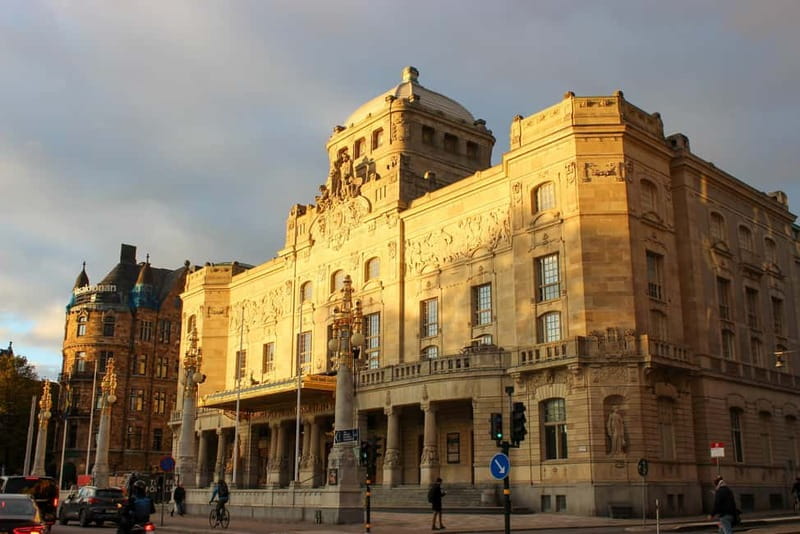
The Royal Swedish Opera receives around 15 minutes of sightseeing and walking. Like the Royal Dramatic Theatre, it lets you consider how Stockholm’s cultural institutions shaped the city’s public face.
This is where the route feels especially useful for first-time visitors. You are not only looking at isolated buildings. You are seeing how theatres, parks, squares, hotels, churches, and commercial streets fit into one walkable part of the city.
The tour also includes Stockholm’s subway art, a major part of the city’s public art identity. The available schedule does not assign a separate subway stop, so you should not book this expecting a long underground art tour. It is better understood as one of the design and art subjects covered along the experience.
I appreciate that the route includes public art alongside grand architecture. Swedish design is not limited to objects sold in shops. It also appears in shared spaces used every day.
Finishing at the National Museum sculpture garden
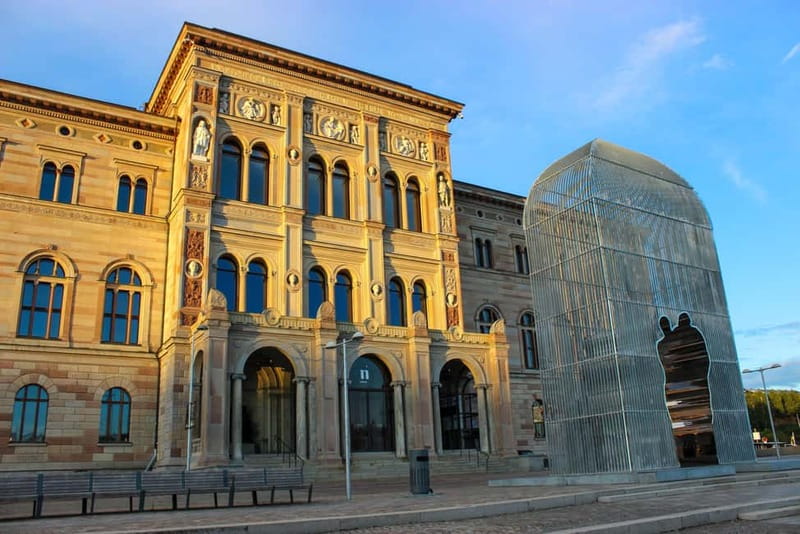
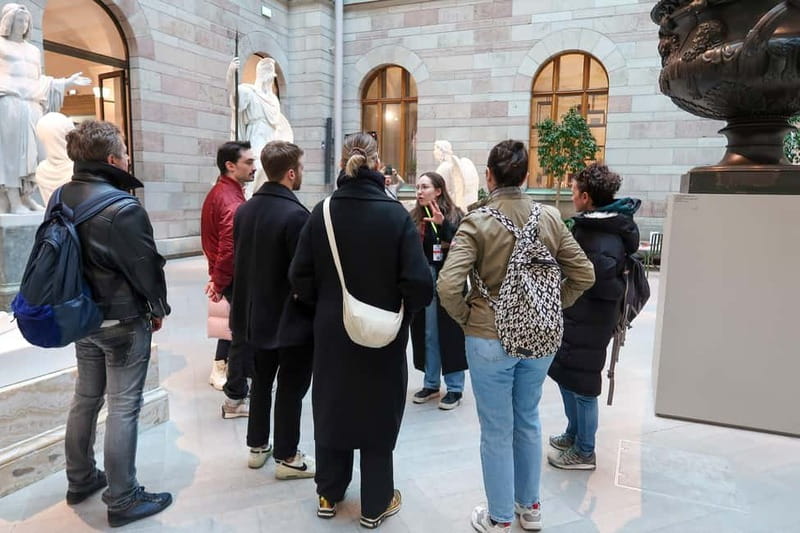
The final stop is the National Museum, where the tour ends after about five minutes of photo opportunities, sightseeing, and a visit to the sculpture garden. The short scheduled time suggests an exterior and garden focus, not a full tour of the museum galleries.
That distinction matters. If you want to see the National Museum’s interior collections, allow separate time before or after the walk. The tour gives you a useful introduction to the institution and its setting, but it does not replace an extended museum visit.
Finishing here is practical. You end near a major cultural attraction and can continue exploring independently. The route’s final views also provide a calm close after three hours of streets, shops, theatres, and urban design.
How the small group changes the experience
The group is limited to 10 people, which is one of the tour’s strongest practical features. A small group makes it easier to hear explanations outdoors and easier to ask about a building, designer, or shopping stop.
It also suits a route that moves through active city streets and stores. A large group could make the design-shop visits awkward, especially when the spaces are busy or compact. Ten people is small enough for the guide to keep the group together without turning the walk into a private tour.
The guide speaks English and focuses on art history, architecture, and Swedish design. Recent guide names connected with the experience include Franky, Olesia, and Ana. Ana was especially appreciated for being easy to talk to and for offering useful ideas for the rest of a Stockholm stay, while Franky was noted for explaining the different sides of Swedish art, design, and architecture clearly.
Those details point to the kind of guide you want here: not only someone who knows dates and building names, but someone who can explain connections and answer practical questions.
Who should book this experience
I would recommend it to you if you:
- Like architecture but do not want a long technical lecture.
- Enjoy furniture, interiors, fashion, and Swedish design.
- Want to understand Stockholm beyond the Royal Palace and old town.
- Prefer a small group and an English-speaking local guide.
- Want a useful first or second-day orientation to central Stockholm.
- Enjoy combining sightseeing with food-market browsing.
It may be less suitable if you want a dedicated museum tour, a long food tasting, or a relaxed shopping afternoon. The schedule covers many stops, and several receive only 10 to 15 minutes. You will see more places than you can study in depth.
The walk is wheelchair accessible, but the route remains a city walking tour. Confirm the day’s practical needs when booking if you require specific assistance. Flash photography, tripods, video recording, strong fragrances, alcohol, drugs, weapons, and sharp objects are not allowed.
You can cancel up to 24 hours before the start for a full refund, and the reserve-now, pay-later option helps if you are still arranging your Stockholm schedule. Availability and starting times should be checked for your chosen date.
Should you book this Östermalm tour?
Book it if you want a well-shaped introduction to Stockholm’s architecture and design scene, with enough variety to keep three hours moving. The combination of Östermalm Food Market, Nordiska Galleriet, Svenskt Tenn, Strandvägen, the theatres, Kungsträdgården, and the National Museum sculpture garden gives you a broader picture than a standard landmark walk.
The $44 price makes the most sense when you value explanation and small-group access. You are not paying for a long museum entry or a formal meal, so choose another experience if those are your main goals. For an art-minded first look at Stockholm, though, this tour offers a practical route, a clear theme, and several places you may not think to connect on your own.
FAQ
How long does the Stockholm architecture and design tour last?
The experience lasts three hours.
How much does the tour cost?
The price is $44 per person.
Where does the tour meet?
The meeting point is Svampen, beneath the rain cover that looks like a mushroom.
How early should I arrive?
Arrive five to 10 minutes before the scheduled start time.
How will I identify the guide?
Look for the guide wearing a neon name-tag lanyard.
What language is the tour conducted in?
The live tour guide speaks English.
How large is the group?
The group is limited to 10 participants.
Is the tour wheelchair accessible?
Yes, the activity is listed as wheelchair accessible.
Does the tour visit Östermalm Food Market?
Yes, the experience includes a visit to Östermalm Food Market, with time for local snacks, regional food, shopping, and a guided visit.
Which design shops are included?
The tour includes visits to two design shops, Nordiska Galleriet and Svenskt Tenn.
Where does the tour finish?
The tour ends at the National Museum, including a visit to its sculpture garden.
Can I cancel for a full refund?
Yes, cancellation is available up to 24 hours in advance for a full refund.
New to the itinerary around the world
- Wilmington History and Architecture Tour★ 4.8 · 18 reviews
- Washington, DC: Georgetown Architecture Walking Tour★ 5.0 · 8 reviews
- Walk & Discover KL’s Architectural and Heritage Gems★ 5.0 · 7 reviews
- Washington DC: Dupont Circle & Embassy Row Architecture Tour★ 5.0 · 6 reviews
- New Orleans : Garden District Architecture Walking tour★ 4.8 · 5 reviews
- Unveiling Brno: History, Culture & Architectural Delights★ 5.0 · 2 reviews
- Vicenza: Palladian Architecture Private Walking Tour★ 3.3 · 3 reviews
- Private Colonial Williamsburg Architectural Tour★ 5.0 · 5 reviews