
Review · SWEDEN
Scandinavian Art, Architecture and Design Tour in Stockholm
Stockholm’s design story is best read in its streets, not only inside museums. This three-hour walk connects polished Östermalm shops, a grand 19th-century food hall, Art Nouveau theater architecture, royal gardens, and the waterfront museums near the Nationalmuseum. You get the city’s style with its history attached.
I especially like the small group limit of 10 and the chance to browse design shops at your own pace. The route also gives you two useful introductions at once: Stockholm’s design culture and its city center. The possible snag is pace. With several districts and landmarks packed into about three hours, some stops are viewed from outside or discussed briefly.
Key points to know
- Östermalm’s design district: Walk around Stureplan, Linnégatan, Nybrogatan, and Strandvägen, with attention to Swedish furniture, upholstery, and antiques.
- A food hall with architectural weight: Spend about 30 minutes inside Östermalms Saluhall, where Swedish delicacies share space with a 19th-century landmark.
- A personal guide-led format: Olesia has led at least one private version of the walk, allowing time for questions and independent browsing in design stores.
- A broad city-center route: The walk links Östermalm, Kungsträdgården, the Royal Opera area, Skeppsholmen, and the Nationalmuseum.
- A useful orientation for first-time visitors: You learn how Swedish design, parks, theaters, public buildings, and museums fit together.
- Good-weather planning matters: The experience can be moved or refunded if poor weather leads to cancellation.
Stockholm design begins on Östermalm’s streets
The tour starts at Svampen, the mushroom-shaped meeting point at Stureplan in Östermalm. This is a practical beginning because you are immediately in one of Stockholm’s most polished shopping and design areas, rather than spending the first part of the tour walking toward the subject.
The route includes Stureplan, Linnégatan, Nybrogatan, and Strandvägen. These streets provide the setting for a discussion of Swedish design names, upholstery houses, antique dealers, and the people who helped shape Stockholm’s design identity. You are not simply shown a chair or shop window. The guide explains the legacy and historical setting behind the businesses.
That distinction matters. Stockholm design is often reduced to clean lines and pale wood, but this walk places it in a city district where furniture, textiles, interiors, and high-end retail meet daily life. You might find that the most useful part is learning which names and shops to remember for later, especially if you plan to return on your own.
A special stop focuses on a well-known Swedish upholstery name serving Stockholm’s most wealthy residents. The exact business is not specified in the tour details, so do not book expecting a particular showroom or a guaranteed shopping purchase. The value is the context: you learn how Swedish design can move from practical household goods to custom interiors for prominent clients.
The tour includes access to design shops, and one of the strongest features is the built-in time to browse. Olesia, named by a past participant as a guide on a private tour, allowed time to look through furniture, home accessories, and textiles independently. That balance is important. A guide can explain the design world, then give you room to decide what actually catches your eye.
More Architecture Tours around the world:
- Chicago Architecture River Cruise
★ 5.0 · 15,756 reviews - Chicago River 90-Minute Architecture Tour
★ 4.5 · 9,629 reviews - Chicago River: 1.5-Hour Guided Architecture Cruise
★ 4.8 · 8,046 reviews
Östermalms Saluhall brings design down to earth
After the polished streets of Östermalm, the route moves into Östermalms Saluhall. This market hall dates to the 19th century and is valued both for its food and for its architecture.
You have about 30 minutes here. That is enough time for a guided look at the market and an introduction to typically Swedish delicacies, but it is not a long meal stop. If you want to sit down for a full lunch, you should plan that separately before or after the walk.
I like this change of mood. The first section is about design shops and refined interiors. The food hall shows another side of Swedish taste, one based on ingredients, local eating habits, and a public market setting. It also gives the tour a sensory pause after the more visual opening section.
The food hall is included in the route, but the details do not say that food tastings or a meal are included in the price. Treat the stop as an architectural and cultural visit, not as a food tour with a set tasting menu. You can still use the time to look at the Swedish specialties on display and note places you may want to revisit.
The Royal Dramatic Theater and Stockholm’s stage tradition
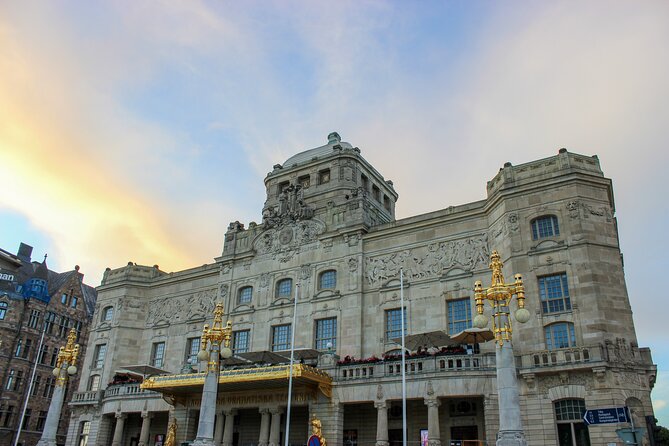
The Royal Dramatic Theater, or Kungliga Dramatiska Teatern, is a short stop of about 15 minutes. Its Art Nouveau design makes it one of the route’s clearest architecture-focused moments.
The theater also connects buildings to people. The guide discusses famous Swedish stars associated with the theater, including Greta Garbo and Ingrid Bergman, who later became internationally known for Casablanca. That gives the facade more meaning than a quick photograph would.
Fifteen minutes is not enough for a full theater visit, and admission is not listed as part of the experience. You should expect an exterior look and a concise explanation rather than a performance, backstage visit, or extended interior tour.
Still, the brief stop works well in the overall rhythm. The route is not devoted to one building type. Instead, it moves between private design, food commerce, performance, parks, and museums. You get a sense of how art and design appear in ordinary city blocks, not only in formal galleries.
Kungsträdgården traces several eras in one park
Kungsträdgården, or King’s Garden, provides the tour’s main green-space stop. The visit lasts about 45 minutes, making it one of the longer sections.
The discussion begins with the garden’s origins in the 15th century and follows its later reinventions. You also hear how parks help shape Stockholm’s urban life and how architectural styles changed from Gothic to Baroque and then toward modern influences.
This is a useful pause because it shifts your attention away from individual shops and buildings. You see the city as a planned place, where open space affects how people move, meet, and experience the center. The tour also explains the origin of Sweden’s famous falu red paint, a small but distinctive detail that links national color traditions to the built environment.
The park is free to enter, and the visit does not require a ticket. Since the tour depends on outdoor walking, weather matters here more than at any indoor attraction. Wear shoes you can walk in and bring suitable clothing, especially if you are visiting during a cool or wet period.
Same streets, read through a different style:
- Barcelona: Park Güell and Gaudí House Museum Entry Ticket
★ 4.5 · 6,326 reviews - Chicago Architecture Center River Cruise aboard First Lady
★ 5.0 · 5,536 reviews - Barcelona: Gaudi’s Casa Vicens Skip-the-Line Entrance Ticket
★ 4.7 · 4,541 reviews - Barcelona: Gaudí’s Park Güell Tour with Fast-Track Ticket
★ 4.8 · 4,512 reviews
The Royal Opera adds a dramatic chapter
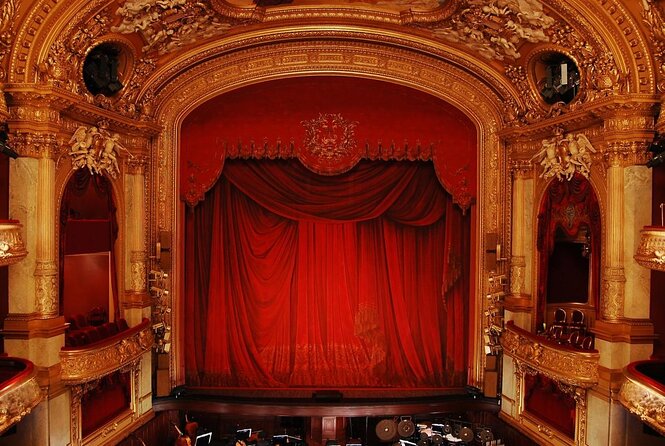
The Royal Swedish Opera appears as another architectural and cultural point along the route. The building dates from the late 19th century, and the guide presents its connection to Stockholm’s own version of the Phantom of the Opera story.
The details supplied for this stop do not specify a separate visit inside the opera house. Plan on hearing about the building and its theatrical history rather than attending a performance or taking a full interior tour.
This stop suits the tour’s larger purpose. Stockholm design is not only about household objects and modern interiors. It also includes public buildings made to impress, entertain, and represent the city. The opera house helps you see how architecture can create a sense of occasion.
Because this is one piece of a longer walking route, the treatment is likely brief. If opera is a major interest, you will need another visit for a performance or a more focused architectural experience.
Skeppsholmen and the route toward the Nationalmuseum
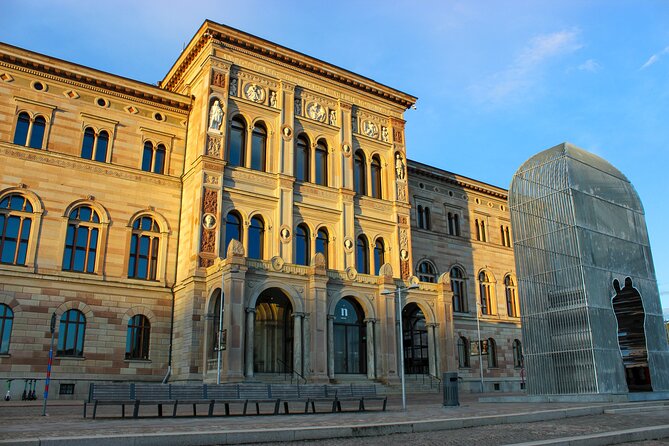
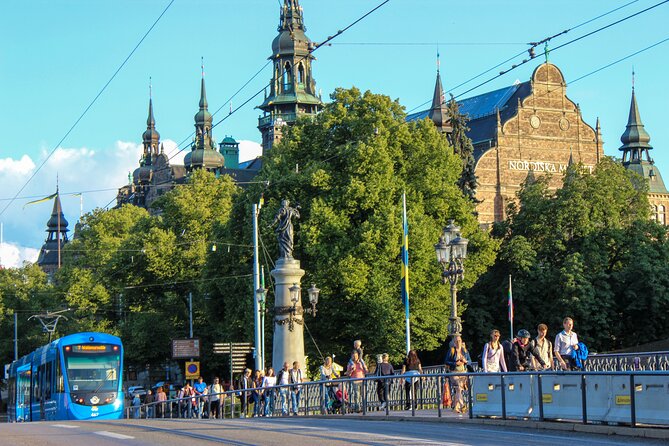
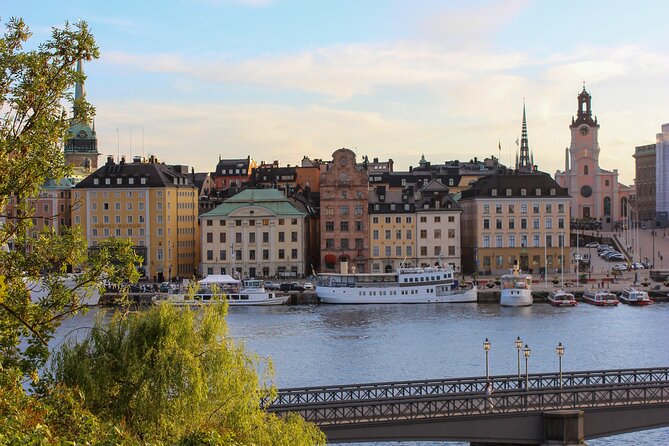
The final section brings you toward Skeppsholmen and the Nationalmuseum. Skeppsholmen is one of the prettiest islands in central Stockholm, with views toward the Old Town and a strong connection to Swedish art and culture.
The route discusses the museums associated with this part of the city, including the Nationalmuseum, Moderna, and ArkDes. This makes the ending useful for planning the rest of your stay. You can identify which museum suits your interests and return later with more time.
The tour ends in front of the Nationalmuseum at Södra Blasieholmshamnen 2. That is a sensible finish because the Nationalmuseum is itself central to Sweden’s art and design story, while the waterfront setting gives you a final visual connection between buildings, water, and the older city across the way.
The tour information also describes Skeppsholmen as a final point, so the precise walking order between the island, the museums, and the Nationalmuseum may vary. Ask the guide at the start if you want to know exactly how the final section will run. The important practical point is that you finish near a major museum rather than returning to Östermalm.
What the three-hour format gives you
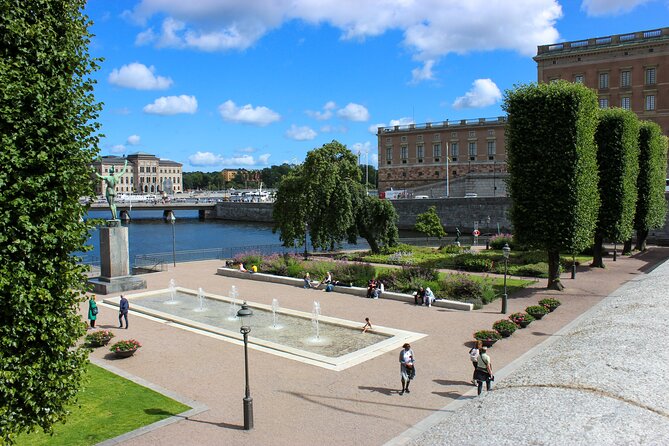
At $61.62 per person, this is not the cheapest way to take a walk around Stockholm. It can still offer fair value if you want interpretation rather than a self-guided route.
You are paying for an English-language guide, a small group capped at 10 people, access to design shops, and a route that links several parts of central Stockholm. Public spaces such as Kungsträdgården and the theater exteriors do not require admission, but the guide’s explanations are the main product.
The price makes the most sense for someone who wants a quick, organized introduction at the beginning of a Stockholm stay. You can use the walk to mark shops, museums, neighborhoods, and buildings for later visits. It also helps if design is important to you but you do not yet know which parts of the city deserve your time.
The value is less clear if you want extensive museum time, food tastings, or a shopping expedition. The tour does not include a full museum visit, a meal, or a performance. It is a guided city walk with design and architecture as its organizing themes.
Travel time is included in the approximate three-hour duration. That means the clock includes movement between sections, photographs, questions, and pauses. You should not expect three full hours of uninterrupted commentary at individual sites.
The benefits of a group limited to 10
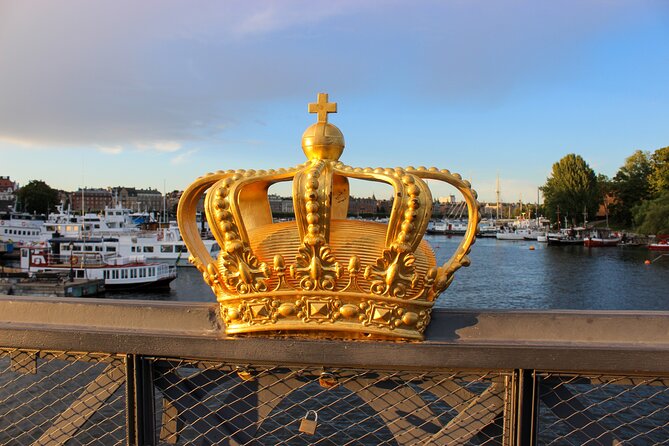
A maximum of 10 people is one of the best practical features. A small group makes it easier to hear on city streets and easier to stop briefly without blocking the route. It also gives you a better chance to ask about a shop, building, material, or design name that interests you.
One private version led by Olesia was especially personal because only one person attended. That is not a promise that your departure will be private, but it does show the format can support a more conversational experience when numbers are low.
The guide’s role matters here. The most praised qualities in the available feedback were passion, storytelling, and the ability to make each place feel connected to a larger idea. The tour works best when you want explanation and conversation, not just a list of photo stops.
The English offering is clear and useful for visitors who want the tour in that language. Confirmation arrives when you book, and most people can participate. Service animals are allowed, and the route is near public transportation.
Who should book this Stockholm walk
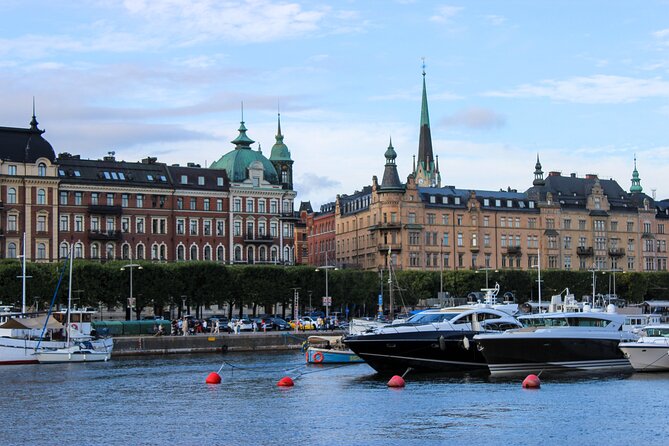
I would recommend it most strongly to:
- First-time Stockholm visitors who want orientation with substance.
- People interested in Scandinavian furniture, textiles, interiors, and antiques.
- Museum fans who want help deciding between the Nationalmuseum, Moderna, and ArkDes.
- Visitors who enjoy architecture but do not want to spend three hours inside a single museum.
- Shoppers who appreciate time to browse design stores without being hurried through every doorway.
- Couples or small groups who prefer a limited-size walk over a large city tour.
It may be less suitable if you have limited mobility or dislike outdoor walking, since the experience moves between several city areas and requires good weather. The details say most people can participate, but they do not provide a specific distance or accessibility assessment. Ask before booking if you need exact information about walking surfaces, seating, or the route.
It may also disappoint you if you expect a shopping discount, a meal, or guaranteed entry into every building mentioned. The route introduces the city from the outside and through guided explanation. Some of the strongest subjects, including the Royal Opera and Royal Dramatic Theater, are treated as landmarks rather than ticketed attractions.
Booking advice and final verdict
Free cancellation is available if you cancel at least 24 hours before the start time. Changes made inside that period are not accepted, and poor weather can lead to a different date or a full refund. That policy is worth noting because much of the experience takes place outdoors.
Book this tour if you want to understand why Stockholm’s design reputation extends beyond furniture stores. The combination of Östermalm’s shops, Saluhall’s food culture, the theaters, Kungsträdgården, the Opera, and the museum district gives you a well-shaped introduction to the city center.
Skip it if your priority is a long museum visit, a full meal, or a dedicated shopping appointment. For everyone else, especially on the first or second day of a Stockholm trip, the three-hour route offers a smart way to get your bearings and create a personal list of places to return to.
FAQ
How long is the Scandinavian Art, Architecture and Design Tour?
The tour lasts approximately three hours, including travel time between stops.
What language is the tour offered in?
The tour is offered in English.
Where does the tour begin?
It begins at Svampen, Stureplan, in Östermalm, Stockholm.
Where does the tour end?
It ends in front of the Nationalmuseum at Södra Blasieholmshamnen 2.
How many people can join the tour?
The group is limited to a maximum of 10 people.
Is admission to the attractions included?
The tour includes access to design shops. The listed outdoor stops have no admission ticket, while the information does not state that museum entry, theater entry, opera entry, food, or performances are included.
Does the tour visit Östermalms Saluhall?
Yes. The route spends about 30 minutes at Östermalms Saluhall, a 19th-century food hall and architectural landmark.
Does the tour include time for shopping?
Yes. The route includes access to design shops, and the format allows time to browse furniture, home accessories, and textiles at your own pace.
Can service animals join the tour?
Yes, service animals are allowed.
Can I cancel for a full refund?
Yes, if you cancel at least 24 hours before the experience start time. Cancellations made less than 24 hours in advance are not refunded. If poor weather causes the tour to be canceled, you will be offered another date or a full refund.
New to the itinerary around the world
- Wilmington History and Architecture Tour★ 4.8 · 18 reviews
- Washington, DC: Georgetown Architecture Walking Tour★ 5.0 · 8 reviews
- Walk & Discover KL’s Architectural and Heritage Gems★ 5.0 · 7 reviews
- Washington DC: Dupont Circle & Embassy Row Architecture Tour★ 5.0 · 6 reviews
- New Orleans : Garden District Architecture Walking tour★ 4.8 · 5 reviews
- Unveiling Brno: History, Culture & Architectural Delights★ 5.0 · 2 reviews
- Vicenza: Palladian Architecture Private Walking Tour★ 3.3 · 3 reviews
- Private Colonial Williamsburg Architectural Tour★ 5.0 · 5 reviews