
Review · CHICAGO
Chicago: Architecture & True Crime History
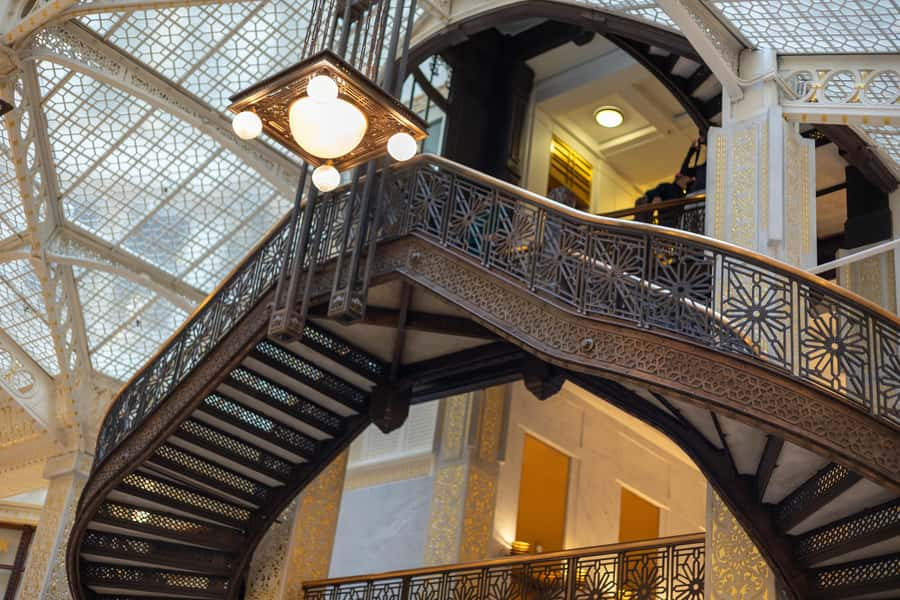
Chicago’s grand buildings have plenty to say, but this walk listens for the darker voices. Inspired by Devil in the White City, it pairs Beaux Arts elegance, Art Deco drama, and Modernist lines with stories of murder, corruption, and scandal. The mix of beauty and menace gives you a different way to read downtown.
I like two things right away: the subject range, which moves beyond famous names such as Gacy and Holmes, and the local guides, who bring a history-buff’s care to true-crime storytelling. Joseph, one of the named guides, is praised for his clear knowledge, warm manner, and flexibility when thunderstorms changed the end of one walk. The main consideration is simple: this is a 1.5-hour walking tour, not a full architecture survey or a dedicated crime bus tour.
Key points to know
- Architecture with a dark twist: Connect Chicago’s Beaux Arts, Art Deco, and Modernist buildings with crime, corruption, murder, and scandal.
- Stories beyond Gacy and Holmes: Hear the famous cases along with lesser-known tales tied to the city.
- Local, story-focused guides: Guides such as Joseph and other Chicago history buffs lead in English.
- A central starting point: Meet under the Palmer House canopy on the Wabash side, next to Poké Poké.
- Good value at $35: The price covers 1.5 hours with a live guide, making it a useful introduction to downtown.
- Weather can affect the walk: Bring a plan for rain, since the tour is outdoors and one group had to change its finish during thunderstorms.
Why Chicago architecture works so well with true crime
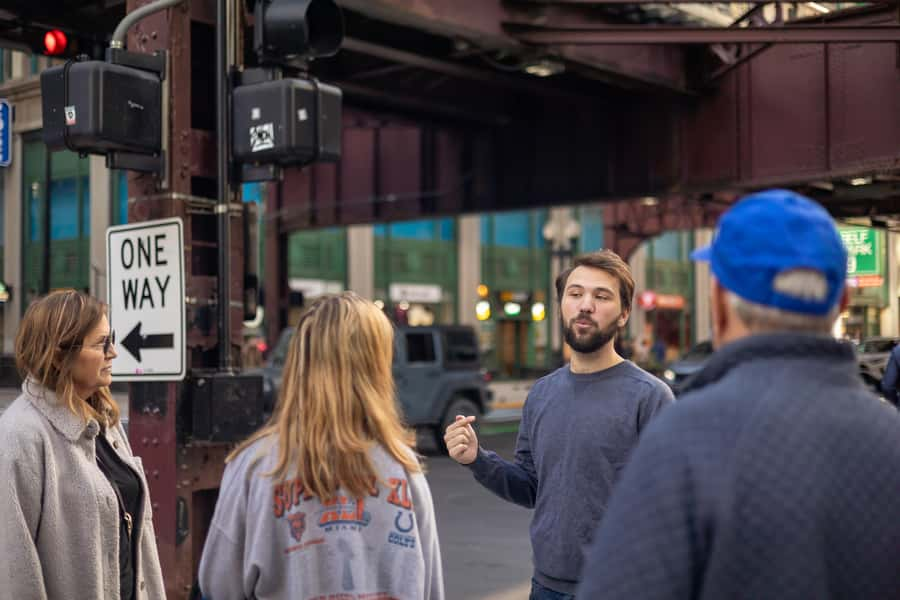
Chicago is a city where beauty and trouble often share the same block. A polished facade can hide political deals, private scandals, violent crimes, or the ordinary pressures of a fast-growing city. This tour uses that contrast as its main idea.
Instead of treating architecture as a list of dates and styles, the guide connects buildings to the people and events around them. That makes the structures easier to remember. A formal Beaux Arts design is not just an old facade. It becomes part of a city story shaped by ambition, money, power, and fear.
The tour takes its cue from Devil in the White City, the well-known account of Chicago’s 1893 World’s Fair and the sinister crimes linked with the period. You should not expect a full retelling of that book. The point is broader: Chicago’s architectural achievements and its darker past developed side by side.
I like this approach because it gives you two reasons to look up. You examine the details of a building, then listen for the human story connected to its surroundings. If you usually find standard architecture tours too dry, the crime material keeps the walk moving. If true crime alone feels too grim, the buildings add visual and historical balance.
More History Walks around Chicago:
- Chicago in a Day: Food, History & Architecture Walking Tour
★ 5.0 · 1,153 reviews - Historical and Architectural Chicago Fireboat River & Lake Cruise
★ 5.0 · 246 reviews - Chicago: Food, History and Architecture Tour
★ 4.8 · 104 reviews
Starting under the Palmer House canopy
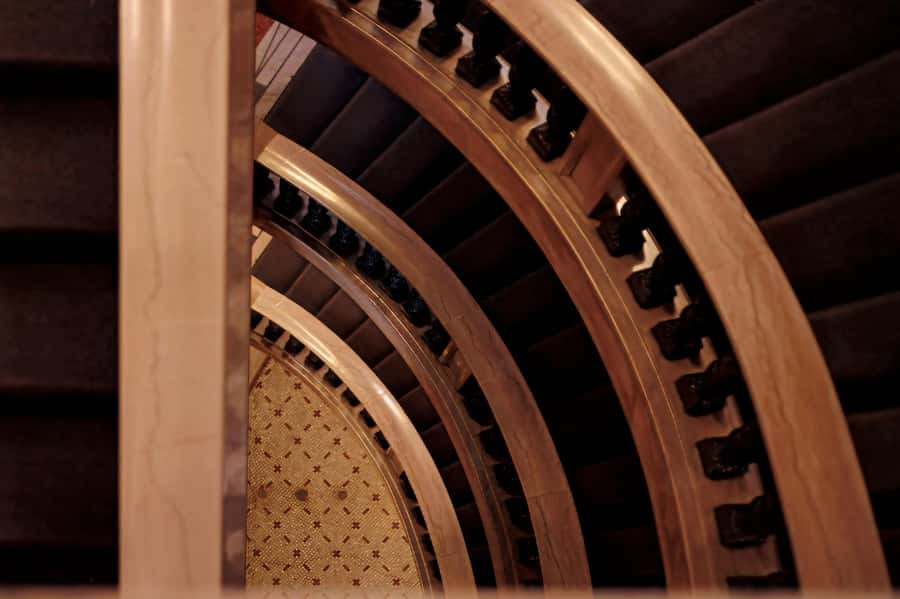
The meeting point is under the Palmer House canopy on the Wabash side, right next to Poké Poké. That detail matters in downtown Chicago, where a broad address can still leave you searching among entrances, traffic, and hotel frontage.
I would arrive a little early and use the Palmer House as your anchor. You are not meeting at a remote attraction or waiting for hotel pickup. The tour begins in the center of the city, so plan to reach the area on your own.
The central location makes this a useful first-day activity. You can place the walk between other downtown plans, or use it to get your bearings before visiting more of Chicago. The tradeoff is that the start can feel busy, especially if you are not used to finding a particular side of a large city hotel.
Once the guide gathers the group, expect the introduction to set the tone: Chicago’s architectural beauty is real, but so is the city’s record of violence, crime, and scandal. The guide is the main attraction here. There are no listed transfers, hotel pickup, or special admission sites included.
Reading Beaux Arts buildings through their darker stories
The Beaux Arts portion gives the tour a grand opening, at least in spirit. This style is associated with formal design, decorative detail, and an air of civic confidence. On a normal architecture walk, you might focus on symmetry, ornament, and the way a building presents itself to the street.
Here, you also consider what that confidence can conceal. The guide uses the buildings as settings for stories about corruption, murder, and scandal. The effect is less about pointing at one decorative feature and more about asking you to see the city as a place shaped by competing motives.
This section should suit you if you enjoy history that includes people rather than only dates. It also gives true-crime fans something more substantial than a string of grisly facts. The architecture supplies context, while the crime stories supply tension.
The limitation is that the tour description does not promise entry into specific buildings. You should expect to view Chicago’s architecture as you walk rather than assume access to private interiors. If you want grand rooms, hidden lobbies, or a detailed study of interior design, a dedicated interiors tour may be a better match.
Moving from Art Deco drama to Modernist restraint
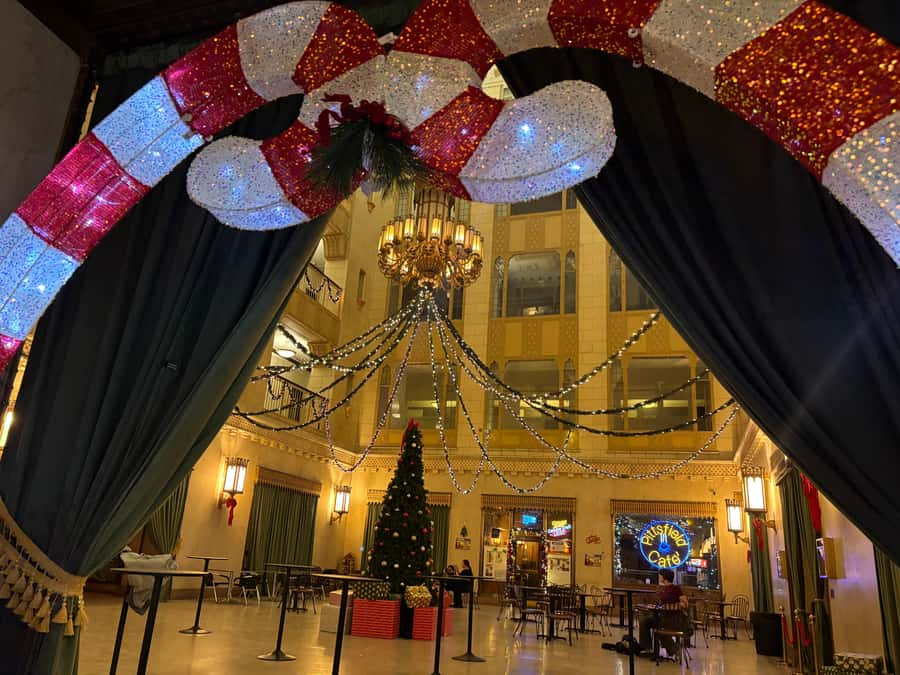
The walk also covers Art Deco and Modernist design, two styles that give Chicago a useful visual change of pace. Art Deco can feel bold and theatrical, while Modernist buildings tend toward cleaner lines and a more stripped-back look.
That shift helps the tour avoid becoming one long block of similar facades. You may find yourself comparing how each period expressed power and progress. The guide’s storytelling adds another layer by showing that a city’s changing appearance does not mean its old problems disappear.
The architecture is not just scenery between crime stories. It is part of the meaning. Chicago’s bold building culture reflects ambition, wealth, invention, and competition. The darker tales remind you that growth also brings greed, violence, and people willing to exploit a crowded city.
I would pay close attention to transitions between stops. This is where a strong guide can turn a simple walk into a connected story. Joseph is described as personable as well as well prepared, and that combination matters. True crime subjects can become flat if delivered like a list of case files. A conversational guide helps the material feel tied to a real place.
More Architecture Tours around Chicago:
- Chicago Architecture River Cruise
★ 5.0 · 15,756 reviews - Chicago River 90-Minute Architecture Tour
★ 4.5 · 9,629 reviews - Chicago River: 1.5-Hour Guided Architecture Cruise
★ 4.8 · 8,046 reviews - Chicago Architecture Center River Cruise aboard First Lady
★ 5.0 · 5,536 reviews
The famous names, plus less familiar cases
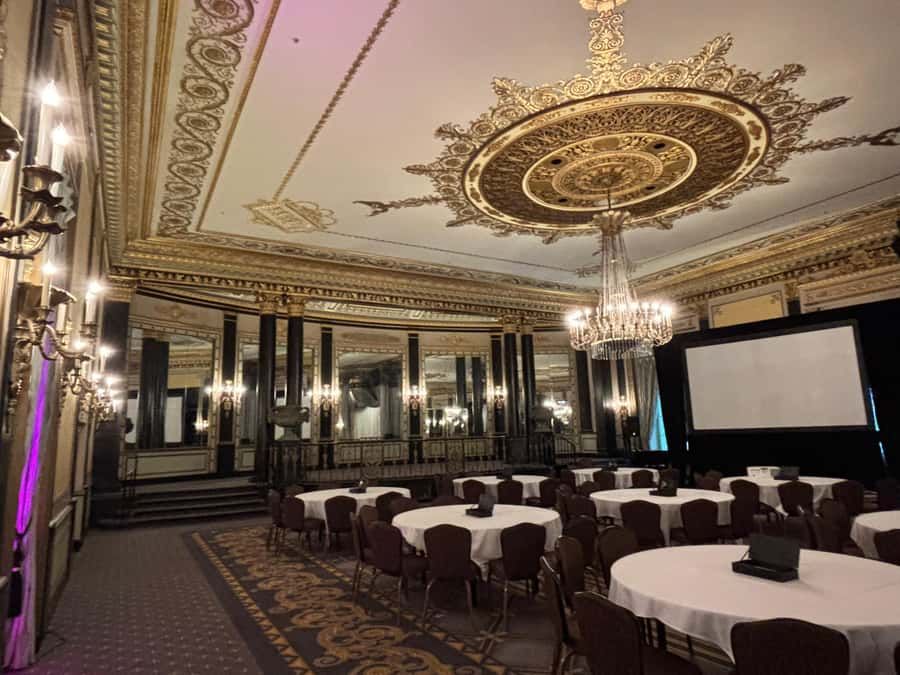
Gacy and Holmes are the headline names. Their stories give the tour an immediate hook, especially if you have already encountered them through books, documentaries, or podcasts.
The better reason to book, though, is the promise of lesser-known tales. You are not paying $35 simply to hear the same two names repeated. The value comes from seeing how those cases fit into a larger pattern of Chicago crime and civic life.
The guide’s job is to keep the focus on the city rather than turn the walk into celebrity criminal trivia. You can expect stories linked to the surrounding buildings and streets, along with discussion of corruption, murder, and scandal. The exact order and detail may vary by guide and group, so do not treat the public description as a fixed stop-by-stop script.
This is also where you should consider your comfort level. The subject matter is dark. The tour is designed for people who actively want true crime alongside architecture, not for anyone seeking a light sightseeing stroll. If murder stories make you uncomfortable, the architecture element may not soften the material enough.
Why the guide makes or breaks the experience
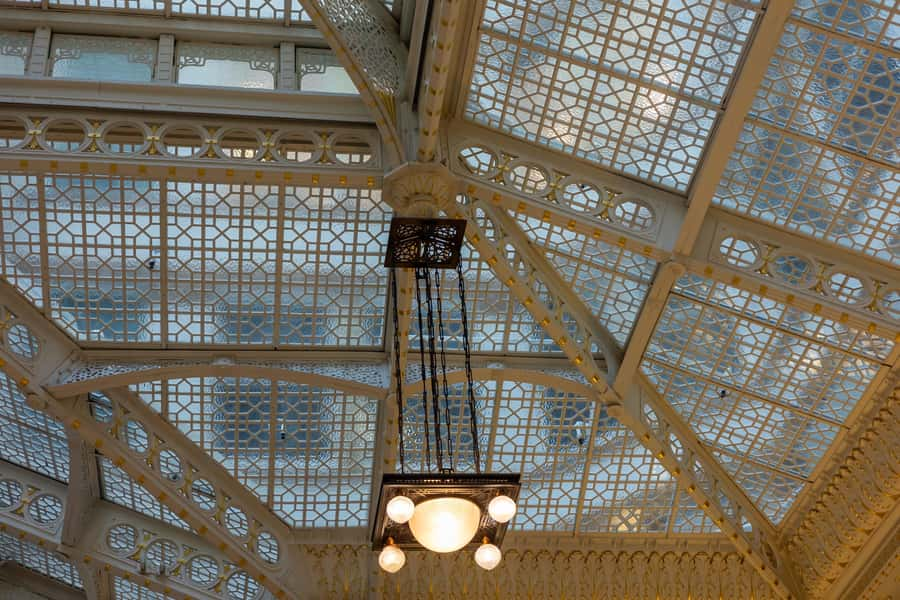
A live guide is included, and that guide carries much of the tour’s value. The buildings will still be there without a tour, but the connections between design, place, and crime depend on clear storytelling.
The strongest praise has focused on how the guides tell the stories, not just on the number of facts delivered. Laurianne singled out the guide’s storytelling. Tiffany described the walk as highly informative and full of history, crime stories, and striking architecture. Those comments point to a useful balance: you get a narrative, not a lecture.
Joseph is another name to look for when choosing a date. He is described as personable and able to explain both Chicago’s streets and its history. During one walk, thunderstorms forced a change to the ending, and he adjusted the plan. That flexibility is useful on an outdoor tour, although it cannot guarantee good weather.
Because the tour is in English, you should be comfortable following spoken storytelling for 90 minutes. There is no indication of a multilingual option. The experience is best for someone who enjoys asking questions, noticing details, and letting the guide shape the pace.
Is $35 fair for 90 minutes?
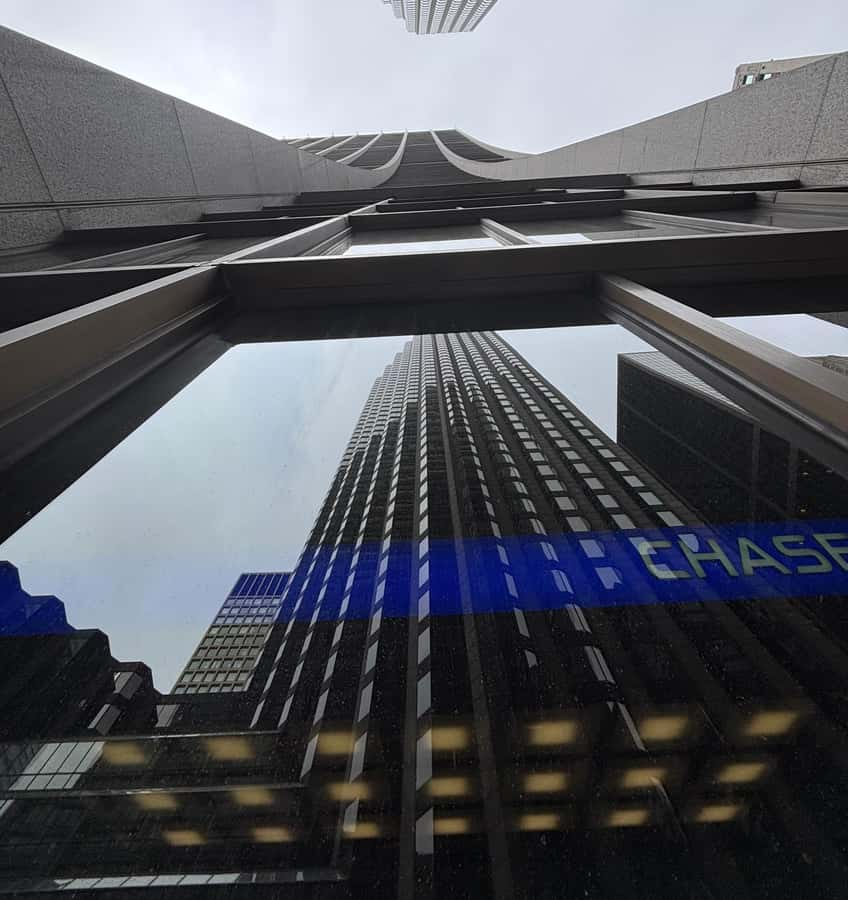
At $35 per person, this sits in a reasonable range for a guided downtown walk, especially because it combines two subjects that are often sold separately. You get a live local guide, a focused route, and a useful introduction to Chicago’s architecture and crime history.
The value depends on what you want from the outing. If you want a long architecture survey, a river cruise may show more buildings from a wider angle. If you want a dedicated mob or crime tour, a longer bus or walking option may give that topic more time.
This tour earns its price by doing something narrower and more distinctive. In 1.5 hours, you get a compact story about how Chicago looks and what has happened behind that public image. It is long enough to feel substantial, but short enough to fit into a busy city day.
I would not book it expecting entry fees, transportation, or hotel service. None is included, and that helps keep the price clear. You are paying for the guide and the walking experience.
Planning the walk around time and weather
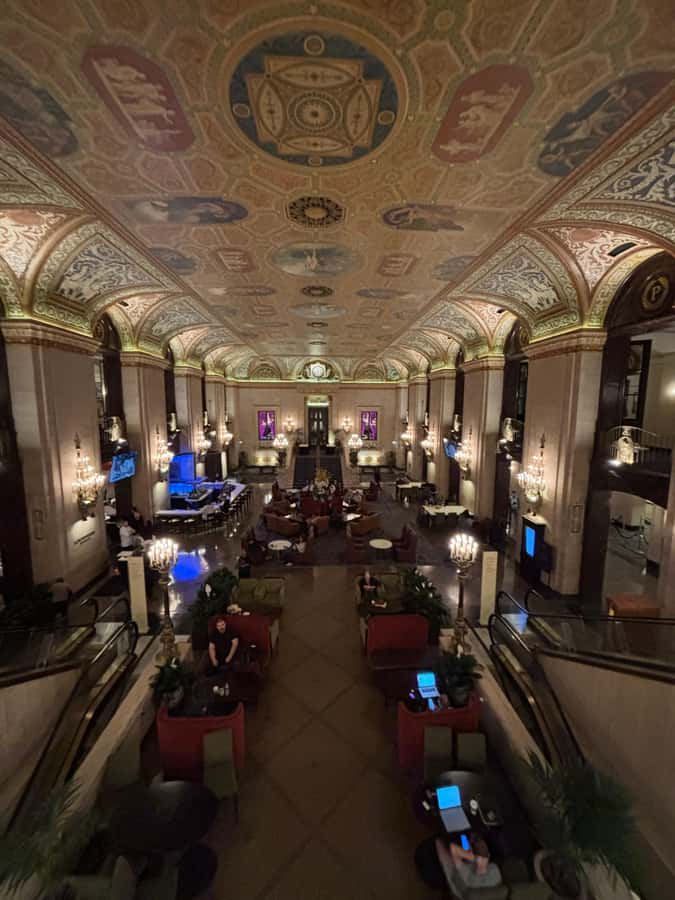
The tour usually runs in the morning and afternoon, which gives you useful room to fit it around meals, museums, or an evening plan. Morning may work well if you want to use the rest of the day for Chicago’s museums and neighborhoods. An afternoon departure can serve as a bridge between daytime sightseeing and dinner.
The walk lasts 1.5 hours, so wear shoes you can use comfortably on city streets. The available information does not state the exact distance, group size, or seating arrangements, so I would plan for a continuous outdoor walk rather than assume frequent indoor breaks.
Weather deserves attention. The tour takes place outside, and thunderstorms have affected the finish before. Check the forecast and keep your schedule slightly open if storms are possible. The guide may adjust the plan, but you should not count on a weather-proof route.
Cancellation is forgiving: you can cancel up to 24 hours ahead for a full refund. You can also reserve now and pay later, which helps if your Chicago schedule is still shifting.
Who will enjoy this Chicago walking tour
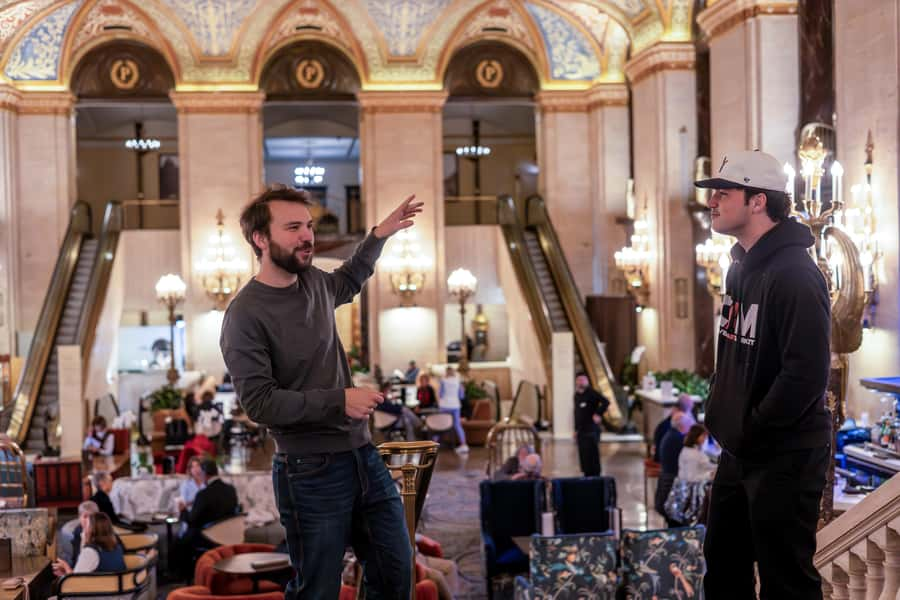
I would recommend it first to people who like both buildings and crime stories, but do not want to choose between them. It is also a good fit if you want a guided introduction before exploring downtown on your own.
True-crime fans will appreciate the familiar names and the lesser-known cases. Architecture fans will get a quick look at several major design moods, from Beaux Arts to Art Deco and Modernist work. History-minded visitors will like the way the guide ties public buildings to private behavior and city politics.
It may be less suitable if you want a family-focused activity, a quiet design lecture, or a long ride with little walking. The subject matter is serious, and the tour’s appeal depends on your interest in murder and scandal.
Solo visitors and couples may find the 90-minute length especially easy to fit into a city break. You do not need to give up half a day, yet you still leave with a stronger sense of how Chicago’s streets connect architecture and memory.
Should you book Chicago Architecture and True Crime History?
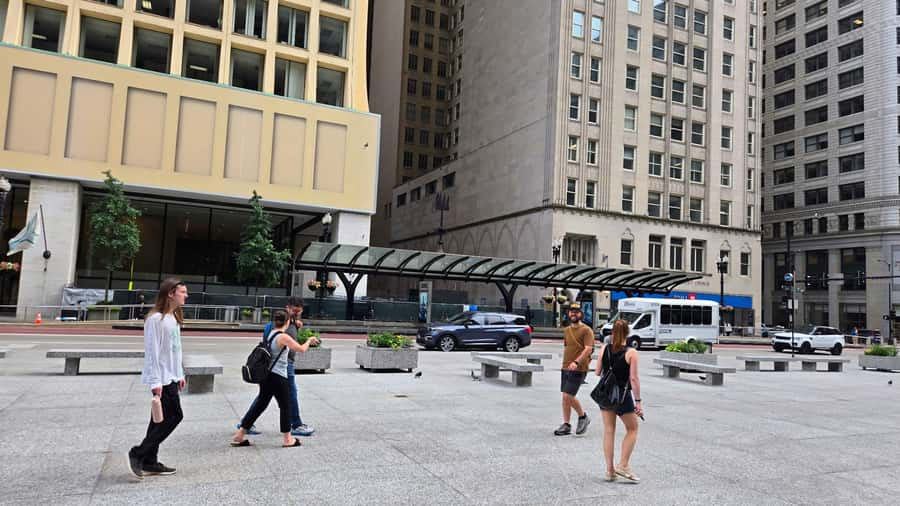
Book it if you want a compact, story-led walk that combines Chicago’s famous buildings with its darker past. The strongest reasons are the unusual subject pairing, the local guides, the clear storytelling, and the chance to hear about both Gacy and Holmes and less familiar crimes.
Skip it if you want a full riverfront architecture tour, access to building interiors, or a dedicated mob tour with more time for crime alone. For $35, though, this is a sensible choice for a first look at downtown, particularly if you enjoy history with a darker edge.
Meet at the Palmer House canopy on the Wabash side, keep an eye on the weather, and give yourself a few extra minutes to find the exact entrance. With those small points handled, you can spend the walk looking up at Chicago’s buildings while listening to the stories they might prefer to keep quiet.
FAQ
How much does the Chicago Architecture and True Crime History tour cost?
The tour costs $35 per person.
How long does the tour last?
The walking tour lasts 1.5 hours.
Where is the meeting point?
Meet under the Palmer House canopy on the Wabash side, next to Poké Poké.
What language is the tour conducted in?
The tour is conducted in English with a live guide.
What is included in the price?
The price includes a history-buff and true-crime-nerd guide. Hotel pickup, hotel drop-off, and transportation are not included.
Can I cancel or pay later?
You can cancel up to 24 hours before the tour for a full refund. You can also reserve your place and pay later.
New to the itinerary around Chicago
- Private Chicago Architecture Tour★ 5.0 · 5 reviews
- Private Frank Lloyd Wright Architectural Tour by Luxury Vehicle★ 3.5 · 7 reviews
- Chicago Luxury Minibus City Tour and Architecture River Cruise★ 4.5 · 8 reviews
- Private Chicago Architecture Walking Tour★ 5.0 · 6 reviews
- Chicago History and Architecture Walking Tour with Boat Cruise★ 4.5 · 10 reviews
- Small Group History And Architecture Walking Tour of Chicago★ 4.5 · 8 reviews
- Chicago Walking Tour: See Inside Art Deco Masterpieces★ 4.9 · 8 reviews
- Chicago: History and Architecture Guided Kayak Tour★ 5.0 · 3 reviews
Chicago Architecture Tours, compared.
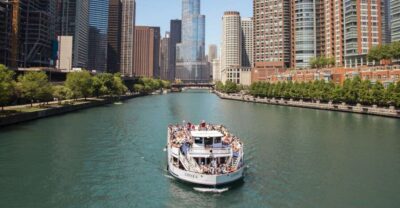
Chicago River: 1.5-Hour Guided Architecture Cruise
Read our review →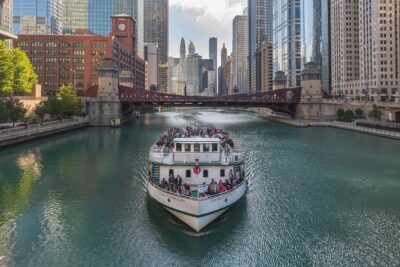
Chicago Architecture Center River Cruise aboard First Lady
Read our review →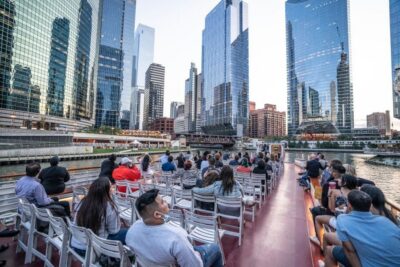
Architecture River Cruise Skip-the-Ticket Line
Read our review →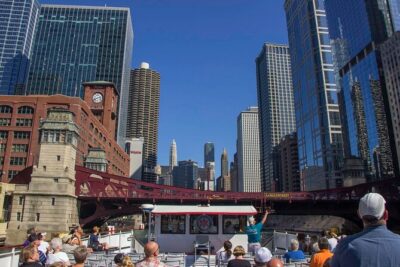
Chicago River 45-Minute Architecture Tour from Magnificent Mile
Read our review →
45-Minute Family-Friendly Architecture River Cruise
Read our review →Other lists with this tour