
Review · GHANA
Accra Architectural Tour
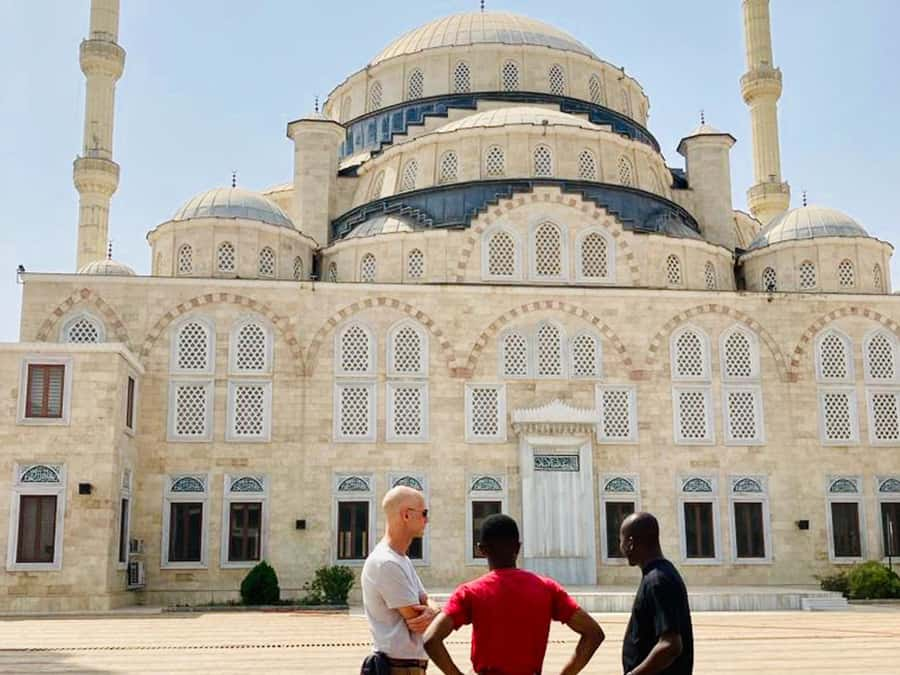
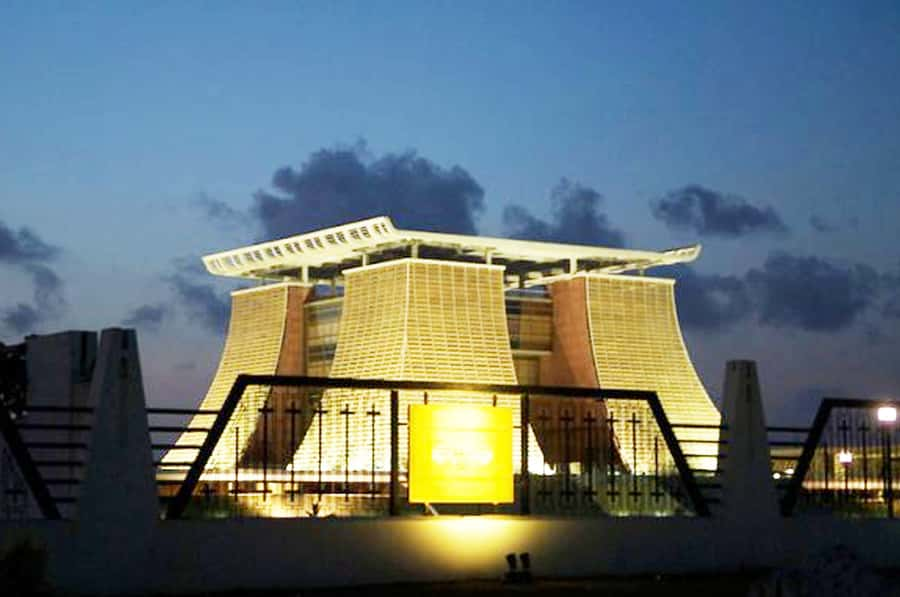
Accra’s old buildings tell a story of trade, colonization, faith, family wealth, and Ghanaian life better than any quick city drive. This tour brings those stories into focus as you walk among Danish, Dutch, and English buildings, then continue into the Ga-Mashie neighborhood of Jamestown.
I like the mix of walking and private transport, which gives you more time with the architecture without asking you to cross the whole city on foot. I also like the human touch from Kormi’s team, including Abena, Princess, and driver Kwame, who have been praised for making solo visitors feel comfortable. The main consideration is price: at $130 per person, this is best value for travelers who want context and guiding, not simply a quick look at old buildings.
Key points at a glance
- Colonial quarters in one outing: See areas shaped by Danish, Dutch, and English influence.
- Jamestown and Ga-Mashie: Walk through one of Accra’s most important historic neighborhoods.
- Architecture before and after colonial rule: Look at older local structures alongside European-built homes and mansions.
- Six hours with a private vehicle: The car makes the route more practical than a long walking-only tour.
- Art shopping at the finish: End at the Accra International Art Centre, useful for souvenirs and browsing.
- Flexible booking: You can cancel up to 24 hours ahead for a full refund and reserve without paying immediately.
Why Accra’s buildings are worth a full morning
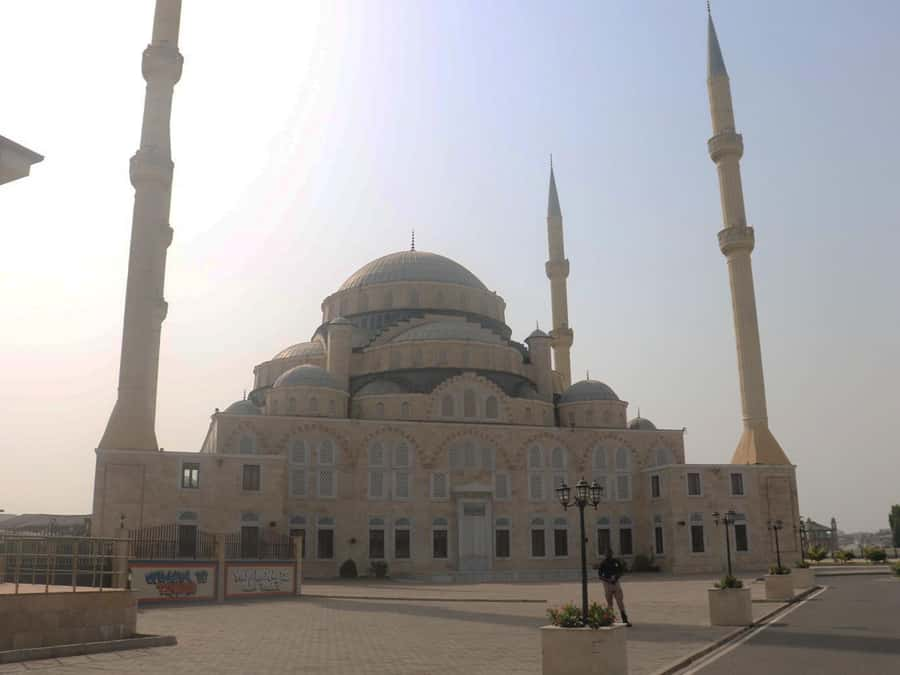
Accra is easy to underestimate if you see it only from a car window. Its older streets hold traces of several powers that used the coast for trade and settlement, while local Ga communities continued shaping the city around them.
The point of this tour is not simply to photograph handsome façades. Your guide explains how the city developed and why pre-colonial and colonial buildings remain important. You hear the stories behind elegant homes, imposing mansions, and local landmarks instead of treating them as anonymous old walls.
That context matters. A building can look European at first glance, but its place in Accra’s story is tied to local people, commerce, political power, and changing ideas about the city. The tour gives you a way to read those layers.
The schedule allows about three to four hours of walking within a six-hour outing. That leaves time for transport between areas and for stops along the route. You get a city tour with real walking in it, but not an exhausting march from one end of Accra to the other.
More Architecture Tours around the world:
- Chicago Architecture River Cruise
★ 5.0 · 15,756 reviews - Chicago River 90-Minute Architecture Tour
★ 4.5 · 9,629 reviews - Chicago River: 1.5-Hour Guided Architecture Cruise
★ 4.8 · 8,046 reviews
Starting with Accra’s European quarters
One of the most useful parts of the route is the chance to compare districts linked with Danish, Dutch, and English settlement. These areas help you see that Accra was not shaped by one outside influence or one period.
Your guide points out the architectural details and tells you what happened in the buildings and neighborhoods. The material supplied for this tour does not give a fixed list of every address, so you should think of this as a guided survey of important areas rather than a museum-style tour with a guaranteed room-by-room schedule.
That flexibility can be a benefit. City streets are not exhibits arranged behind glass. Buildings may be tucked into working neighborhoods, and the pleasure comes from noticing them in their daily setting. You will likely spend time looking up at façades, comparing styles, and listening to the stories tied to each location.
The drawbacks are practical. Walking through old urban districts can mean heat, uneven ground, traffic, and street activity. Wear sports shoes, light comfortable clothing, a hat, sunglasses, and sunscreen. Carry water, your camera, and any personal medication you need during the six hours.
Reading the pre-colonial and colonial buildings
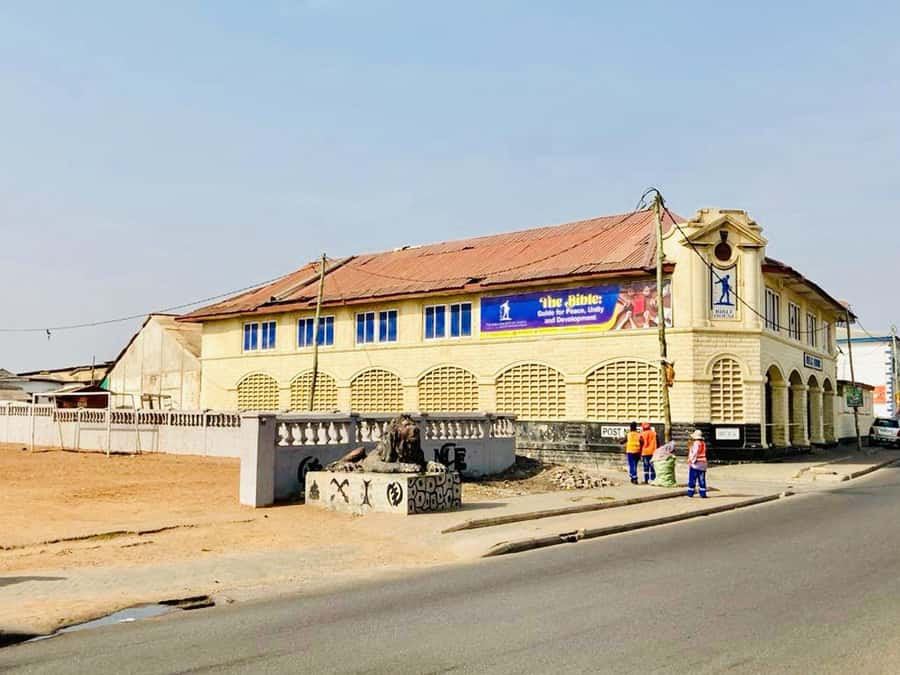
The tour includes both pre-colonial and post-colonial buildings. That broad range is important because Accra’s architectural identity is not limited to structures left by European colonizers.
You can expect your guide to place elegant homes and large mansions within the city’s wider story. The buildings are not presented as isolated curiosities. Their design reflects the people who built them, the commercial links that brought European powers to the coast, and the local setting in which those structures survived.
I would approach this section with patience. Some people expect every stop to look polished or grand. That is not the point. The value lies in seeing how older structures fit into a living city and in understanding why they matter.
The tour is also a good choice for anyone who prefers local interpretation to a printed guidebook. Kormi’s team has received strong praise for explaining Ghanaian history and culture in an approachable way. Abena and Princess were singled out for making a solo visitor feel at ease, while Kwame, the driver, was appreciated for his friendly conversation and helpful presence.
Because the tour is guided in English or French, you can ask questions as you go. An audio guide is also listed in English, French, and German. That gives you an additional option, though you should check the available language setup when booking if language access is especially important to you.
Entering Ga-Mashie and Jamestown

The route continues to Ga-Mashie in Jamestown, a key stop for understanding Accra beyond its colonial façades. Here, the tour shifts from comparing European districts to looking at a neighborhood with strong local identity and historical weight.
Jamestown is not merely a backdrop for photographs. The neighborhood helps connect architecture with community life. Your guide can explain how the area fits into Accra’s past and point out the relationship between local buildings, streets, and the city’s coastal development.
This is where good guiding matters most. Without explanation, you might notice age and character but miss the reasons behind them. With context, you can better understand how Accra developed through contact between Ga communities and European powers.
Keep your expectations realistic. The information provided does not promise entry into every building or a private look inside historic homes. Much of the experience is a guided walk through the streets, with attention to visible architecture and local landmarks.
For that reason, this tour suits you if you enjoy observing a city at street level. It is less suited to someone looking for a formal indoor architecture museum or a tightly scripted list of landmark interiors.
Same streets, read through a different style:
- Barcelona: Park Güell and Gaudí House Museum Entry Ticket
★ 4.5 · 6,326 reviews - Chicago Architecture Center River Cruise aboard First Lady
★ 5.0 · 5,536 reviews - Barcelona: Gaudi’s Casa Vicens Skip-the-Line Entrance Ticket
★ 4.7 · 4,541 reviews - Barcelona: Gaudí’s Park Güell Tour with Fast-Track Ticket
★ 4.8 · 4,512 reviews
Finishing at the Accra International Art Centre
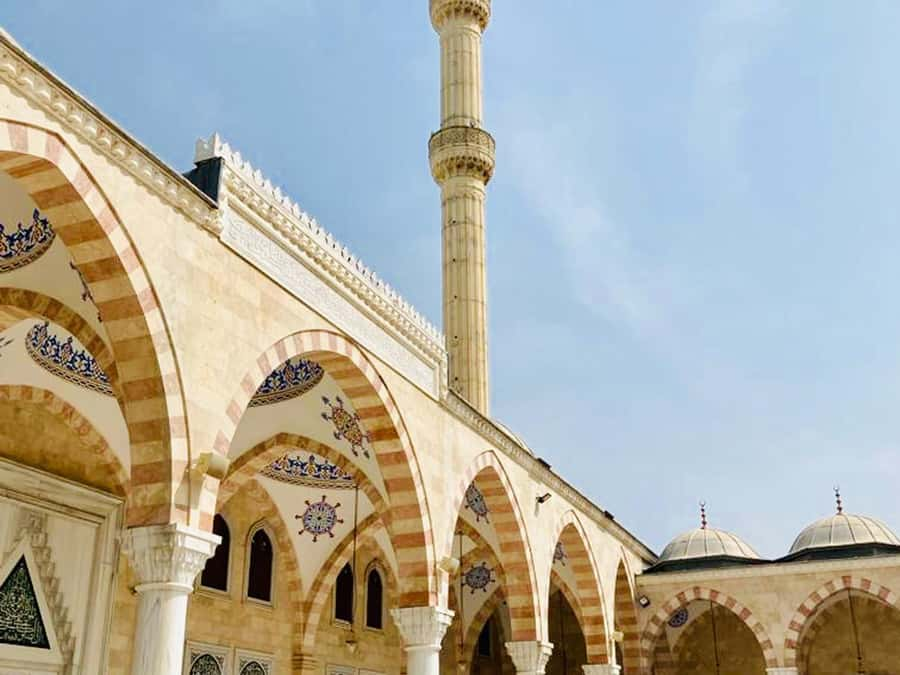
The last stop is the Accra International Art Centre, where you have time for souvenir shopping. This makes practical sense at the end of the route. You can browse after learning about the city rather than buying objects without any sense of their connection to Ghana.
The art centre also gives the day a different pace. After several hours of walking and listening, you can look around, consider gifts, and choose something to take home. The supplied details do not specify particular artists, prices, or products, so go with an open mind and compare items before buying.
This stop may appeal especially to first-time visitors who want to combine history with shopping. If your main interest is architecture, treat it as a useful final pause rather than the central reason to book the tour.
After the art centre, you return to your pickup point. Transportation is provided in a private vehicle, and entrance fees are included. Those details make the outing easier to manage than arranging separate rides between historic areas.
What $130 buys you
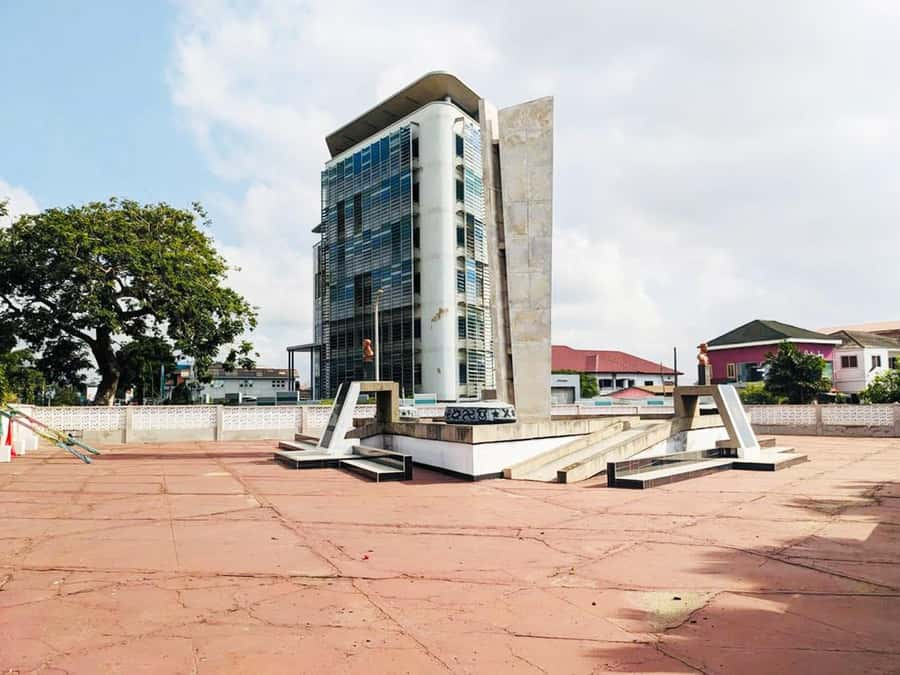
At $130 per person, this is not a bargain-priced city walk. The value depends on how much you want from the day.
You are paying for a six-hour outing, private vehicle transportation, an English or French-speaking guide, and entrance fees. You also get a route that joins several parts of Accra rather than focusing on one neighborhood. If you would otherwise need to arrange transport and find a local guide separately, the package is more convenient.
The price is harder to justify if you only want to see a few façades or take photographs. You could spend less on a shorter walk, but you would likely lose the broader comparison between Danish, Dutch, English, and local Ga influences.
The strongest reason to pay for this tour is interpretation. Accra’s architecture can be difficult to understand from appearances alone. A guide who explains the city’s heritage can turn a pleasant walk into a useful lesson about Ghana.
The experience has an overall rating of 3.9 from five submitted ratings. Four of those ratings gave five stars and praised the organization, friendliness, historical explanations, and care shown to a solo visitor. One low rating came from someone who could not attend this architecture tour and instead took a different food outing, so it does not provide a direct assessment of the architectural route. Still, it is sensible to confirm the exact plan and guide arrangements before you go.
A comfortable plan for a six-hour city outing
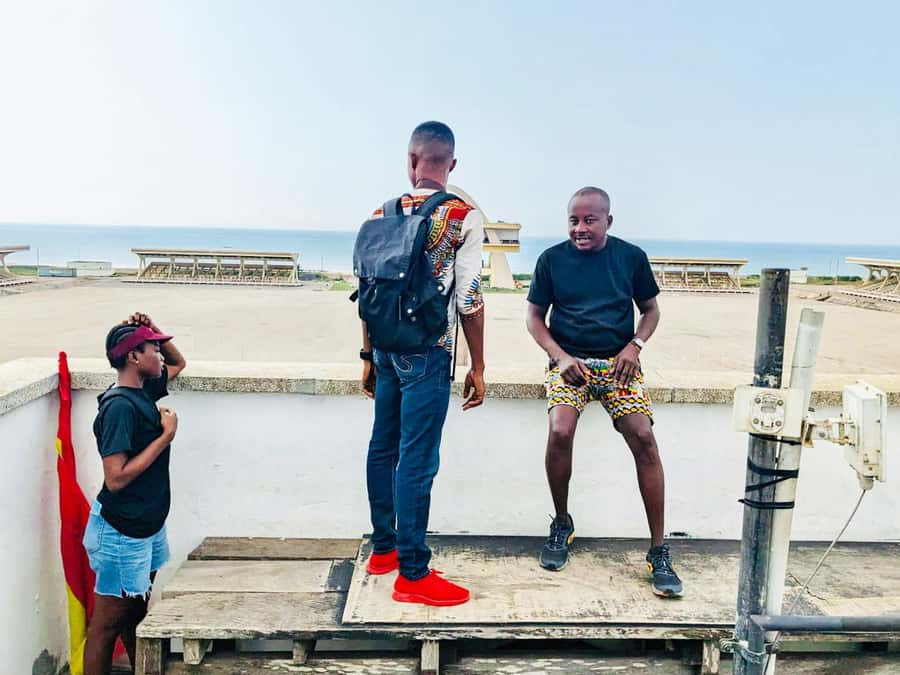
The tour is described as lasting six hours, with roughly three to four hours of walking. That distinction matters. You are not walking for six straight hours, but you should still prepare for a full day outdoors.
The private vehicle helps connect the neighborhoods and provides a break between walking sections. It also makes the route more practical for visitors who want to see several parts of Accra in one outing.
Bring water and wear shoes made for walking. Sunglasses, sunscreen, and a hat are not decorative extras in Ghana’s climate. Keep your passport or another ID card with you, as requested in the tour information, along with personal medication and a camera.
Wheelchair accessibility is listed, which is useful information for planning. Since the activity includes street walking through historic neighborhoods, you should still confirm the practical details of the route if you have specific mobility needs.
The tour offers free cancellation up to 24 hours before departure. You can also reserve now and pay later, which helps if your Accra schedule is still changing. Starting times depend on availability.
Who will enjoy this tour most
I would recommend this experience to you if you:
- Want to understand Accra through buildings and neighborhoods rather than only major attractions.
- Enjoy guided walking with history and local stories.
- Prefer a private vehicle between districts.
- Are curious about Danish, Dutch, English, and Ga influences on the city.
- Want time for art and souvenir shopping at the end.
- Are traveling alone and value a friendly, supportive guide team.
It is also a good fit for visitors with limited time in Accra. Six hours gives you a broad introduction without requiring separate half-day plans for Jamestown and the older European quarters.
You may want a different outing if your priority is food, nightlife, or entering a large number of historic buildings. This is an architecture and heritage tour first, with shopping added at the end.
Practical tips for getting more from the day
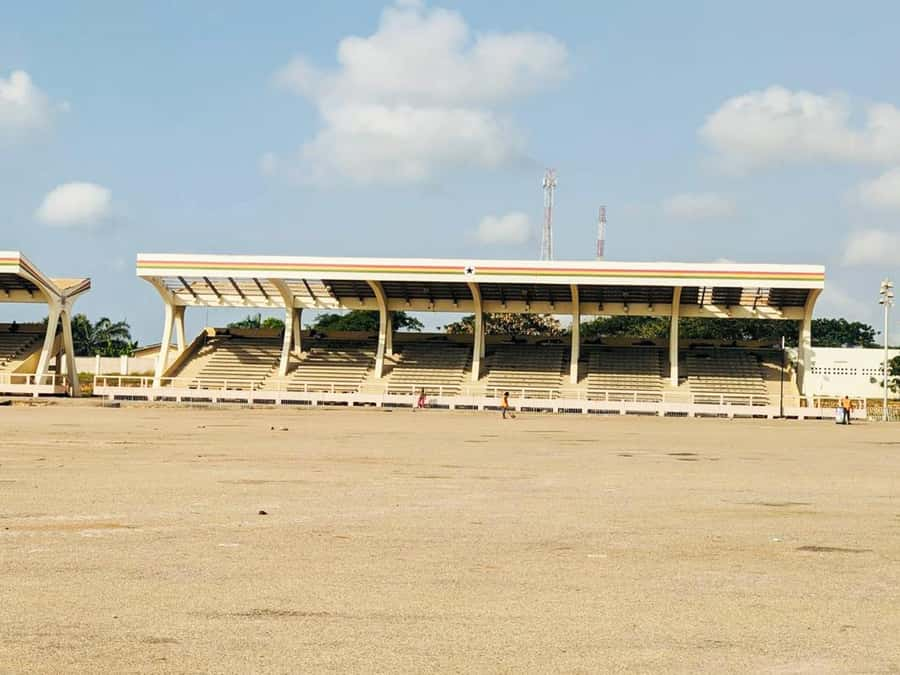
Before the tour, decide what you most want to notice. You might focus on old homes, colonial influence, local Ga architecture, or the way historic buildings sit beside present-day city life. A clear interest gives you better questions to ask your guide.
Take photographs, but do not let the camera replace observation. Look at doorways, balconies, façades, street plans, and the condition of the buildings. The most useful memories may be the connections your guide makes between places.
If you are a solo visitor, tell the team that when you meet them. The available feedback describes Abena, Princess, and Kwame as friendly and reassuring, particularly for someone traveling alone. That is a meaningful advantage when a city tour includes unfamiliar neighborhoods.
Use the art centre as a final chance to buy something, but do not feel rushed. The tour information confirms the stop, not a fixed amount of shopping time, so ask your guide how long you will have.
Should you book the Accra Architectural Tour?
Book it if you want a guided explanation of Accra’s old quarters and are willing to pay for private transport, several hours of guiding, and a broad route. The combination of Danish, Dutch, English, and Ga-Mashie locations gives you a more useful picture of the city than a single landmark visit.
I would be especially comfortable recommending it to first-time visitors, architecture fans, and solo travelers who want a friendly team. The main caution is the $130 price and the amount of walking. If you want a cheap photo stop or a formal indoor tour, this may not be the right choice. If you want to understand how Accra’s buildings connect to its people and past, it is a sensible way to spend half a day.
FAQ
Where does the Accra Architectural Tour take place?
The tour takes place in Accra in Ghana’s Central Region. It includes the Ga-Mashie neighborhood of Jamestown, areas associated with Danish, Dutch, and English influence, and the Accra International Art Centre.
How long does the tour last?
The full activity lasts six hours. The walking portion is described as approximately three to four hours, with transportation included between parts of the route.
What is included in the price?
The price includes transportation in a private vehicle, an experienced English-speaking tour guide, and entrance fees.
How much does the tour cost?
The listed price is $130 per person.
What languages are available?
Live guiding is listed in English and French. An audio guide is listed in English, French, and German.
Is the tour wheelchair accessible?
Yes. The activity is listed as wheelchair accessible.
What should I bring?
Bring sports shoes, comfortable clothes, sunglasses, personal medication, a camera, water, a passport or ID card, a hat, and sunscreen.
Can I cancel the tour for a refund?
Yes. You can cancel up to 24 hours in advance for a full refund.
Can I reserve the tour without paying immediately?
Yes. The reserve now and pay later option allows you to hold a place without paying at the time of booking.
New to the itinerary around the world
- Wilmington History and Architecture Tour★ 4.8 · 18 reviews
- Washington, DC: Georgetown Architecture Walking Tour★ 5.0 · 8 reviews
- Walk & Discover KL’s Architectural and Heritage Gems★ 5.0 · 7 reviews
- Washington DC: Dupont Circle & Embassy Row Architecture Tour★ 5.0 · 6 reviews
- New Orleans : Garden District Architecture Walking tour★ 4.8 · 5 reviews
- Unveiling Brno: History, Culture & Architectural Delights★ 5.0 · 2 reviews
- Vicenza: Palladian Architecture Private Walking Tour★ 3.3 · 3 reviews
- Private Colonial Williamsburg Architectural Tour★ 5.0 · 5 reviews