
Review · BARCELONA
Sant Pau Recinte Modernista Entrance Ticket in Barcelona
Sant Pau is not just another ornate Barcelona building. It is a former hospital city, built as a collection of pavilions connected by underground tunnels, where medical care once took place beneath colorful domes, mosaics, and stained glass. The contrast between serious hospital work and joyful Art Nouveau design makes this one of the city’s most unusual sights.
I like the freedom of a self-guided visit, which lets you linger over the tile work, gardens, and exhibits instead of being pushed along with a group. I also like the setting near the Sagrada Família and the generally quiet feel of the complex. You can see a great deal in about 90 minutes, though you should allow longer if you read everything or rent the audio guide.
The main drawback is that the route can be confusing. Signage is not always clear, and some visitors miss sections or find certain rooms closed. The admission ticket also does not include a guide or audio device, so budget another €4 if you want more help making sense of the site.
Key points to know before you go
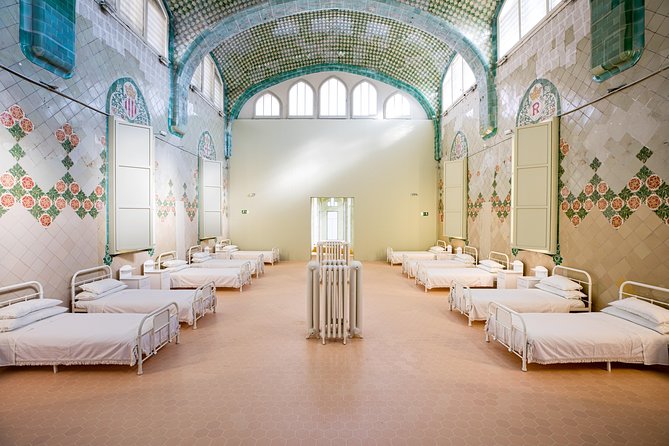
- A former hospital designed as a collection of pavilions: Sant Pau’s buildings were planned around gardens, fresh air, light, and patient care.
- Underground tunnels connect the visit: Walk through the tiled passages once used to move patients and supplies between buildings.
- The architecture is the main event: Look for mosaics, stained glass, sculptures, domes, frescoes, and detailed tile roofs.
- The visit is self-guided: A paper map helps, while an audio device costs €4 at the entrance.
- Prebooking protects your entry: The mobile ticket is useful during busy periods, even when the line on a particular day is short.
- Plan for 90 minutes or more: The complex is large, and rushing will mean missing small details.
Why Sant Pau feels different from Barcelona’s other Modernist sights
Barcelona is full of grand Modernist architecture, but Sant Pau offers a different kind of experience. You are not walking through a private mansion or a single showpiece apartment. You are exploring a working hospital complex that was planned around care, movement, light, and open space.
The Hospital de la Santa Creu i Sant Pau traces its institutional history back to 1401. The Modernist complex you visit today belongs to a later period, when architect Lluís Domènech i Montaner created a group of pavilions connected by tunnels and surrounded by gardens.
That purpose matters. Decorative details were not added only for show. The pavilions, gardens, and underground routes formed part of a carefully planned medical setting. The architecture was meant to create a more humane place for patients, with air, sunlight, and space between buildings.
You can still feel that idea as you walk around. The site is large enough to avoid the tight crowds found at some of Barcelona’s best-known attractions. It also gives you room to stop and study the walls, roofs, and sculptures without being pushed toward the next room.
More Entry Tickets around Barcelona:
- Barcelona: Park Güell and Gaudí House Museum Entry Ticket
★ 4.5 · 6,326 reviews - Barcelona: Gaudi’s Casa Vicens Skip-the-Line Entrance Ticket
★ 4.7 · 4,541 reviews - Barcelona: Gaudí’s Park Güell Tour with Fast-Track Ticket
★ 4.8 · 4,512 reviews
Starting at the Sant Salvador Pavilion
The visit begins with the Sant Salvador Pavilion, which introduces the long story of the Hospital de la Santa Creu i Sant Pau. The displays cover the institution from its founding in 1401 through its later development and into the 21st century.
This is an important first stop because Sant Pau can otherwise look like a collection of beautiful buildings without a clear purpose. The exhibition explains how the hospital changed over time and helps you understand why the Modernist complex was created.
An interactive touch table and video presentation add context about medicine and the artistic design of the site. If you prefer to move quickly, you can skim this section and spend more time outside. If you are interested in hospitals, public health, or social history, give it a proper look.
On the upper floor, you will find a contemporary installation shaped like a dragon. It pays tribute to Domènech i Montaner and his work in Catalan Modernisme. This provides a modern counterpoint to the historic architecture below and gives the introductory pavilion a clear visual focus.
The pavilions, gardens, and hospital design
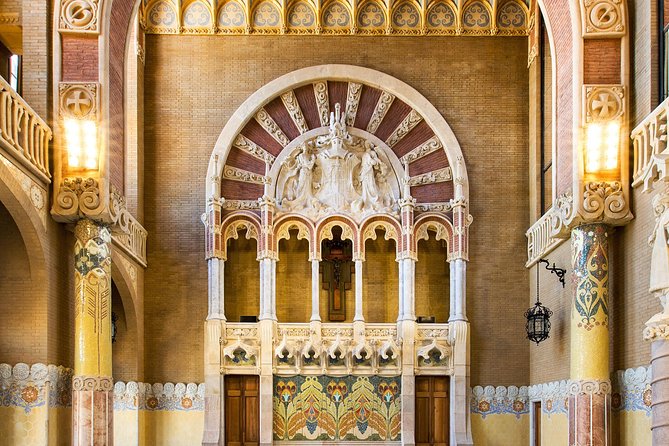
After the introduction, the visit opens into the network of pavilions and gardens. This is where Sant Pau makes its strongest impression. The complex uses repeated architectural details, but each building has its own character.
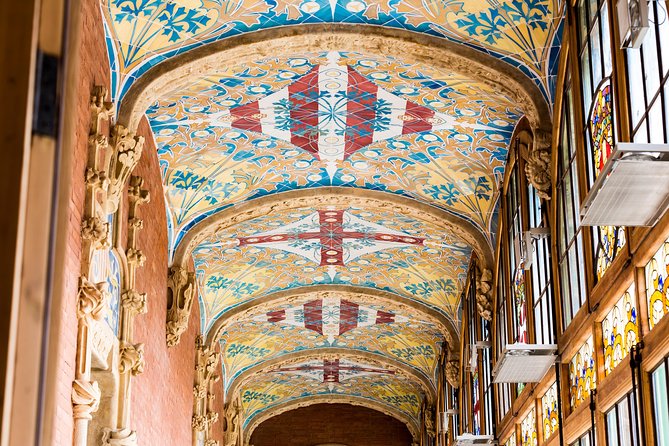
Look up often. The roofs and domes are covered with colorful tiles, while the exteriors include sculptures, mosaics, frescoes, and stained glass. Some of the finest details are easy to miss if you keep your eyes at street level.
The gardens are not just decorative. They help explain the original hospital plan. The pavilions were separated rather than packed into one enormous block, and the open spaces between them formed part of the medical environment.
You will also see how the restoration has brought the buildings back to their original beauty. Some visitors find it hard to picture the complex as a hospital because the decoration is so elaborate. That contrast is part of the appeal, but it also makes the displays about medical care especially useful.
The site is quiet compared with several major Barcelona attractions. You may find this a good place to slow your pace, sit for a moment, and take in the grounds. There are also indoor areas with seating and air conditioning, which helps on a hot day or during rain.
Walking the underground tunnels
The underground passages are one of Sant Pau’s most memorable features. These tiled tunnels connect the pavilions and lead out toward the gardens. They were used to move patients and supplies without sending every movement through the open areas.
The tunnels also make the hospital’s design easier to understand. From above, the complex can feel like a series of separate buildings. Below ground, you see the practical system that tied them together.
The tiled surfaces are beautiful, but the passages are not only a photo stop. They explain how the hospital worked. This is one reason the visit suits people who enjoy architecture with a practical purpose, rather than decoration alone.
Follow the map carefully here. The route is not always obvious, and some sections may be closed during your visit. A few people find the signs and directions hit-and-miss, so do not assume that every corridor or pavilion is immediately apparent.
More Architecture Tours around Barcelona:
- Barcelona: Sant Pau Recinte Modernista Entry Ticket
★ 4.6 · 2,567 reviews - Barcelona: Sagrada Familia, Modernism, and Old Town Tour
★ 4.7 · 1,621 reviews - Sagrada Familia & Gaudi Tour Private or Small Group with Tickets
★ 4.5 · 1,188 reviews - Complete Gaudi Tour: Casa Batllo, Park Guell & Sagrada Familia
★ 5.0 · 1,152 reviews
Sant Rafael Pavilion and the old Surgery Room
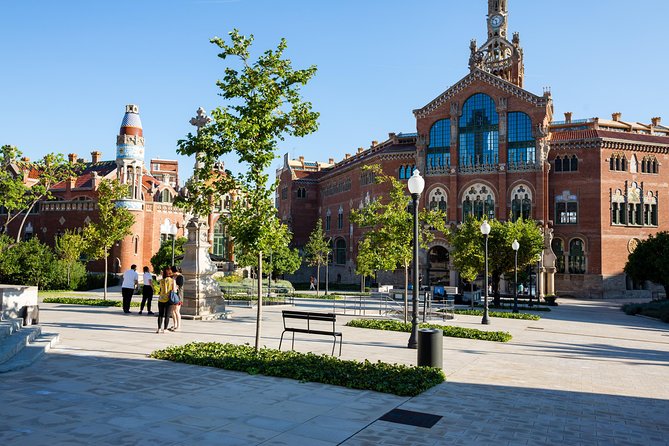
The restored Sant Rafael Pavilion brings you closer to the hospital’s medical past. It helps turn Sant Pau from an architectural visit into a place connected with real patients and treatment.
The old Surgery Room is another important stop. It is more direct and functional than the grand public areas, and that difference is useful. You can see the gap between the hospital’s decorative ideals and the practical demands of surgery and care.
If you are interested in medical history, give these rooms more time than you might at first expect. The site does not depend only on pretty façades. Its strongest story comes from seeing how the buildings served their original purpose.
Some displays explain medical care from roughly a century ago through more recent periods. The material is available in translated formats, including English, which makes it possible to follow the story without a guide.
The grand interior rooms
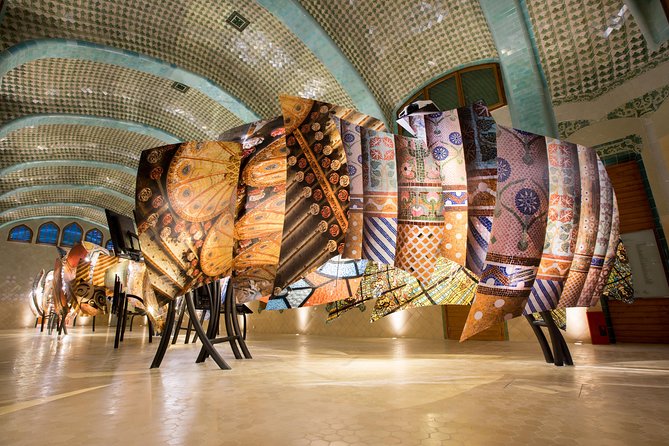
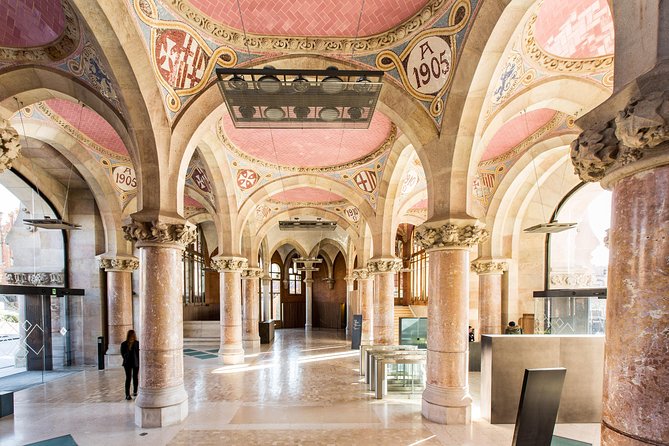
The Lluís Domènech i Montaner Room, Pau Gil Room, and Main Hall show the more formal side of Sant Pau. These spaces bring the decorative program indoors, with an emphasis on color, tile work, and carefully finished surfaces.
The Main Hall is especially useful for understanding the scale of the complex. After walking through smaller rooms and tunnels, you see how the hospital also needed impressive shared spaces for administration and public functions.
Take your time with the details rather than trying to photograph everything. The mosaics and tile patterns reward a slow look, and the overall effect can be easy to lose if you treat the visit as a checklist.
The lack of a live guide gives you freedom, but it also means you must create your own rhythm. The paper guide helps with orientation, and the audio device available for €4 can add useful explanations. Several people consider that small extra cost worthwhile, especially if you want to understand the symbolism and hospital planning.
Ending at the Sant Jordi Pavilion
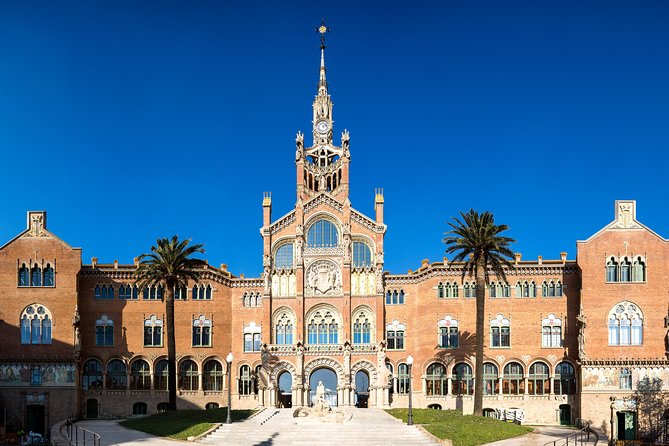
The Sant Jordi Pavilion hosts rotating temporary exhibitions. The exact content can change, so treat it as an added stop rather than the main reason to buy your ticket.
It is a good place to finish because it shifts the focus from the original hospital buildings to changing cultural material. If you have spent most of your time on the architecture, the temporary exhibition can provide a different pace at the end.
Do not judge the whole visit by this final pavilion alone. The permanent displays, tunnels, gardens, and restored rooms make up the core experience.
How much time should you allow?
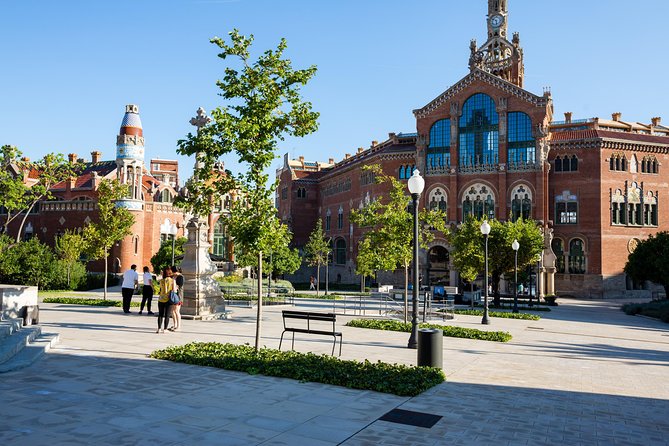
The stated visit length is about one to two hours. I would plan on roughly 90 minutes for a comfortable first visit, then add time if you want to read the displays, use the audio device, or take photographs.
A quick visit can cover the main pavilions and tunnels. A slower visit lets you compare the buildings, study the tile work, and understand the hospital’s development from 1401 into the modern era.
The site is large, so do not arrive expecting a ten-minute photo stop. You can move through it efficiently, but the details are the point. The people who enjoy Sant Pau most tend to be the ones willing to look above doorways, inspect the roofs, and read at least some of the medical displays.
Price, prebooking, and practical value
At about $21.78 per person, this is not Barcelona’s cheapest admission. The value depends on what you want from a museum visit.
If you care mainly about a quick look at the exterior, you may not feel the ticket is necessary. Much of the architectural impact comes from the façades, and a simple walk nearby gives you an idea of the complex’s scale.
The paid visit becomes worthwhile when you want access to the restored interiors, tunnels, exhibition spaces, old Surgery Room, and pavilions. You are paying for a full look at the former hospital, not only a view from the street.
Prebooking also has practical value. Entry is guaranteed, which matters during busier periods. On a quiet Monday, you might find little or no line, but that is not something you can count on. Some ticket holders have been allowed in earlier than the printed time when conditions permitted, though you should not depend on that flexibility.
The mobile ticket makes arrival simple. Show it at the entrance and begin at the Administration Pavilion. Food and drinks are not included, and there is no guide included in the basic ticket.
Getting there and handling the visit
Sant Pau is on Carrer de Sant Antoni Maria Claret in central Barcelona and is near public transportation. The Green line stop on the hop-on hop-off bus is directly outside, according to the practical information provided for the attraction.
The complex is also a short distance from the Sagrada Família, making it easy to pair the two sights in one part of the city. Be careful with your timing, though. Visiting both properly can take much of a day, especially if you stop for lunch or spend time reading.
Most people can take part, and service animals are allowed. If stairs are difficult for you, ask about lift access when you arrive. The route includes historic buildings and tunnels, and access to lifts may not always feel obvious.
Events can also affect the visit. A private or influencer event has sometimes blocked parts of the complex, so expect that not every room will always be open. This is a reason to keep your expectations flexible.
Who will enjoy Sant Pau most?
I would choose Sant Pau for anyone interested in architecture with a human purpose. It is especially good for people who like Barcelona’s Modernisme but want something quieter and less familiar than the city’s most famous houses.
It also suits visitors interested in hospitals, public health, and the development of medical care. The history is not presented as a dry list of dates. The buildings, tunnels, and rooms show how the institution worked.
Families may enjoy the colorful decoration and open grounds, though younger children may have limited patience for the historical displays. Photography fans will find plenty to study, particularly in the mosaics, tile roofs, sculptures, and stained glass.
You may want to skip it if your schedule is extremely tight or if you only want a guided experience. This is not a tour with a person leading you from stop to stop. You must use the map, choose your pace, and accept that the route can be slightly unclear.
Should you book the Sant Pau ticket?
Book it if you want to see an important Barcelona Modernist complex from the inside, especially if you enjoy architecture, medical history, and quieter sights. The combination of pavilions, gardens, tunnels, and restored rooms gives the visit more substance than a simple façade stop.
I would add the €4 audio device if you want the history to make more sense, since the basic ticket is self-guided. Prebook if your schedule matters or you are visiting during a busy period.
Skip it only if you are short on time, dislike self-guided museums, or plan to see only the exterior. For everyone else, Sant Pau is a strong two-hour addition to a Barcelona itinerary, particularly when paired with the nearby Sagrada Família.
FAQ
How much does the Sant Pau Recinte Modernista ticket cost?
The listed price is about $21.78 per person.
How long does the visit take?
The expected visit lasts about one to two hours. Around 90 minutes gives you time to see the principal buildings, tunnels, exhibits, and gardens without rushing.
Is the visit guided?
No. The admission ticket provides access for a self-guided visit and does not include a guide.
Is an audio guide included?
No. An audio device can be rented at the entrance for €4 each.
Is a mobile ticket available?
Yes. The experience provides a mobile ticket, which you can show when you arrive.
What buildings and rooms can I see?
The visit includes the Sant Salvador Pavilion, Sant Rafael Pavilion, the old Surgery Room, the Lluís Domènech i Montaner Room, the Pau Gil Room, the Main Hall, and the Sant Jordi Pavilion, subject to closures.
Can I see the underground tunnels?
Yes. The route includes underground tunnels connecting the pavilions and leading toward the gardens.
Is the attraction near public transportation?
Yes. Sant Pau is near public transportation, and the Green line stop on the hop-on hop-off bus is directly outside.
Can service animals enter?
Yes. Service animals are allowed.
Can I cancel for a refund?
Yes. You can receive a full refund if you cancel at least 24 hours before the experience start time. Changes or cancellations made less than 24 hours in advance are not accepted for a refund.
New to the itinerary around Barcelona
- Roman & Gotic & Gaudi in Barcelona: private walking tour★ 4.5 · 2 reviews
- Visit to the Modernist houses of the Americans★ 5.0 · 2 reviews
- Barcelona Gaudi Tour: Sagrada Familia, Casa Batllo & Casa Mila★ 5.0 · 4 reviews
- Barcelona Street Escape: Gaudi and the Hidden Treasure★ 5.0 · 17 reviews
- Gaudí & Catalan Modernism Private Walking Tour★ 5.0 · 11 reviews
- Self-Guided Audio Tour-The Surrealist Barcelona of Dalí and Gaudí★ 3.5 · 8 reviews
- Gaudi’s Casa Batlló and La Pedrera with Chocolate Tasting★ 5.0 · 5 reviews
- Gaudí and Barcelona Legends – Private Tour★ 5.0 · 4 reviews
Barcelona Architecture Tours, compared.
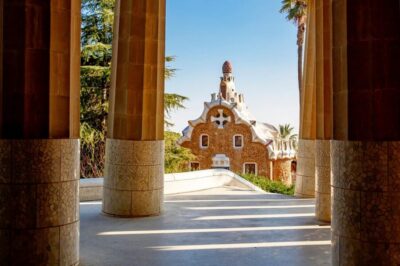
Park Güell and Gaudí House Museum Entry Ticket
Read our review →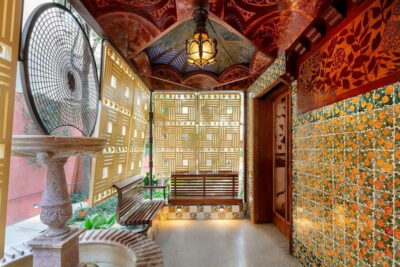
Gaudi’s Casa Vicens Skip-the-Line Entrance Ticket
Read our review →
Gaudí’s Park Güell Tour with Fast-Track Ticket
Read our review →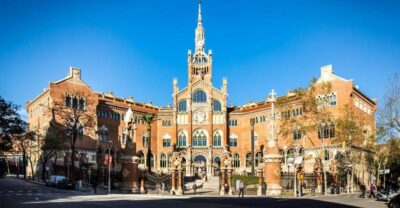

Sagrada Familia, Modernism, and Old Town Tour
Read our review →
Sagrada Familia & Gaudi Tour Private or Small Group with Tickets
Read our review →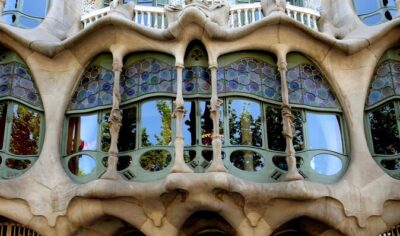
Complete Gaudi Tour: Casa Batllo, Park Guell & Sagrada Familia
Read our review →
Park Güell: Guided Tour with Optional Gaudí Experience Entry
Read our review →Other lists with this tour