
Review · BARCELONA
Barcelona: Discover Gaudi Architectural Guided Tour
Barcelona’s Gaudí story makes far more sense when you see it as part of a citywide conversation. On this three-hour morning walk, a practicing architect leads you past Casa Batlló, Casa Milà, Casa Calvet, and striking works by Domènech i Montaner and Puig i Cadafalch. The focus is not only on pretty façades. You learn how Barcelona grew, how its streets were planned, and how Gaudí’s ideas changed over time.
I like the architect-led approach, which brings engineering and social questions into the story. I also like the route’s variety: you get Gaudí, rival Modernisme architects, unusual courtyards, and the urban planning behind the Eixample rather than three hours of repeating praise for one famous man.
The main drawback is simple but important: you do not enter the buildings. If you want the tiled interiors of Casa Batlló or the rooftop of Casa Milà, book separate admission. This walk is best for seeing the city with sharper eyes.
Key points to know before you go
- A practicing architect leads the walk: Guides such as Pia, Daniela, and Tomasz explain design, structure, and city planning in clear terms.
- Three major Gaudí residences appear on the route: Casa Calvet, Casa Batlló, and Casa Milà each show a different stage of his work.
- Modernisme gets proper context: You also see Casa Lleó Morera, Casa Amatller, and the Antoni Tàpies Foundation.
- The route includes hidden courtyards: You learn how private interior spaces became public gardens and breathing room in the city.
- The tour is fully outdoors: Bring clothing for changing weather, and remember that no building interiors are included.
- You get a useful follow-up guide: The local team provides suggestions for drinks and more architecture to see around Barcelona.
Why an architect makes Gaudí easier to understand
Gaudí can be hard to read from the pavement. His buildings twist, bulge, sparkle, and seem to ignore the straight lines around them. A guide who works in architecture can point out the practical thinking beneath the show.
That matters because Gaudí was not simply decorating houses with colorful tiles. He was testing structure, light, ventilation, materials, and form. Pia, one of the guides, is praised for explaining his technological ideas as well as his visual style. That balance helps you see Casa Batlló and Casa Milà as working buildings, not just photogenic landmarks.
You also get a sense of Gaudí’s changing direction. Early work reflects social concerns and the needs of the people who commissioned him. Later, his attention turned more strongly toward religion and the divine. The walk follows that movement toward the image of Gaudí as the last great cathedral builder.
This is not a technical lecture aimed at architects. The guides adjust their level. You can ask about engineering, politics, social conditions, or environmental questions, and the discussion can stay clear without turning into a private seminar for specialists.
More Gaudí Tours in Barcelona:
- Barcelona: Park Güell and Gaudí House Museum Entry Ticket
★ 4.5 · 6,326 reviews - Barcelona: Gaudi’s Casa Vicens Skip-the-Line Entrance Ticket
★ 4.7 · 4,541 reviews - Barcelona: Gaudí’s Park Güell Tour with Fast-Track Ticket
★ 4.8 · 4,512 reviews
Starting at Passeig de Gràcia and Gran Via
The meeting point is beside the Joan Brossa sculpture in front of the Comedia Cinema, at the intersection of Passeig de Gràcia and Gran Via. This is a useful starting place because you are immediately in one of Barcelona’s most important architectural zones.
Passeig de Gràcia is more than a smart shopping street. Its broad scale and orderly blocks show the urban ambition behind modern Barcelona. From here, your guide explains the beginnings of modern urbanism and the ideas that shaped the Eixample.
The setting also helps you understand the competition among Barcelona’s leading architects. Wealthy families commissioned houses that could express their taste, status, and modern outlook. Architects responded with façades that were personal, theatrical, and technically inventive.
I like beginning here rather than jumping straight to Gaudí’s most famous building. You first learn how the city works. Then you can see why Gaudí’s choices were so unusual.
Reading Casa Lleó Morera and Casa Amatller
The route includes Casa Lleó Morera by Lluís Domènech i Montaner and Casa Amatller by Josep Puig i Cadafalch. These buildings are essential because they prevent Gaudí from becoming the only architect in your Barcelona story.
Casa Lleó Morera brings Domènech i Montaner’s decorative style into the discussion. Casa Amatller, with its distinctive façade, gives you a clear comparison with Gaudí’s work. You begin to notice how different architects handled ornament, symbolism, windows, balconies, and the relationship between a house and the street.
This comparison is one of the tour’s best features. Without it, you might label every unusual Barcelona building as Gaudí. With it, you see the Modernisme period as a lively exchange of ideas.
The Antoni Tàpies Foundation also appears among the examples of modern architecture. It broadens the route beyond the late nineteenth and early twentieth centuries and shows that Barcelona’s architectural story did not end with Gaudí.
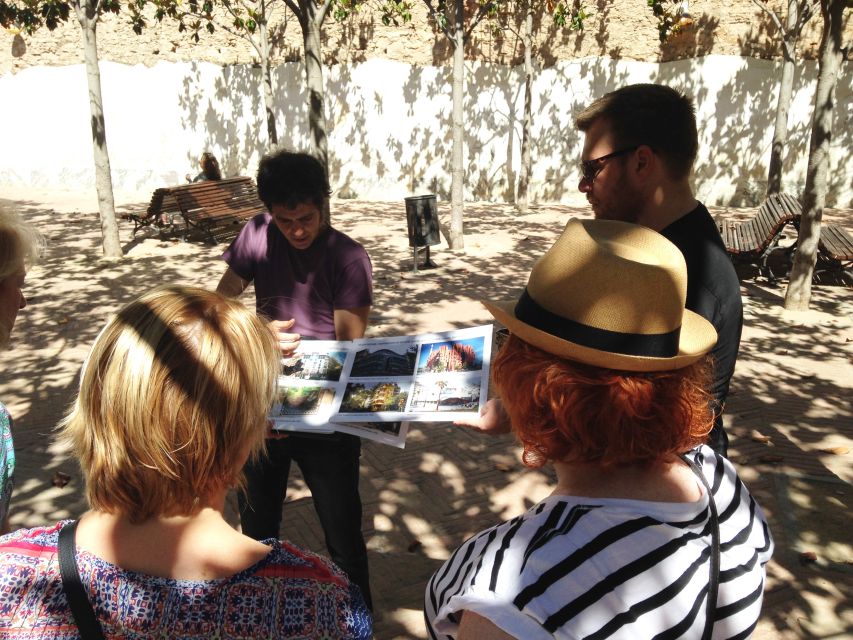
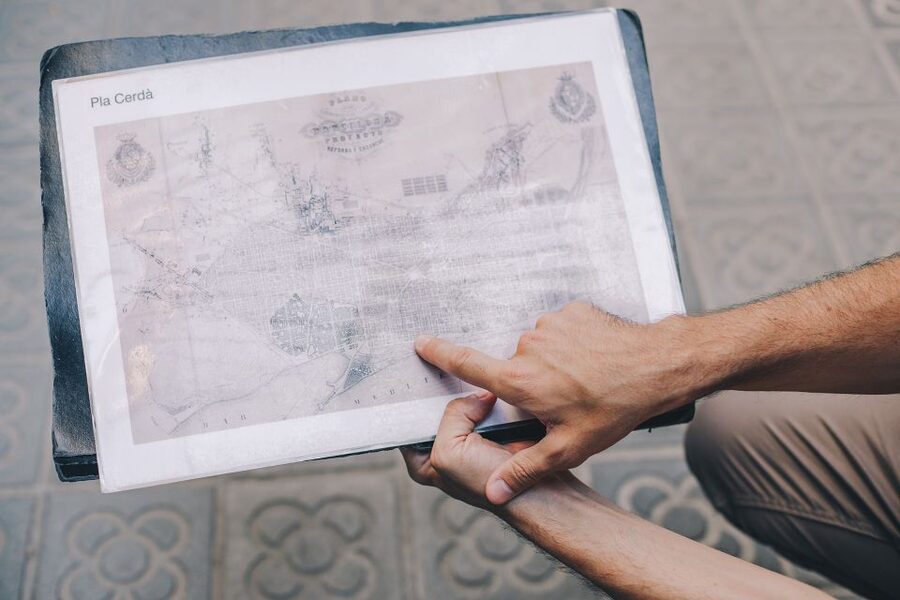
Your guide may use drawings, notes, or photographs to make the points clearer. Tomasz, for example, is praised for bringing visual aids and handling a large group with energy and control. These tools help when the detail is high up on a façade or when street traffic makes it hard to gather close.
Casa Calvet, Gaudí before the full fantasy
Casa Calvet offers a useful look at Gaudí before his residential work became fully expressive. It belongs in the tour because it shows a more restrained side of his design.
You can compare it with Casa Batlló and Casa Milà later in the walk. The progression makes Gaudí’s career easier to follow. Instead of treating his buildings as isolated miracles, you see a series of turning points.
The guide also connects Gaudí’s work to the people behind the commissions. His relationship with Eusebi Güell mattered greatly, and the tour discusses Güell’s last commission from Gaudí. This personal and professional context helps explain how Gaudí gained the freedom to pursue increasingly bold ideas.
The stop is viewed from outside, so you will not inspect the interior plan or decoration. Still, the façade becomes more useful once you know where it sits in Gaudí’s career.
More Guided Tours around Barcelona:
- Park Güell: Guided Tour with Optional Gaudí Experience Entry
★ 4.1 · 832 reviews - Barcelona: Gaudi’s Casa Vicens Guided Tour
★ 4.8 · 401 reviews - Barcelona: Casa Vicens, Pedrera, and Casa Batlló Guided Tour
★ 4.6 · 260 reviews - Guided Gaudí’s Trencadís Mosaic Workshop in Barcelona
★ 4.8 · 259 reviews
Casa Batlló and the power of visual storytelling
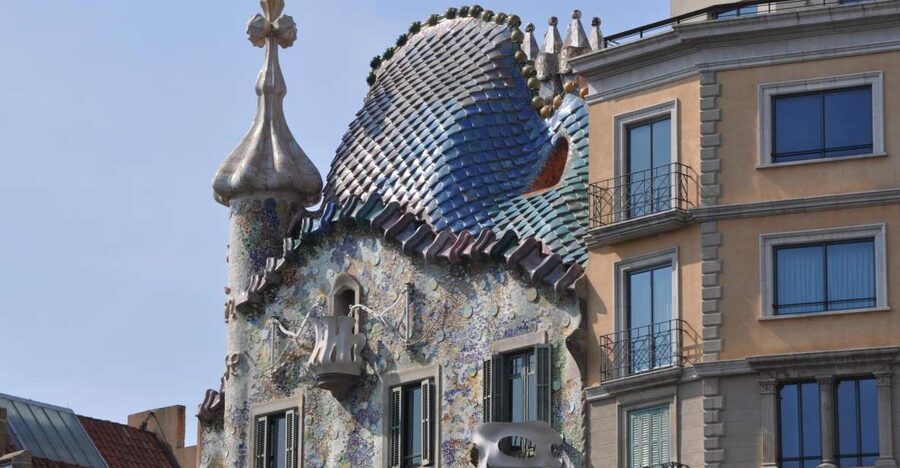
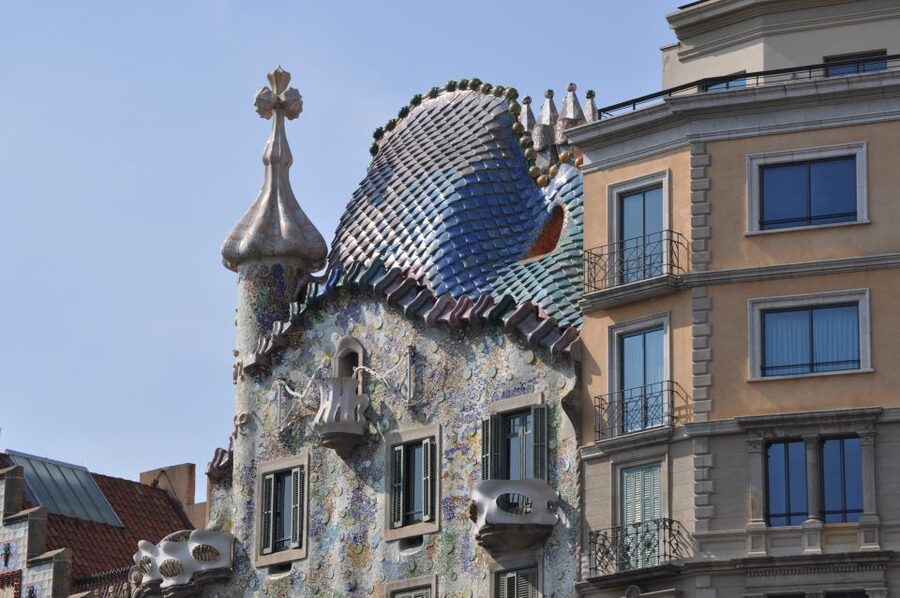
Casa Batlló is where Gaudí’s imagination becomes especially easy to spot. The façade has a dreamlike quality, with unusual surfaces, color, and forms that invite different readings.
The tour explains why Gaudí became such an inspiration for the Surrealists. His work does not merely imitate nature. It reshapes familiar things until they feel strange, playful, or almost alive.
You will probably spend time looking upward, so this is where a guide’s visual explanation matters. Details that seem random begin to look connected. Structure, light, decoration, and movement work together.
Do not expect entry to Casa Batlló. The famous interior rooms require a separate ticket, and this tour does not replace that visit. What it does provide is a stronger framework for deciding if the paid interior experience is worth adding to your Barcelona plans.
Casa Milà and Gaudí’s engineering ideas
Casa Milà, often called La Pedrera, shows Gaudí’s interest in flowing structure and flexible space. Its rough stone exterior contrasts with the more colorful effect of Casa Batlló.
This is a good place to connect beauty with engineering. The building was not made as a simple block with decoration stuck onto it. Gaudí was thinking about how the building stood, how rooms could be arranged, and how the façade could move away from rigid geometry.
One of the strongest parts of the experience is the way guides explain that Gaudí’s buildings were engineering achievements as well as visual works. That point can change how you look at the city for the rest of your visit.
Again, you remain outside. If the rooftop chimneys, courtyards, or interior apartments are high on your list, plan a separate visit. The walking tour gives you the architectural reading, not the full admission experience.
Hidden courtyards and the city behind the façades
The route includes hidden courtyards and explains how they became public gardens. This is one of the more unusual parts of the walk.
Barcelona’s blocks can look solid and crowded from the street. Interior courtyards reveal another side of urban planning. They show how space once controlled by private buildings could become useful public breathing room.
This stop connects architecture with daily life. You are not only looking at façades made for wealthy owners. You are learning about quality of life, access to open space, and the effort to make a dense city more livable.
The courtyards also give the walk a welcome change of pace. After studying grand façades on major streets, you get a closer look at the spaces between buildings. These smaller places can explain Barcelona’s urban logic better than another famous doorway.
From Sagrada Família beginnings to a Manhattan project
The tour reaches beyond the buildings directly in front of you. It covers Gaudí’s first architectural steps with the Sagrada Família and discusses a project he imagined for Manhattan.
That wider view keeps the tour from becoming a simple list of addresses. You learn about ambition, unfinished ideas, and the path that led Gaudí toward his later religious work.
The Sagrada Família is especially important as a turning point. Even if you already plan to visit the basilica separately, the guide’s explanation can help you place it within Gaudí’s career rather than seeing it as a stand-alone monument.
The Manhattan project is another reminder that Gaudí’s reputation extended well beyond Barcelona. The discussion shows the scale of his imagination and the kinds of ideas he was willing to consider, even when a project did not become part of the city.
What the three hours feel like
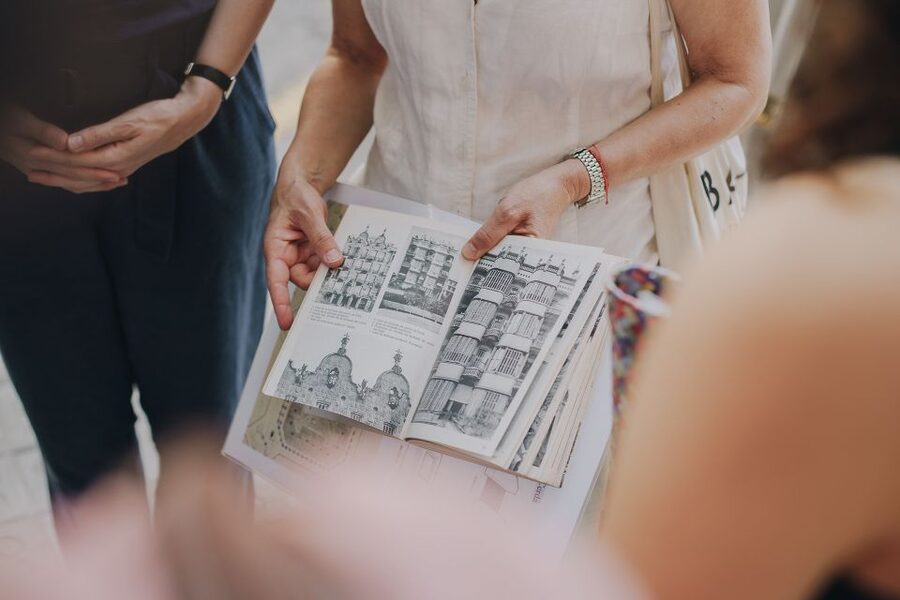
This is a walking tour, so comfortable shoes matter. The route lasts three hours and takes place in public streets and courtyards. You should expect regular stops for explanation rather than a fast march from one address to the next.
It is scheduled as a morning experience, which works well for two reasons. You get your architectural bearings early, then can revisit favorite buildings later or choose another Gaudí site with more purpose.
The pace is suited to people who want context. You will spend time listening, comparing façades, asking questions, and looking carefully. If you prefer a quick checklist of photo stops, this may feel slow.
The entire route is wheelchair accessible. Still, Barcelona’s busy streets can make group movement demanding, so it is sensible to arrive at the meeting point a little early and stay close to the guide.
The tour is in English. Guides have included Pia, Daniela, and Tomasz, though your assigned guide will depend on the date. Pia receives especially strong praise for connecting city planning, social questions, and architecture without losing the group.
The $53 price and what you get for it
At $53 per person, this is not a cheap way to pass three hours in Barcelona. The value depends on what you want from the morning.
You are paying for a specialist guide rather than admission to a major monument. The price includes the guided walk and an architectural city guide to keep afterward. It does not include entry to Casa Batlló, Casa Milà, Casa Calvet, or any other building.
I think the price is fair for visitors who want to understand Barcelona, not just photograph it. A practicing architect can help you notice structure, planning, materials, and historical change in a way a general sightseeing walk may not.
The value is less convincing if your only goal is to enter Gaudí’s buildings. In that case, put your budget toward admission tickets and use this walk only if you also want the wider city story.
At the end, the take-home guide includes suggestions for places to have a drink and more architecture to see. That is useful because the tour gives you a starting map for the rest of your stay.
Who should book this walk
I would choose this tour if you enjoy buildings but do not have formal training in architecture. The guides can discuss serious design issues without requiring you to know technical vocabulary.
It also suits visitors who want Barcelona’s social and urban story. Several guides connect architecture with the city’s development, quality of life, and public space. You come away better prepared to understand other neighborhoods and buildings.
Families with older children may enjoy the visual side, especially if they like unusual shapes and stories about how things are built. The three-hour length may be too much for very young children who are not interested in city streets.
This is also a good first or second-day activity. You get a framework for the Eixample and a short list of buildings worth seeing in greater detail.
Who may want a different Gaudí experience
Choose another activity if entering buildings is your priority. This route stays outside, and no interior tickets are included.
You may also want a more general city walk if you are not interested in architecture. Although the guides make the subject accessible, architecture remains the center of the experience.
Finally, consider your attention span. The tour includes history, urban planning, engineering, Modernisme, Gaudí’s religious development, and comparisons with other architects. That is a lot for one morning. It rewards curiosity, but it is not a light photo stroll.
Practical details for the morning
Bring weather-appropriate clothing. Barcelona’s weather is often pleasant, but the tour goes ahead in most conditions and is cancelled only when weather creates a safety risk.
Meet by the Joan Brossa sculpture outside the Comedia Cinema, where Passeig de Gràcia meets Gran Via. Check the available start times for your date, since the activity lasts three hours and begins in the morning.
The tour is wheelchair accessible. You can cancel up to 24 hours before the start for a full refund, and the reserve-now, pay-later option lets you hold a place without paying immediately.
Should you book the Barcelona Gaudí Architecture Walk?
Book it if you want to understand why Barcelona looks the way it does. The strongest part is not one single façade. It is the way the architect-guides connect Gaudí with Domènech i Montaner, Puig i Cadafalch, urban planning, engineering, public courtyards, and the city’s changing social goals.
The tour earns its $53 price through explanation and comparison, not entry tickets. You will see Casa Calvet, Casa Batlló, Casa Milà, Casa Lleó Morera, Casa Amatller, and the Antoni Tàpies Foundation from the outside, then leave with a better eye for Barcelona’s streets.
Skip it if you mainly want interiors or a quick list of landmarks. Choose it if you want to look up at those landmarks and understand what you are seeing.
FAQ
How long does the Barcelona Gaudí architecture tour last?
The walking tour lasts three hours.
What language is the tour in?
The live guided tour is conducted in English.
Where does the tour meet?
Meet beside the Joan Brossa sculpture in front of the Comedia Cinema, at the intersection of Passeig de Gràcia and Gran Via.
Which Gaudí buildings are included?
The route includes Casa Calvet, Casa Batlló, and Casa Milà.
Will I go inside the buildings?
No. The tour does not include entry inside the buildings.
Which other architectural sites are included?
You will see or discuss the Antoni Tàpies Foundation, Casa Lleó Morera by Domènech i Montaner, Casa Amatller by Puig i Cadafalch, and hidden courtyards.
Is the tour wheelchair accessible?
Yes. The entire tour is wheelchair accessible.
What should I bring?
Bring clothing suitable for the weather. The walk takes place outdoors, and tours are cancelled only when weather creates a safety risk.
Can I cancel or pay later?
You can cancel up to 24 hours in advance for a full refund. You can also reserve your place and pay later.
New to the itinerary around Barcelona
- Roman & Gotic & Gaudi in Barcelona: private walking tour★ 4.5 · 2 reviews
- Visit to the Modernist houses of the Americans★ 5.0 · 2 reviews
- Barcelona Gaudi Tour: Sagrada Familia, Casa Batllo & Casa Mila★ 5.0 · 4 reviews
- Barcelona Street Escape: Gaudi and the Hidden Treasure★ 5.0 · 17 reviews
- Gaudí & Catalan Modernism Private Walking Tour★ 5.0 · 11 reviews
- Self-Guided Audio Tour-The Surrealist Barcelona of Dalí and Gaudí★ 3.5 · 8 reviews
- Gaudi’s Casa Batlló and La Pedrera with Chocolate Tasting★ 5.0 · 5 reviews
- Gaudí and Barcelona Legends – Private Tour★ 5.0 · 4 reviews
Gaudí Tours, compared.
Park Güell and Gaudí House Museum Entry Ticket
Read our review →
Gaudi’s Casa Vicens Skip-the-Line Entrance Ticket
Read our review →
Gaudí’s Park Güell Tour with Fast-Track Ticket
Read our review →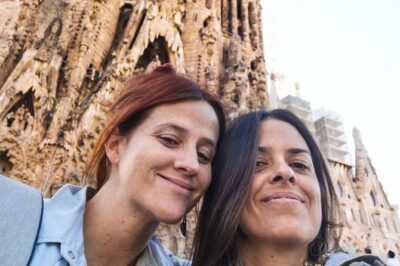
Sagrada Familia & Gaudi Tour Private or Small Group with Tickets
Read our review →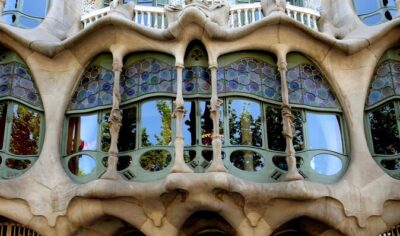
Complete Gaudi Tour: Casa Batllo, Park Guell & Sagrada Familia
Read our review →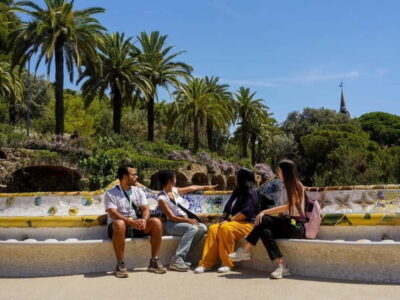
Park Güell: Guided Tour with Optional Gaudí Experience Entry
Read our review →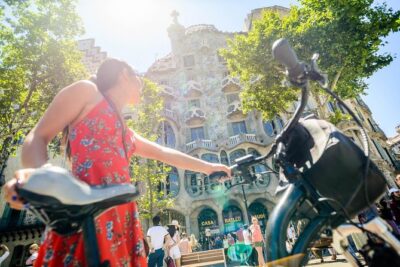
Barcelona e-Bike Tour: Gaudí & Old Town Small Group
Read our review →
Ramblas, Old Town, Gothic and Gaudi Architecture Walking Tour
Read our review →Other lists with this tour