Review · BARCELONA
Barcelona Architecture Walking Tour With Casa Batlló Upgrade
Barcelona’s great buildings make more sense when someone points out the symbols, rivalries, and small details hiding above eye level. This tour links Sant Pau, the Sagrada Família, and Passeig de Gràcia into one story about Catalan Modernism, rather than treating each façade as a pretty photo stop.
I like the route’s strong mix of major sights and less obvious details, especially Casa Macaya and the chocolate story at Casa Amatller. I also like the choice of a regular guide or an optional architect guide, with an upgrade for Casa Batlló’s interior and AR experience.
The main drawback is pace. You walk for about two hours, mostly outdoors, and the standard tour does not include entry to the buildings. If you want to go inside Casa Batlló, confirm that upgrade before booking.
Key points to know before you book
- Sant Pau begins the story: Explore the former hospital complex designed by Lluís Domènech i Montaner, with 27 buildings spread across a large site.
- Sagrada Família is viewed from outside: Your guide explains the symbols on its two façades and helps you read details you could easily miss.
- Passeig de Gràcia brings the architectural rivalry to life: See works linked to Gaudí, Domènech i Montaner, and Puig i Cadafalch.
- Casa Amatller adds a tasty local detail: Learn about Barcelona’s chocolate-making tradition, which began in 1797, and receive a chocolate sample.
- Casa Batlló entry is optional: The upgrade includes admission and an AR experience, while the regular tour focuses on the exterior.
- The guide makes the difference: Past guides named Alberto, Antogoni, and Victor were praised for clear storytelling, good photo timing, shady pauses, and useful Barcelona suggestions.
Why this Barcelona architecture walk works
Barcelona can feel like an open-air architecture museum, but a self-guided stroll often turns into a hunt for façades and camera angles. You see the famous buildings, yet miss the reason they look the way they do. This walk gives you a framework: healthcare, housing, religion, business, and family pride all shaped the city’s Modernist buildings.
The route lasts two to three hours, with about two hours of walking. It is offered as a private or small-group experience, and the guide speaks English. That format suits you if you want more give-and-take than a large coach tour, but do not expect a slow, sit-down lecture.
I especially like that the route begins at Sant Pau rather than rushing straight to Gaudí. Lluís Domènech i Montaner was one of the key figures in Catalan Modernism, and his former hospital gives you a useful starting point. From there, the walk shows that Barcelona’s architectural story is bigger than one famous architect.
Past departures have included guides named Alberto, Antogoni, and Victor. Alberto was praised for pointing out features that would have gone unnoticed, while Antogoni was noted for choosing shady spots and good times for photographs. Victor also offered suggestions for places to visit later, including a flamenco bar. Guides vary, but these details show the sort of practical help that can make a walking tour feel personal.
More Walking Tours in Barcelona
- Ramblas, Old Town, Gothic and Gaudi Architecture Walking Tour
★ 5.0 · 723 reviews - Barcelona 1.5h Private Old Town, Gothic & Ramblas Walking Tour
★ 5.0 · 318 reviews - Barcelona: Ramblas, Old Town & Gaudí Houses Walking Tour
★ 4.9 · 239 reviews
Starting at Sant Pau’s former hospital
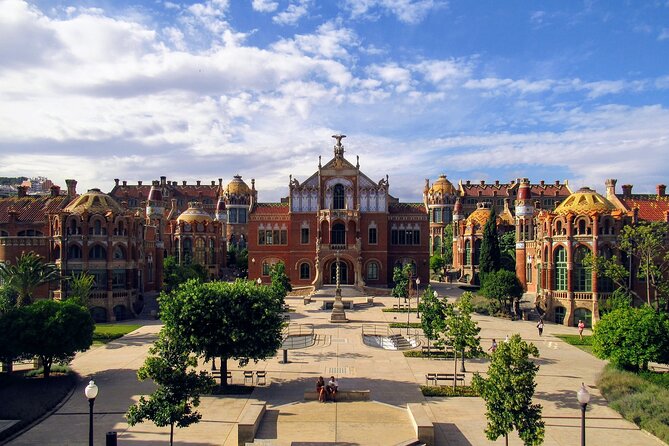
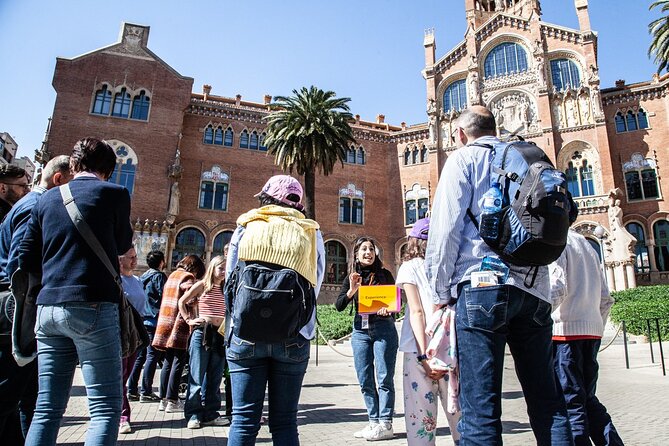
The tour starts at the Recinte Modernista de Sant Pau, a former hospital complex designed by Domènech i Montaner. It is made up of 27 buildings and is described as the largest Art Nouveau site in the world.
That scale matters. Instead of seeing one decorated city house, you get a full institution shaped around beauty, light, and careful design. The complex was created for healthcare, yet it was not treated as a purely practical place. Decorative surfaces and graceful forms were part of the experience.
Your guide leads you through the site and explains its role in Barcelona’s Modernist movement. Look for the way the buildings work together as a planned complex, rather than as isolated showpieces. This is also a good place to begin because it introduces Domènech i Montaner before you encounter his work again on Passeig de Gràcia.
The exact access included in your booking matters here. Entry to buildings is not generally included, so check the option you select if you want interior access. The experience can still give you a useful view and explanation from the complex, but do not assume this is a full admission tour of every building.
Walking Avinguda Gaudí to the Sagrada Família
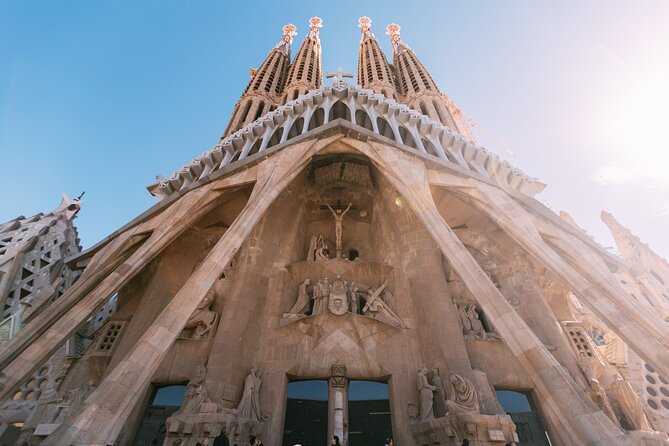
From Sant Pau, the route follows Avinguda Gaudí toward the Sagrada Família. This connecting walk gives you time to shift from hospital design to religious architecture, while keeping the city’s Modernist thread intact.
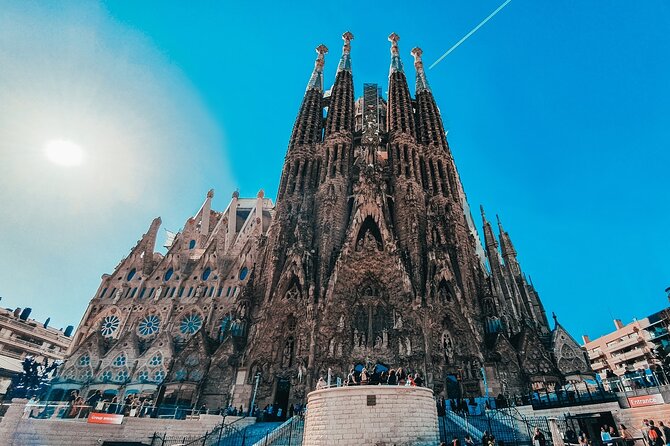
The Sagrada Família is the visual center of the tour. You see it from outside and from several angles, with the guide explaining the symbols carved into its two façades. That is one of the best reasons to take this walk instead of simply stopping for a photograph.
Gaudí’s work can look chaotic at first glance. A guide helps you sort the symbols, figures, and decorative choices into a story. You will hear about the meaning built into the façades and gain a better sense of how the building communicates through sculpture and design.
There is no listed interior admission for the standard experience. If entering the basilica is a priority, this tour should be paired with a separate ticket or another booking that specifically includes entry. Here, the value is the outside interpretation and the chance to view the building from more than one position.
The stop also shows why a guide who pays attention to photography can help. The Sagrada Família is difficult to take in all at once, and your best view changes as you move around it. One guide, Antogoni, was praised for knowing good times for photographs and for making regular stops in shady places. That is useful in warm weather, when the sun can make a long outdoor explanation tiring.
Passeig de Gràcia and the Modernist rivalry
After the Sagrada Família, the tour continues to Passeig de Gràcia, one of Barcelona’s grandest avenues and the main stage for the city’s Modernist architecture. This is where the walk becomes a lesson in comparison.
You see buildings connected with Antoni Gaudí, Domènech i Montaner, and Josep Puig i Cadafalch. Their façades sit close together, making it easier to compare how each architect used stone, color, curves, balconies, ornament, and sculpture.
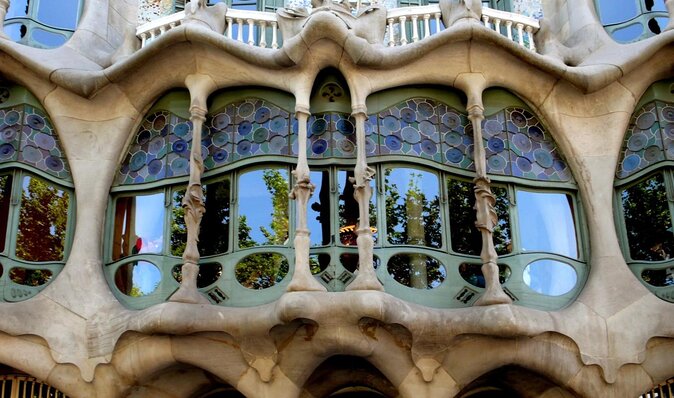
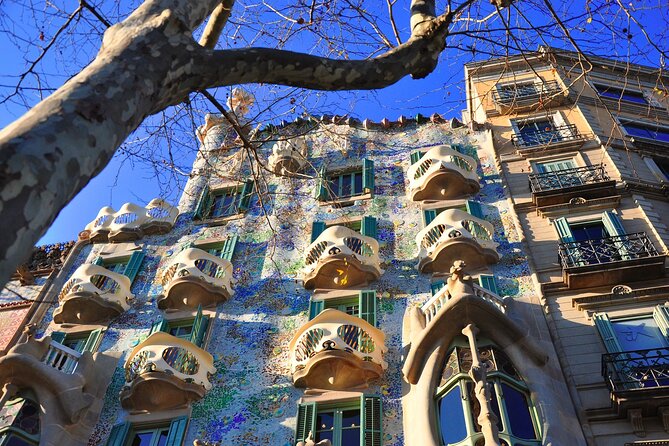
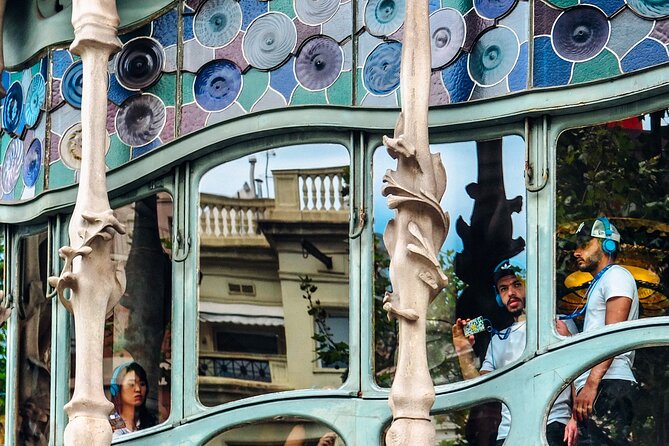
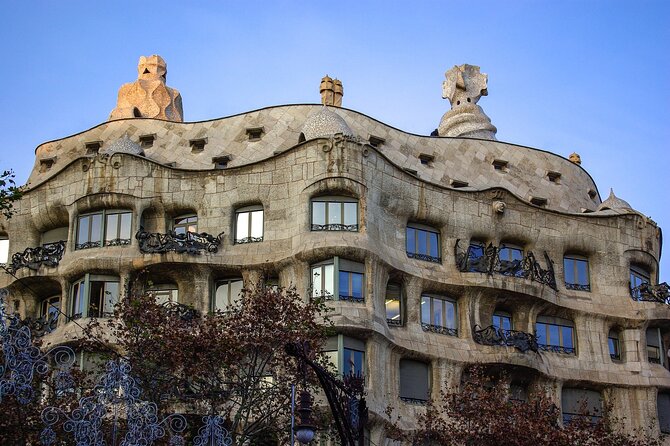
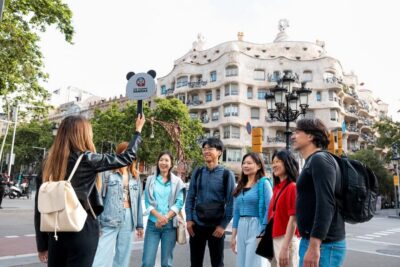
The route includes Casa Milà, better known as La Pedrera, and Casa Batlló. Both are associated with Gaudí, but they give very different impressions. Casa Milà has a heavy, wave-like exterior, while Casa Batlló is more playful and detailed. From the street, you can study their silhouettes and decorative surfaces without paying separate entry fees.
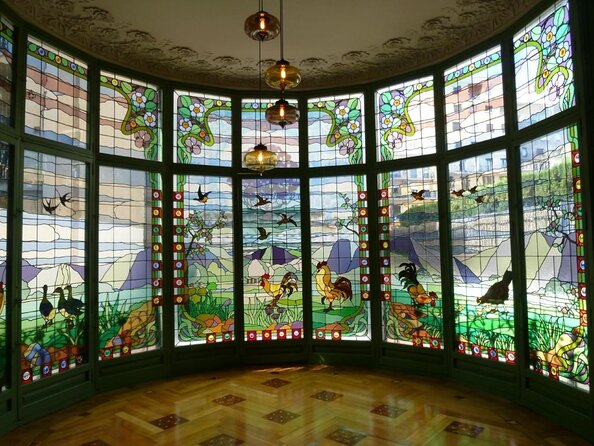
Casa Lleó Morera, designed by Domènech i Montaner, adds another style to the comparison. The building is now occupied by the luxury fashion store Loewe and is considered one of Barcelona’s best-preserved Modernist buildings. Its stained glass, mosaics, sculptures, and woodwork are the details to watch for.
Because the building has a current commercial use, the tour focuses on what can be appreciated from the outside. You should not count on entering all the buildings along the avenue. Still, the guide’s explanation helps you notice the craftsmanship in places you might otherwise pass without a second look.
This part of the route is also where the group format matters. Passeig de Gràcia is a major city avenue, and stopping to look upward can be awkward in a large crowd. A private or small-group option gives you a better chance to hear the guide and ask why one building differs from the next.
More Walking Tours in Spain
- Barcelona Architecture Walking Tour With Casa Batlló Upgrade
★ 5.0 · 137 reviews - Treasures of Barcelona: Private Gaudi Walking Tour
★ 5.0 · 128 reviews - Night Tapas Walking Tour in Barcelona Modernist Area with Small Group and Dinner
★ 4.5 · 56 reviews - Private Barcelona Modernism and Gaudí Walking Tour
★ 4.7 · 54 reviews
Casa Amatller and Barcelona’s chocolate tradition
Casa Amatller is one of the more distinctive stops on the avenue. The tour explains the Barcelona chocolate-making process connected with the Amatller family, a tradition that began in 1797.
That detail gives the architecture a human and commercial side. These grand homes were not simply artistic experiments. They were tied to successful families, business, taste, and the desire to make a public mark on one of Barcelona’s most important streets.
You receive a chocolate sample at Casa Amatller. A larger selection from the chocolate shop is not included, so budget separately if you want to buy more. I like this small stop because it breaks up the architectural discussion with something tied to the building’s identity, rather than adding a random snack.
It also gives you a clear example of how Barcelona’s Modernism mixed art with everyday life. A façade could advertise status, express family history, and create a memorable address all at once.
Casa Batlló: exterior viewing or a fuller upgrade
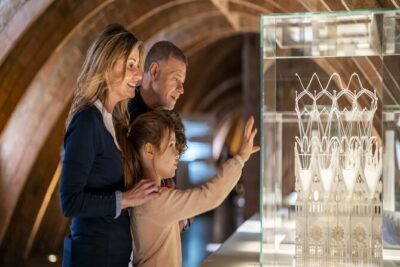
Casa Batlló is included in the architectural discussion, but the way you experience it depends on the option you book. The regular walking tour covers the building from the outside. The optional upgrade includes admission to the interior and an AR experience.
That upgrade is worth considering if Casa Batlló is high on your list. The outside is richly detailed, but an interior visit lets you see how the design continues beyond the façade. The AR component adds another layer to the visit and may help you understand features that are harder to picture from the street.
The upgrade may also suit you if this is your only organized architecture experience in Barcelona. You get the walking explanation first, then a more focused visit to one of Gaudí’s best-known buildings. On the other hand, if you already have Casa Batlló tickets or want to keep costs low, the standard exterior stop still works well.
The listed price is $34 per person. At that price, the regular version is best viewed as a guided orientation to Barcelona’s Modernist center, not as a building-entry package. You are paying for the route, local guide, explanations, and help spotting details. Entry to buildings is generally not included, so compare the total cost with your plans for the Sagrada Família, Sant Pau, or Casa Batlló.
An architect guide is also available as an upgrade. Choose it if you want more technical explanation about design and construction. For a first visit, a strong local guide may be enough. If you have a serious interest in architecture, the upgrade should make the route more rewarding.
How demanding is the walk?
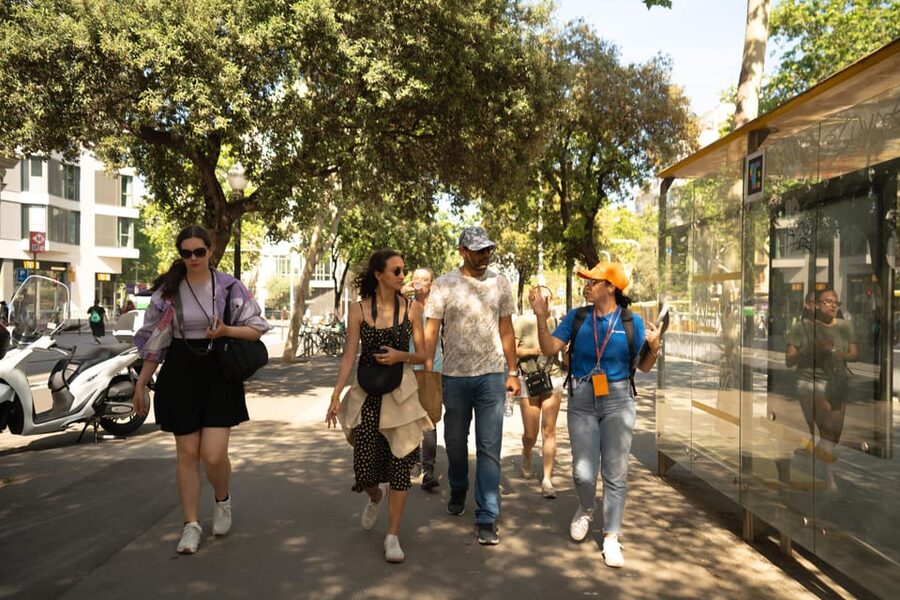
The tour involves about two hours of walking and takes place rain or shine. Comfortable shoes are essential. You will be outdoors for much of the experience, so weather can affect how enjoyable the stops feel.
The route is wheelchair accessible, but the exact conditions of each booked option can vary. Check the meeting point and selected format when you reserve. The start point may change depending on the option you choose.
The experience is available as a private or small-group tour. A private tour gives you more control over questions and pace. A small group usually keeps the price more manageable while still offering a more focused setting than a large sightseeing group.
The activity is conducted in English. Optional audio guide languages are listed as English, Catalan, French, Italian, Russian, Korean, Chinese, German, Spanish, Japanese, Polish, and Dutch. Confirm how the audio option applies to your chosen booking before relying on it.
You can cancel up to 24 hours in advance for a full refund, and reserve now while paying later. Those terms help if your Barcelona schedule is still shifting.
Who should book this architecture tour?
I would recommend it to anyone who wants context before visiting Barcelona’s Modernist buildings independently. It is especially useful for first-time visitors who plan to walk around the Sagrada Família and Passeig de Gràcia but do not know what details deserve attention.
It also suits couples, families with older children, and small groups who prefer a human guide over reading long information panels. The chocolate sample at Casa Amatller adds a light moment for children, while the architecture gives adults plenty to discuss.
You may want something else if your main goal is interior access. The standard tour does not include general building entry, and the Sagrada Família is viewed from outside. In that case, book the Casa Batlló upgrade and arrange separate admission for any other interiors you want to visit.
I would also think twice if you dislike walking in open city streets or need long pauses. The route is not presented as a slow-paced seated tour. The ability to stop in shady areas helps, but the day’s weather still matters.
Should you book it?
Book this tour if you want Barcelona’s architecture to become easier to read, not just easier to photograph. The strongest parts are the Sagrada Família symbolism, the comparisons along Passeig de Gràcia, and the guide’s eye for details that you could miss alone.
The $34 price is fair for a two to three hour guided introduction, provided you understand that building entry is mostly separate. Choose the architect guide or Casa Batlló upgrade if you want more depth. Stick with the standard walk if you mainly want orientation, outdoor views, and a clear story connecting Sant Pau, Gaudí, and the Modernist architects who shaped the city.
FAQ
How long does the Barcelona architecture tour last?
The tour lasts about two to three hours and includes roughly two hours of walking.
Where does the tour begin?
The listed starting point is the Recinte Modernista de Sant Pau. The exact meeting point may vary depending on the option booked.
Does the tour enter the Sagrada Família?
No. The Sagrada Família is viewed from outside, with the guide explaining symbols on its two façades.
Is Casa Batlló admission included?
Casa Batlló admission is included only with the optional upgrade. The upgrade also includes an AR experience.
Is an architect guide available?
Yes. You can choose an expert architect guide as an optional upgrade.
What languages are available?
The live tour guide speaks English. Optional audio guide languages include English, Catalan, French, Italian, Russian, Korean, Chinese, German, Spanish, Japanese, Polish, and Dutch.
Is the tour wheelchair accessible?
Yes, the activity is listed as wheelchair accessible. Check the specific option and meeting point when booking, since details may vary.
More Casa Batllo and La Pedrera Tours around Barcelona
- Barcelona: Gaudi’s Casa Vicens Skip-the-Line Entrance Ticket
★ 4.7 · 4,541 reviews - Complete Gaudi Tour: Casa Batllo, Park Guell & Sagrada Familia
★ 5.0 · 1,152 reviews - Gaudi´s Casa Vicens Skip the Line Ticket with Audioguide
★ 4.5 · 685 reviews - Barcelona: Gaudi’s Casa Vicens Guided Tour
★ 4.8 · 401 reviews
New to the itinerary around Barcelona
- Roman & Gotic & Gaudi in Barcelona: private walking tour★ 4.5 · 2 reviews
- Visit to the Modernist houses of the Americans★ 5.0 · 2 reviews
- Barcelona Gaudi Tour: Sagrada Familia, Casa Batllo & Casa Mila★ 5.0 · 4 reviews
- Barcelona Street Escape: Gaudi and the Hidden Treasure★ 5.0 · 17 reviews
- Gaudí & Catalan Modernism Private Walking Tour★ 5.0 · 11 reviews
- Self-Guided Audio Tour-The Surrealist Barcelona of Dalí and Gaudí★ 3.5 · 8 reviews
- Gaudí and Barcelona Legends – Private Tour★ 5.0 · 4 reviews
- Gaudi’s Casa Batlló and La Pedrera with Chocolate Tasting★ 5.0 · 5 reviews
Casa Batllo and La Pedrera Tours, compared.
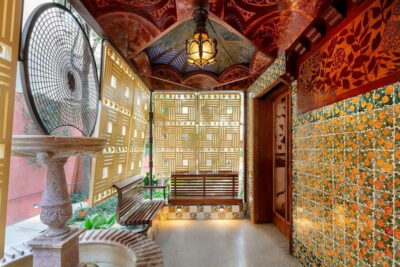
Gaudi’s Casa Vicens Skip-the-Line Entrance Ticket
Read our review →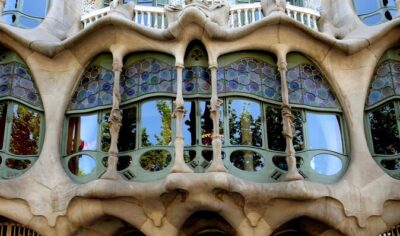
Complete Gaudi Tour: Casa Batllo, Park Guell & Sagrada Familia
Read our review →
Casa Vicens, Pedrera, and Casa Batlló Guided Tour
Read our review →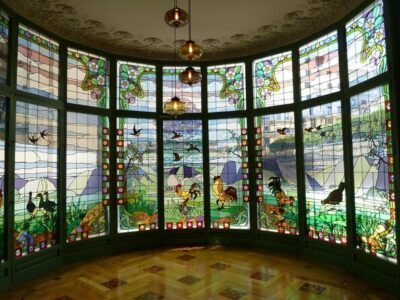
Barcelona Architecture Walking Tour With Casa Batlló Upgrade
Read our review →
Sweet Gaudi: the most delicious visit to Casa Vicens
Read our review →
Barcelona Gaudi Houses Tour: Casa Vicens, Pedrera & Casa Batlló
Read our review →