
Review · SPAIN
Alcoy Walking Tour on the Modernist Route
Alcoy’s Modernist Route turns a mountain city’s streets into a lesson in industry, architecture, and daily life. You’ll see how 19th-century factories and working conditions helped shape the city, then look up at the ornate buildings that followed. The visit to Circulo Industrial is a particular draw, since access is exclusive and arranged by the guides.
I like the tour’s private format and its clear focus on Alcoy rather than a quick checklist of sights. I also like the mix of Modernist, Secessionist, and Neoclassical architecture, plus the chance to cross the Art Deco style Viaducto Bridge. The main consideration is pace: three hours on foot and a moderate fitness level are required, with no food or drinks included.
Key points to know before you book
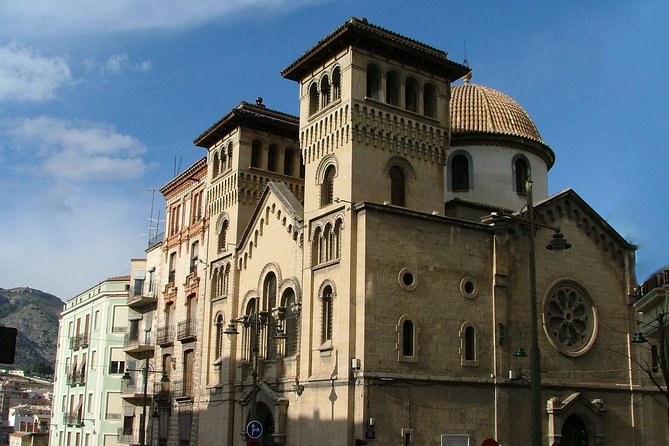
- Circulo Industrial is the architectural highlight: This early 20th-century Modernist building receives about 30 minutes of the route, with entry arranged through the tour.
- The story goes beyond pretty façades: You’ll learn how the Industrial Revolution affected Alcoy and its residents during the 19th century.
- The private price works best for a group: The cost is $215.26 for up to 15 people, making the per-person value much better when shared by a family or group of friends.
- The route covers several architectural styles: Expect Modernist, Secessionist, and Neoclassical buildings rather than one uniform design period.
- The Viaducto Bridge links two sides of Alcoy: Its Art Deco character and height above the riverbed make it one of the city’s most memorable sights.
- Jordi and Ana are connected with the tour: Their personal handling of the Circulo Industrial visit receives special praise, so ask for them when confirming your booking if available.
Why Alcoy makes a good architecture stop
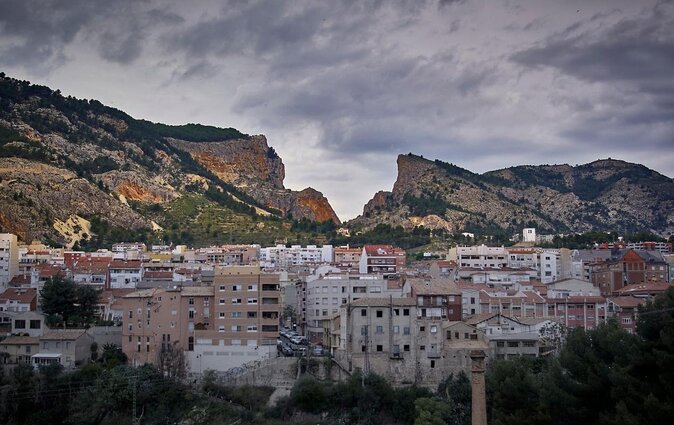
Alcoy is easy to overlook when you are based in Alicante or Benidorm. It sits inland, away from the coast, and its appeal is less about a grand single monument than about how the city fits together. The old streets, bridges, industrial story, and decorative buildings form one connected visit.
That connection matters. You are not simply looking at balconies and stonework. You are seeing the physical result of a city changed by factories, commerce, and new wealth. The tour explains how the Industrial Revolution affected residents in the 19th century, including working conditions and the social changes tied to industry.
I find that context useful because Modernist architecture can otherwise become a parade of names and façades. Here, the buildings have a reason for being there. Alcoy’s design reflects a city that was growing, making money, and trying to express its new place in the world.
The route also gives you a look at Alcoy as a living city rather than a museum set. Its ancient streets are part of the daily town, while the grander buildings point to another period of ambition. That contrast gives the walk some bite.
More Walking Tours in Spain
- Ramblas, Old Town, Gothic and Gaudi Architecture Walking Tour
★ 5.0 · 723 reviews - Barcelona 1.5h Private Old Town, Gothic & Ramblas Walking Tour
★ 5.0 · 318 reviews - Barcelona: Ramblas, Old Town & Gaudí Houses Walking Tour
★ 4.9 · 239 reviews
Starting at Tourist Info Alcoi at 9:30 am
The tour begins at Tourist Info Alcoi, Plaça Espanya, 14, at 9:30 am. It ends back at the same meeting point, which is useful if you want to continue exploring on your own afterward or keep your transport plans simple.
A morning start makes sense for a walking route. You have the rest of the day free, and the three-hour schedule leaves enough time to hear the story without turning the visit into a rushed architectural sprint. Still, plan to stay on your feet for most of the experience. The physical requirement is described as moderate, so this is not the best choice if you want a seated introduction to the town.
You receive a mobile ticket, and the experience is private. Only your own group takes part, with a maximum of 15 people. That format gives you more room to ask questions than a large public walk, although the value changes sharply depending on group size.
At the full capacity of 15 people, $215.26 works out at about $14.35 per person. For two people, the same tour costs more than $107 each, so couples should consider the privacy and professional guiding part of the price before booking. For a family or group of friends, the cost becomes much easier to justify.
Circulo Industrial and Alcoy’s new century
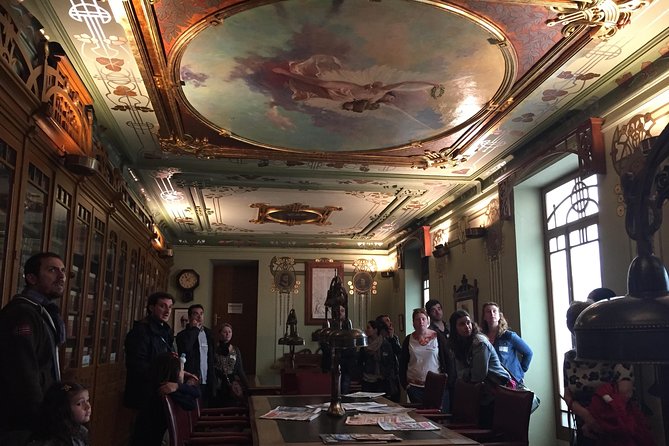
The stated itinerary gives Circulo Industrial about 30 minutes, and this is the most clearly defined stop on the tour. The building dates from the beginning of the 20th century and represents the Modernist style that gives the route its name.
The important detail is access. Entry is exclusive and managed by Jordi and Ana, a feature specifically praised in the tour’s strongest feedback. That means Circulo Industrial is not just something you view from the pavement. You have the chance to enter and examine the building more closely as part of the guided visit.
I would pay attention to the relationship between the building’s design and Alcoy’s industrial growth. A private social or civic building from this period tells you something about the city’s prosperous classes and the way local society presented itself. The guide can help connect decorative choices with the era’s changing fortunes.
Do not expect a full museum visit here. The listed time is around half an hour, and the tour has other stops to cover. That is enough for an informed look, but not for a long architectural study. If you are especially interested in interior details, ask questions while you are inside.
Casa del Pavo and the city’s decorative face
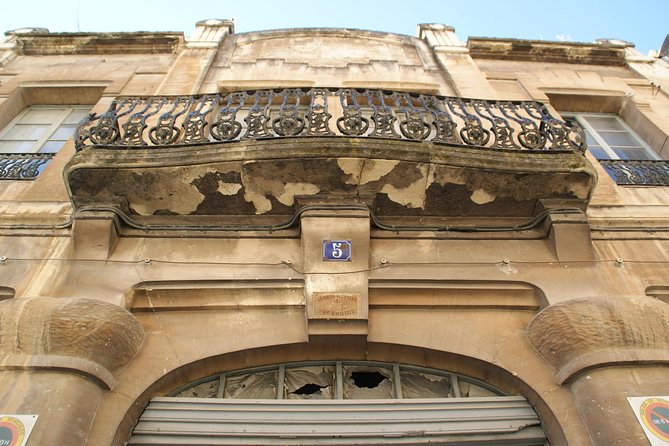
Casa del Pavo is one of the named landmarks along the route. Its title alone suggests the sort of detail that makes Modernist architecture memorable, but the provided tour information does not specify which rooms or features you will see. Your guide will place it within Alcoy’s wider architectural story.
This is where the private format can help. Rather than moving silently from one address to the next, you can ask why a particular building matters, who it served, and how it fits with the surrounding streets. The route is designed to explain the city’s culture and traditions, not just identify façades.
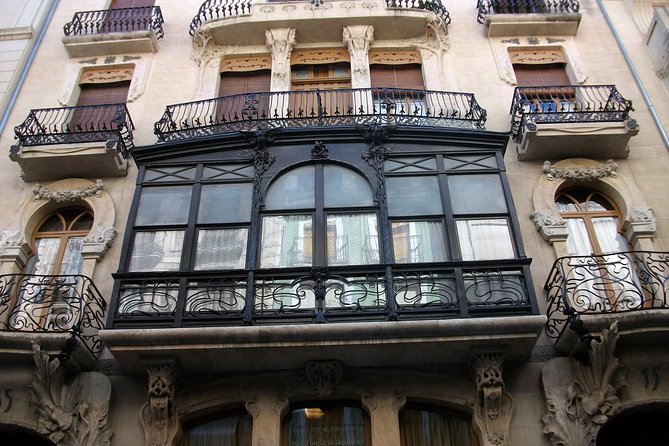
You will also encounter Secessionist and Neoclassical work. That variety keeps the walk from feeling repetitive. Modernist buildings often attract the first glance, but the older and more restrained styles help you see how Alcoy changed over time.
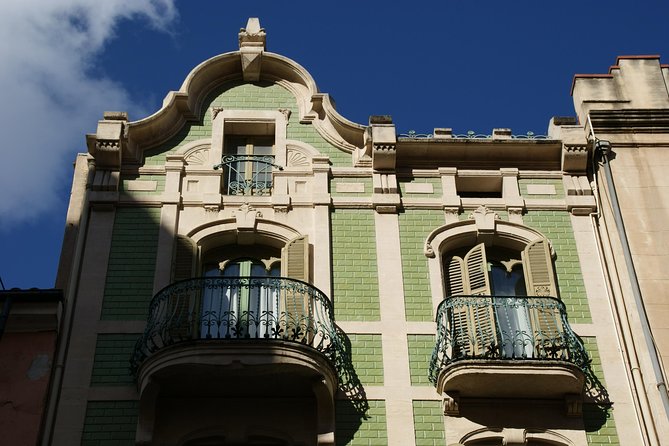
Bring your attention upward. On an architecture walk, the best details are often above street level, and the tour’s value comes from having someone point out what you might otherwise pass without noticing. Since no specific interior access is promised for Casa del Pavo, treat it primarily as a guided exterior stop unless your guide confirms otherwise.
Same streets, read through a different style:
- Barcelona: Park Güell and Gaudí House Museum Entry Ticket
★ 4.5 · 6,326 reviews - Barcelona: Gaudi’s Casa Vicens Skip-the-Line Entrance Ticket
★ 4.7 · 4,541 reviews - Barcelona: Gaudí’s Park Güell Tour with Fast-Track Ticket
★ 4.8 · 4,512 reviews - Barcelona: Sant Pau Recinte Modernista Entry Ticket
★ 4.6 · 2,567 reviews
Ferrándiz y Carbonell Square and Alcoy’s public spaces
Placeta de Ferrándiz y Carbonell is another named stop. A square gives the guide a chance to discuss more than individual buildings. You can consider how streets and open spaces organize the city, and how public areas relate to the homes, businesses, and civic buildings around them.
The stop also helps break up the walking route. Three hours can feel long if every minute is spent standing in front of a façade. Moving through a square gives you a change of scale and lets the guide connect separate buildings into a broader view of Alcoy.
The city’s traditions are part of the explanation here. The tour promises insight into culture and heritage, so you should expect the guide to place the architecture within local life rather than treating it as an isolated art lesson. The exact focus may vary with the guide and the questions your group asks.
For that reason, I would come with one or two things you want to know. You might ask how industrial growth changed the appearance of Alcoy, how residents experienced the 19th century, or why different styles appear side by side. A private tour gives you a better chance to steer the conversation.
Crossing Viaducto Bridge above the riverbed
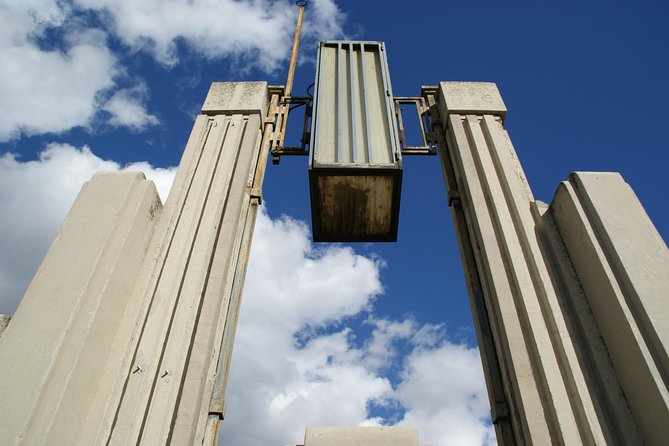
Viaducto Bridge is one of the route’s strongest visual moments. It connects the old and new parts of Alcoy and rises high above the riverbed. Its Art Deco character gives the bridge a different feel from the city’s ornate buildings, while its height adds a sense of scale to the walk.
This is more than a useful crossing. It shows how Alcoy’s geography influenced its growth. The bridge joins parts of the city that might otherwise feel separated, and it helps you understand why bridges are such important landmarks here.
The view is also a welcome change after close street-level work. You can look back at the city’s old and newer sections and see how the built environment responds to the surrounding terrain. The supplied information does not promise a dedicated viewpoint or a specific photo stop, so the amount of time spent here may depend on the guide and the group.
You should take care on the route, especially if you are not comfortable with extended walking or uneven urban streets. The tour only says that moderate fitness is needed, but that is enough to tell you this is an active outing rather than a gentle ride between monuments.
The Industrial Revolution behind the façades
The most useful part of this experience may be the social story. Alcoy’s architecture makes more sense when you understand the Industrial Revolution’s effect on the town and its residents.
The tour addresses working conditions in the 19th century, giving you a view of industrialization from the people who lived through it. That subject adds weight to the decorative buildings. Prosperity and hardship existed together, and the new city was shaped by both.
I appreciate that the route does not stop at architectural labels. Modernist, Secessionist, and Neoclassical are helpful terms, but they do not explain who paid for the buildings or why the city changed. The guide’s job is to connect those styles with Alcoy’s economic and social development.
You may find the discussion especially useful if you have already seen Spain’s better-known Modernist centers and want a different angle. Alcoy offers a smaller-scale setting where industry and architecture are closely linked. It is also a good choice if you want to understand inland Alicante, not just its coastal resorts.
The limitation is that the tour summary does not give a detailed list of factories, workers’ neighborhoods, or specific 19th-century events. If industrial history is your main reason for booking, ask at the start how much time the guide can devote to working life and the Industrial Revolution.
What is included, and what you need to plan
A local guide, professional guide, and professional art historian guide are listed as included. The wording suggests that the tour is built around specialist interpretation rather than a simple orientation walk.
Food and drinks are not included. Three hours is long enough that you may want water before setting out, especially if the weather is warm. Since the experience ends where it begins, you can plan a meal or café stop afterward, but no specific restaurant is part of the tour.
Public transportation is nearby, which helps if you are arriving without a car. The available information does not specify a hotel pickup, private transport, or parking arrangement, so plan to reach Plaça Espanya independently.
Booking confirmation arrives within 48 hours, subject to availability. The tour offers free cancellation if you cancel at least 24 hours before the 9:30 am start. Inside that window, the payment is not refunded and changes are not accepted. That is a sensible policy to keep in mind if your Alicante plans may shift.
Who will get the most from this private walk
I would choose this tour if you enjoy buildings but want more than a list of architectural terms. The combination of city history, working conditions, local traditions, and several design styles gives you material to think about after the walk.
It also suits families and small groups who want a guide to themselves. A group of up to 15 can share the fixed price, and the private setting lets you ask questions without worrying about a large public group.
Couples should weigh the cost carefully. At $215.26 total, the tour is much better value for a larger party. Two people may still prefer it if privacy, a professional art history guide, and the Circulo Industrial entry matter more than keeping the price low.
I would be less likely to recommend it if you have limited mobility, dislike standing and walking for several hours, or want a food-focused visit. The tour is also not ideal if you need a fully detailed interior itinerary, since only Circulo Industrial has a clearly stated visit inside.
Should you book the Alcoy Modernist Route?
Book it if you want to understand why Alcoy looks the way it does. The best reasons are the private format, the mix of architectural styles, the Industrial Revolution context, and the special access to Circulo Industrial arranged by Jordi and Ana.
The tour is strongest for a group that can share the $215.26 fee and for anyone willing to spend three hours walking and listening. It gives you a more thoughtful look at inland Alicante than a quick stop for photographs.
Skip it if your main goal is a short, cheap sightseeing loop or if you need guaranteed access to several interiors. For the right group, though, this is a useful introduction to Alcoy, especially when the Art Deco Viaducto Bridge, Casa del Pavo, Ferrándiz y Carbonell Square, and Circulo Industrial are viewed as parts of one industrial city story.
FAQ
Where does the Alcoy walking tour begin?
It begins at Tourist Info Alcoi, Plaça Espanya, 14, 03801 Alcoi, Alicante, Spain.
What time does the tour start?
The tour starts at 9:30 am.
How long does the experience last?
It lasts approximately three hours.
Is the tour private?
Yes. This is a private activity, and only your group participates. The price covers up to 15 people.
What is included in the price?
A local guide, professional guide, and professional art historian guide are included. Food and drinks are not included.
What is the cancellation policy?
You can cancel at least 24 hours before the start time for a full refund. Cancellations or changes made less than 24 hours before the start are not accepted, and no refund is provided.
New to the itinerary around Spain
- Gaudí and Modernist Art: Guided Tour in Palma de Mallorca★ 4.5 · 3 reviews
- Roman & Gotic & Gaudi in Barcelona: private walking tour★ 4.5 · 2 reviews
- Visit to the Modernist houses of the Americans★ 5.0 · 2 reviews
- Barcelona Gaudi Tour: Sagrada Familia, Casa Batllo & Casa Mila★ 5.0 · 4 reviews
- Barcelona Street Escape: Gaudi and the Hidden Treasure★ 5.0 · 17 reviews
- Gaudí & Catalan Modernism Private Walking Tour★ 5.0 · 11 reviews
- Self-Guided Audio Tour-The Surrealist Barcelona of Dalí and Gaudí★ 3.5 · 8 reviews
- Gaudí and Barcelona Legends – Private Tour★ 5.0 · 4 reviews
Spain Architecture Tours, compared.
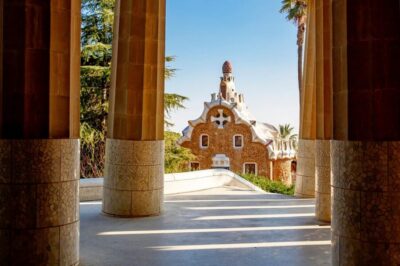
Park Güell and Gaudí House Museum Entry Ticket
Read our review →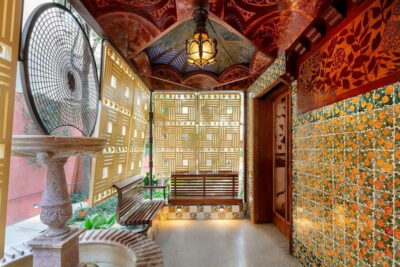
Gaudi’s Casa Vicens Skip-the-Line Entrance Ticket
Read our review →
Gaudí’s Park Güell Tour with Fast-Track Ticket
Read our review →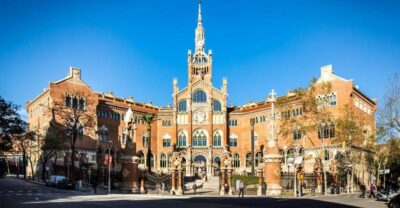
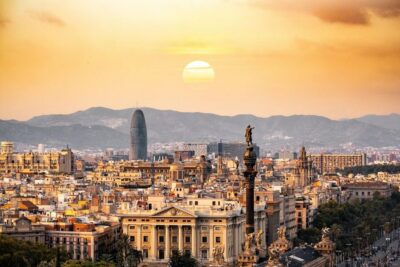
Sagrada Familia, Modernism, and Old Town Tour
Read our review →
Sagrada Familia & Gaudi Tour Private or Small Group with Tickets
Read our review →
Complete Gaudi Tour: Casa Batllo, Park Guell & Sagrada Familia
Read our review →
Park Güell: Guided Tour with Optional Gaudí Experience Entry
Read our review →Other lists with this tour