
Review · SINGAPORE
Singapore: Architecture and Food Tour with Tastings
Singapore’s most useful introduction may be the one that puts its futuristic skyline and hawker food on the same plate. This three-hour tour links Marina Bay Sands, the ArtScience Museum, and possibly the Helix Bridge, Esplanade, or Merlion with tastings of chicken rice, laksa, satay, and other local favorites.
I like the small group of up to eight, which gives your guide room to answer questions instead of delivering a speech to a crowd. I also like the flexible format, with guide EK specifically noted for answering questions and going above and beyond. The main drawback is time: three hours goes quickly, and extra attraction fees, food, drinks, and transport are not included.
Key points at a glance
- Marina Bay in one compact outing: See Marina Bay Sands and the lotus-shaped ArtScience Museum, with other landmarks possible depending on your route.
- Hawker food with context: Taste Hainanese chicken rice, laksa, satay, and other dishes tied to Singapore’s multicultural food traditions.
- A personal route: Your meeting point and focus can be adjusted with the guide to suit your interests.
- Small-group attention: With no more than eight participants, questions and conversation should be easier.
- A mix of old and new Singapore: Pair futuristic buildings with food traditions that grew from everyday street cooking.
- Good for first-time visitors: You get city orientation, architecture, and several local tastes in one three-hour session.
Why Marina Bay and hawker food belong together
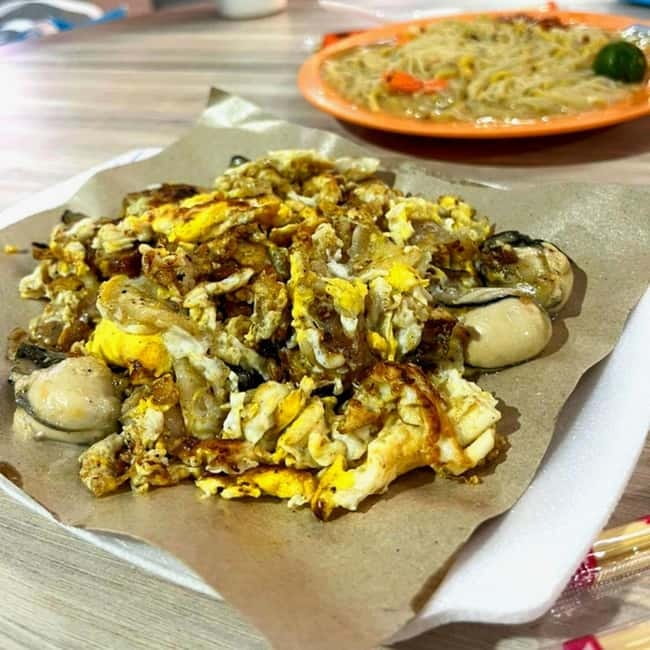
Singapore can seem like two cities at once. One is polished and futuristic, filled with dramatic museums, bridges, theaters, and hotel towers. The other is found around food stalls and simple tables, where familiar dishes carry layers of Chinese, Malay, Indian, and other influences.
I like this tour because it treats those sides as connected rather than separate. The skyline tells you how Singapore presents itself to the world today. The food tells you how people eat, work, and preserve traditions in daily life.
At $109 per person, this is not a cheap food walk. The price makes more sense if you want a guide to explain both subjects and help shape the outing around your interests. If you only want inexpensive tastings or only need photographs of Marina Bay, you can likely spend less on your own.
The value is in the interpretation. A guide can explain why certain buildings matter, how hawker culture developed, and how traditional dishes have been adapted for modern dining. You are paying for a connected story, not just a checklist of sights and samples.
More Architecture Tours around the world:
- Chicago Architecture River Cruise
★ 5.0 · 15,756 reviews - Chicago River 90-Minute Architecture Tour
★ 4.5 · 9,629 reviews - Chicago River: 1.5-Hour Guided Architecture Cruise
★ 4.8 · 8,046 reviews
Starting with Singapore’s futuristic skyline
Your exact meeting point is arranged with the guide, since the route is customizable. That flexibility is useful, especially if you are already near Marina Bay or want the tour to begin close to another part of the planned route.
I would settle the meeting place and the main priority before the tour begins. Tell the guide if architecture matters most, if food is your chief interest, or if you want a balanced mix. A short conversation at the start can keep the three-hour schedule from becoming too scattered.
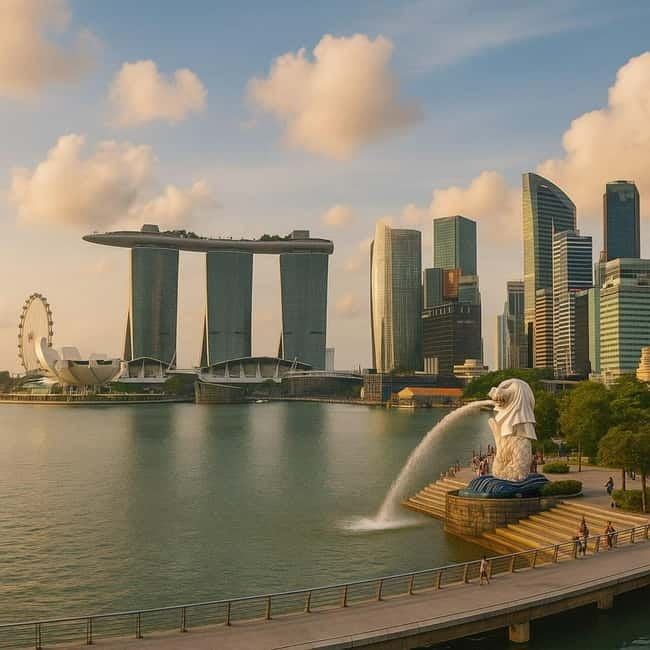
Marina Bay Sands is the likely headline stop. Its three connected towers and broad rooftop form make it one of the easiest Singapore landmarks to recognize. The guide explains its place in Singapore’s modern development and its connection with luxury, tourism, and the city’s international image.
You should expect to admire the building from outside rather than assume that every attraction connected with it is included. Attraction fees are separate, and the tour price does not cover admission to paid sites. If you want to enter an attraction, ask the guide about the plan and any extra cost before committing.
The exterior is still worthwhile. The scale of the complex gives you a clear sense of how Singapore uses bold design to shape its public image. It also creates a useful contrast with the modest food stalls you encounter later.
The ArtScience Museum and its lotus-shaped design
The ArtScience Museum provides a second strong architecture stop. Its white, open form is designed to recall a lotus, and its purpose links art, science, and technology.
I find this stop especially useful for visitors who want more than a hotel photograph. The building itself gives the guide a way to discuss Singapore’s interest in creativity, technology, and new forms of public culture.
The tour may focus on the exterior and explanation rather than a full museum visit. The supplied details do not promise a specific exhibit or admission, and attraction fees are not included. If you want time inside, confirm that point with the guide when arranging your route.
That limitation matters. Three hours is enough for a sharp introduction, but not enough for a leisurely museum visit, a long meal, and every major Marina Bay landmark. I would treat the ArtScience Museum as an architectural and cultural stop unless your guide confirms an interior visit.
Helix Bridge, Esplanade, and the Merlion
Depending on your interests and the route, the tour may include the Helix Bridge, Esplanade, or Merlion. Each gives you a different view of Singapore’s design choices.
The Helix Bridge is a chance to see engineering used as visual art. Its structure adds interest to a walk between major Marina Bay areas and gives the guide another way to explain how function and appearance meet in Singapore’s public buildings.
Esplanade, known for its distinctive rounded exterior, brings performance and civic culture into the discussion. It helps broaden the tour beyond hotels and commercial landmarks.
The Merlion offers a more traditional symbol of Singapore. Its familiar lion-and-fish form connects the modern bayfront with the city’s established public identity. If you are taking photographs, this stop may be one of the easiest ways to capture a recognizable Singapore image.
Because the route is personalized, none of these additional stops should be treated as guaranteed in every version of the experience. Ask what can fit before the walking begins. I would rather see two or three places with good explanations than rush past five landmarks.
Same streets, read through a different style:
- Barcelona: Park Güell and Gaudí House Museum Entry Ticket
★ 4.5 · 6,326 reviews - Chicago Architecture Center River Cruise aboard First Lady
★ 5.0 · 5,536 reviews - Barcelona: Gaudi’s Casa Vicens Skip-the-Line Entrance Ticket
★ 4.7 · 4,541 reviews - Barcelona: Gaudí’s Park Güell Tour with Fast-Track Ticket
★ 4.8 · 4,512 reviews
Tasting chicken rice, laksa, and satay
The food portion centers on well-known local favorites. Hainanese chicken rice, laksa, and satay each show a different part of Singapore’s food culture.
Hainanese chicken rice is simple on the surface, with chicken, rice, and accompanying sauces. The dish gives your guide a useful opening to talk about migration, adaptation, and the way familiar recipes change in a new home.
Laksa brings a stronger mixture of spice, noodles, and coconut-based flavors. It is a good counterpoint to chicken rice, and it shows how Singaporean cooking can combine different regional influences in one bowl.
Satay adds the grilled element. Served on skewers, it is easy to share and well suited to a small-group tasting. It also gives you a different texture and flavor from the rice and noodle dishes.
These are tastings, not necessarily full meals. The included food is described as selected samples, while additional food and drinks cost extra. I would eat lightly beforehand, but do not arrive expecting an unlimited feast.
The format is best for curious eaters who want several first impressions. If you already know you need a large meal, have dietary restrictions, or prefer to choose every dish yourself, ask the guide what is available before booking.
Hawker culture beyond the plate
The tour’s food value comes from the stories behind the dishes. Singapore’s hawker culture is not just a convenient way to eat cheaply. It reflects a long tradition of small-scale cooking, shared public spaces, and recipes shaped by several communities.
Your guide can connect the food to the city’s larger identity. A stall serving a humble dish may exist in a country known for luxury hotels and striking construction. That contrast is part of what makes Singapore interesting.
I would pay close attention during this part, since it is easy to reduce the experience to a list of names. Ask why a dish is considered a local favorite, how it fits into everyday life, and what makes the Singapore version distinct. The tour is designed for questions, and the small group should make that practical.
Guide EK is specifically noted for answering questions and going beyond the basic plan. If EK leads your outing, bring a few food or architecture questions with you. The tour becomes more useful when you treat it as a conversation rather than a guided photo stop.
From hawker stalls to Crazy Rich Asians
The food experience also touches Singapore’s more glamorous side through dishes associated with Crazy Rich Asians. This gives you a different angle on the city’s food image, from everyday stalls to elaborate meals and elegant desserts.
I like the contrast, but I would keep expectations measured. The experience includes tastings connected with local and cinematic food culture, yet it does not promise a full recreated movie meal or access to every location shown on screen.
The point is to show how Singaporean cooking can move between tradition and modern presentation. Chefs may use familiar recipes while changing the technique, setting, or style. That discussion adds depth to the meal without requiring you to book a high-end restaurant separately.
This section will suit anyone interested in food on screen, restaurant culture, or the way a film can shape a city’s image. If you care only about inexpensive local dishes, focus your time on the hawker tastings and ask the guide to keep the movie connection brief.
What three hours really allows
Three hours is a sensible length for a focused introduction, but it requires choices. You can see major architecture, taste several dishes, and hear cultural background. You probably cannot linger at every building, take an extended museum visit, and eat a full meal in the same outing.
Walking is central. Comfortable shoes and water are important, and you should be ready for both indoor and outdoor time. Bring a camera if you want photographs of the bay, the buildings, bridges, and food.
The route may also involve moving between food and architecture stops. Transportation to and from the starting point is not included, so plan how you will reach the agreed meeting place and where you will go afterward.
Smoking and pets are not allowed. The tour is described as wheelchair accessible, but the same information says it is not suitable for people with mobility impairments. That is a clear point to settle with the provider before booking, especially if you need a particular route, seating arrangement, or walking pace.
The live guide speaks English or Chinese. A small group capped at eight is a real advantage here. Architecture questions can be handled without slowing a large party, and food preferences are easier to discuss with fewer people.
Who gets the best value from this tour
I would recommend this outing to a first-time Singapore visitor who wants orientation without spending a full day on a single subject. It works especially well if you are deciding between a food tour and a city sightseeing walk, since it combines both.
It also suits couples, families with older children, and small groups with mixed interests. One person can ask about architecture while another focuses on hawker food. The guide can adjust the balance instead of forcing everyone through an identical route.
Food-focused visitors should see it as an introduction rather than a specialist tasting tour. Architecture fans should expect explanations and exterior viewing, not a detailed architectural study or guaranteed museum entry.
The tour is less suitable if you want a large, leisurely meal, a fixed list of every Marina Bay landmark, or a low-cost self-guided outing. The $109 price is easier to justify when you value personal guidance and the chance to shape the experience.
Booking advice and final verdict
Before you book, decide what you want the guide to emphasize. Ask about the meeting point, the planned landmarks, the food samples, and any attraction fees. This is especially important because the route can change around your interests.
The flexible cancellation policy allows a full refund when you cancel at least 24 hours ahead. You can also reserve now and pay later, which helps if your Singapore schedule is still moving around.
I would book this tour if you want a compact, guided introduction to both Singapore’s futuristic public face and its everyday food culture. The strongest reasons are the small group, flexible route, and chance to ask questions directly. I would skip it if your main goal is simply the cheapest way to eat chicken rice and laksa, or if you need a slow, low-walking day.
For the right visitor, $109 buys more than a few bites and skyline photographs. It gives you a framework for understanding why Singapore can feel both highly modern and deeply attached to food traditions carried through ordinary daily life.
FAQ
How long is the Singapore Architecture and Food Tour?
The tour lasts three hours.
How much does the tour cost?
The listed price is $109 per person.
What food is included?
Included tastings feature local favorites such as Hainanese chicken rice, laksa, and satay, along with multicultural cuisine samples.
Is transportation included?
No. Transportation to and from the tour starting point is not included.
Are attraction entrance fees included?
No. Fees for attractions are separate from the tour price.
Which landmarks may I see?
The experience includes Marina Bay Sands and the ArtScience Museum. Depending on the route, you may also visit the Helix Bridge, Esplanade, or Merlion.
Can the tour be personalized?
Yes. The meeting point and route can be coordinated with the guide, and the experience can be shaped around your interests.
What languages does the guide speak?
The live guide is available in English or Chinese.
How large is the group?
The tour is limited to eight participants.
What should I bring?
Bring comfortable shoes, water, and a camera. You should be prepared for indoor and outdoor activities.
New to the itinerary around the world
- Washington, DC: Georgetown Architecture Walking Tour★ 5.0 · 8 reviews
- Wilmington History and Architecture Tour★ 4.8 · 18 reviews
- Walk & Discover KL’s Architectural and Heritage Gems★ 5.0 · 7 reviews
- Washington DC: Dupont Circle & Embassy Row Architecture Tour★ 5.0 · 6 reviews
- New Orleans : Garden District Architecture Walking tour★ 4.8 · 5 reviews
- Unveiling Brno: History, Culture & Architectural Delights★ 5.0 · 2 reviews
- Vicenza: Palladian Architecture Private Walking Tour★ 3.3 · 3 reviews
- Private Colonial Williamsburg Architectural Tour★ 5.0 · 5 reviews