
Review · BARCELONA
Barcelona: Sant Pau Recinte Modernista Entry Ticket
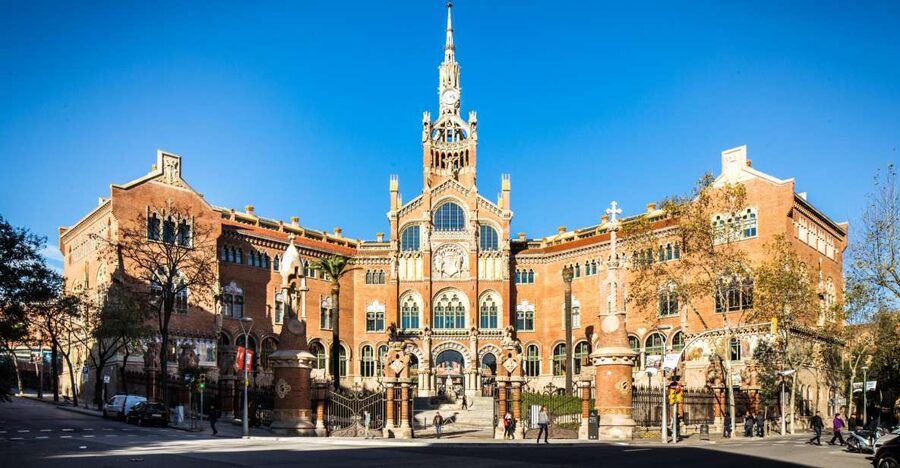
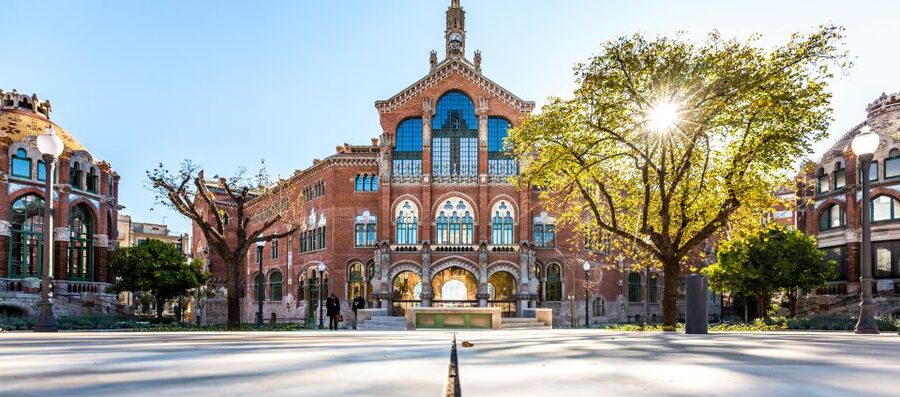
Sant Pau is not just another pretty Barcelona building. It is a former public hospital designed as a healing garden city, with pavilions, courtyards, underground passages, stained glass, mosaics, and sculpture. I like the clear link between architecture and healthcare, and I like that you can explore at your own pace rather than being pushed through with a group.
The main drawback is simple: this ticket does not include a guided tour. The displays explain plenty, but several visitors wished they had taken an audio guide. If you want the full story behind the design, plan to read carefully or add an audio option if available.
Key points at a glance
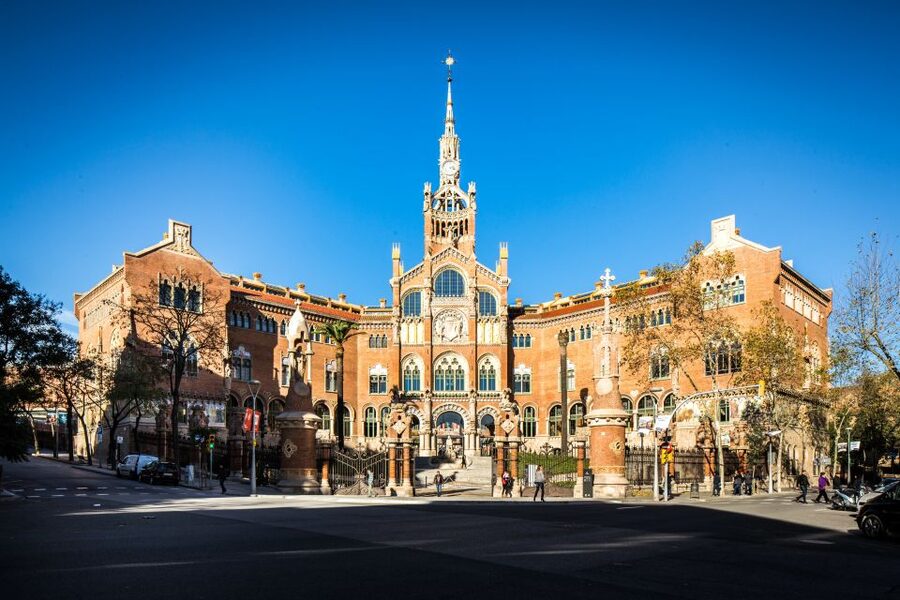
- A former hospital built for healing: Lluís Domènech i Montaner planned gardens, light, air, and separate pavilions as part of patient care.
- Barcelona Modernisme beyond Gaudí: You get lavish decoration, but also a practical working institution built between 1905 and 1930.
- Underground passages connect the site: Walkways once helped staff move between buildings without crossing the gardens.
- Allow more than a quick photo stop: The advertised visit takes about 1.5 hours, but two hours gives you time to read, look up, and sit in the courtyards.
- A calm contrast to central Barcelona: The grounds provide space to pause after busy streets and crowded headline attractions.
- Easy for many visitors: The site is wheelchair accessible, near a metro station, and offers lockers suitable for small carry-on bags.
Why Sant Pau deserves time on your Barcelona plan
Barcelona has no shortage of famous architecture. The Sagrada Família and Park Güell usually take the first places on an itinerary, but Sant Pau gives you something different: a complete institution designed around daily life, public health, and beauty.
The complex was built between 1905 and 1930 by Lluís Domènech i Montaner, one of the leading architects of Catalan Modernisme. It was created to replace the old Hospital de la Santa Creu in El Raval, which had become too small by the end of the 19th century.
What makes the site special is its purpose. This was not a private mansion or a decorative pavilion built only to impress. It was intended as a public hospital for people who needed care, especially the poor. The design treated the surroundings as part of recovery, with open space, gardens, fresh air, light, and separate buildings rather than one cramped block.
That idea gives the ornament a human reason. The mosaics and stained glass are beautiful, but they were part of a place where people lived, worked, healed, and died. You get art and social history in the same visit.
More Entry Tickets around Barcelona:
- Barcelona: Park Güell and Gaudí House Museum Entry Ticket
★ 4.5 · 6,326 reviews - Barcelona: Gaudi’s Casa Vicens Skip-the-Line Entrance Ticket
★ 4.7 · 4,541 reviews - Barcelona: Gaudí’s Park Güell Tour with Fast-Track Ticket
★ 4.8 · 4,512 reviews
Entering the Art Nouveau hospital complex
The address is Calle Sant Antoni Maria Claret, 167, near the Sagrada Família area. A metro station is close by, making Sant Pau easy to add before or after other sights in this part of Barcelona. One useful warning: navigation apps have occasionally directed people to the wrong place, so check the street address rather than relying blindly on a pin.
The entrance leads you into a carefully restored complex rather than a single museum room. The scale becomes clearer once you see the central area and the line of pavilions. Give yourself a few minutes at the start to understand the layout. The buildings are connected by paths and underground passages, and the route is not always as obvious as it could be.
Signage has been a weak point for some visitors, especially outdoors. You may need to look for the next entrance or retrace a few steps. That is not a serious problem, but it rewards a slower approach. Sant Pau is not a place to race from one numbered stop to the next.
The ticket is for entry only. You are not joining a guided tour, and no guide is named as part of the booking. That suits me when I want to set my own pace, but it means you should take responsibility for the context.
The pavilions and the garden city idea
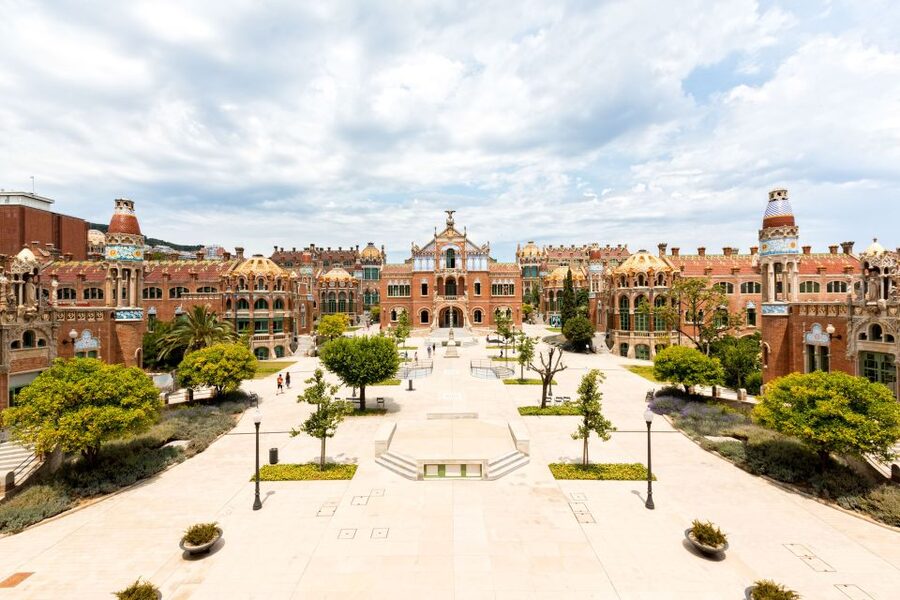
The heart of the visit is the collection of restored pavilions. Instead of putting every hospital function into one massive building, the design spread the institution across separate structures connected by passages and arranged around gardens.
This was an ambitious response to changing ideas about hygiene and healthcare. The open layout allowed more air and light, while the gardens offered patients a less harsh setting than a dense city ward. You can see why the site is often described as a garden city for the sick.
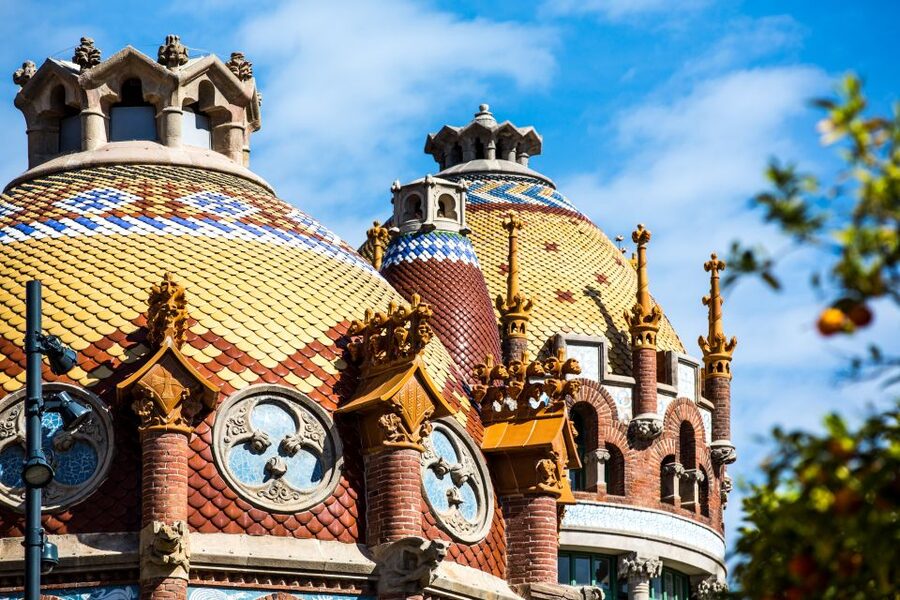
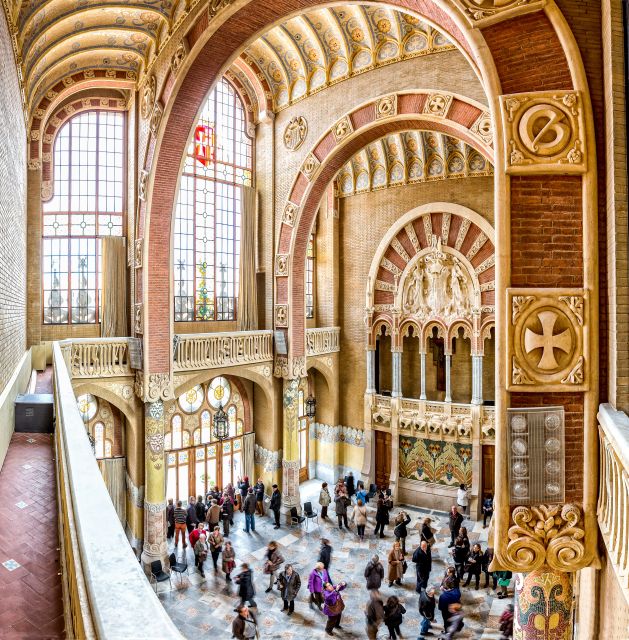
Look beyond the grand front. Some of the most rewarding details are on the sides and in less obvious corners, including mural mosaics that are easy to miss if you only photograph the central façade. Several visitors found that simply sitting in a courtyard and looking carefully produced one of the best parts of the visit.
I recommend looking up often. Ceilings, arches, glazed details, and decorative surfaces reward attention. Sant Pau is full of the kind of small work that disappears when you focus only on the big view.
The pavilions are also useful for understanding how the hospital functioned. You are not only admiring Modernista decoration. You are seeing an early 20th-century plan for separating patient areas, staff movement, gardens, and services.
Underground passages and the working hospital
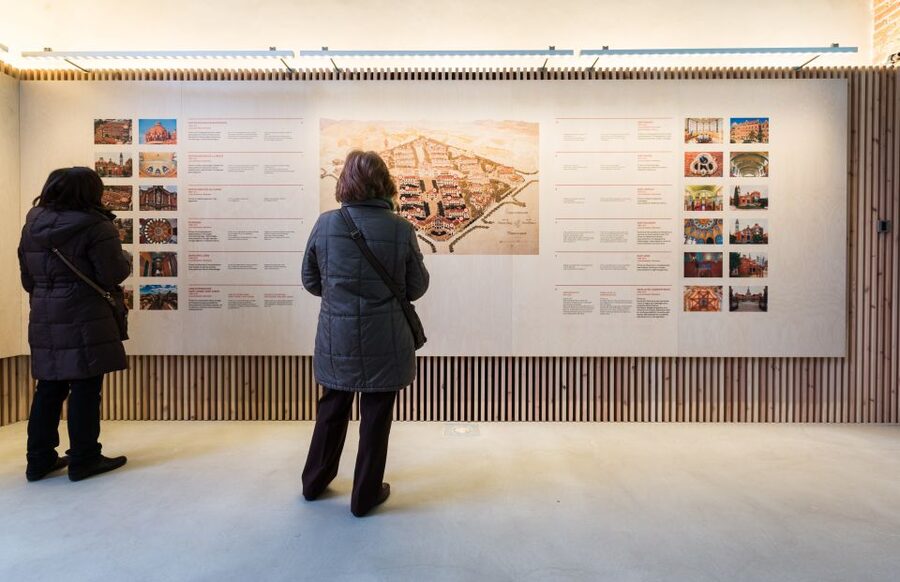
The underground walkways are one of Sant Pau’s most memorable features. They connected the pavilions and allowed staff and hospital operations to move through the site without constantly crossing the open grounds.
The passages add a practical layer to the visit. Above ground, you see decorative façades and peaceful courtyards. Below ground, you get a sense of the machinery behind the institution. The contrast helps you understand Sant Pau as a working hospital, not just an architectural monument.
The route also gives you a different view of Domènech i Montaner’s design. The beauty was not limited to public-facing spaces. Functional movement through the hospital was considered too, even if the underground areas feel plainer than the grander rooms.
Some visitors wished more of the complex were open. That is worth keeping in mind. The site is large, but access is limited to the restored and designated areas. You will not explore every building or every former hospital room.
More Architecture Tours around Barcelona:
- Barcelona: Sagrada Familia, Modernism, and Old Town Tour
★ 4.7 · 1,621 reviews - Sagrada Familia & Gaudi Tour Private or Small Group with Tickets
★ 4.5 · 1,188 reviews - Complete Gaudi Tour: Casa Batllo, Park Guell & Sagrada Familia
★ 5.0 · 1,152 reviews - Park Güell: Guided Tour with Optional Gaudí Experience Entry
★ 4.1 · 832 reviews
Medical displays and the human story
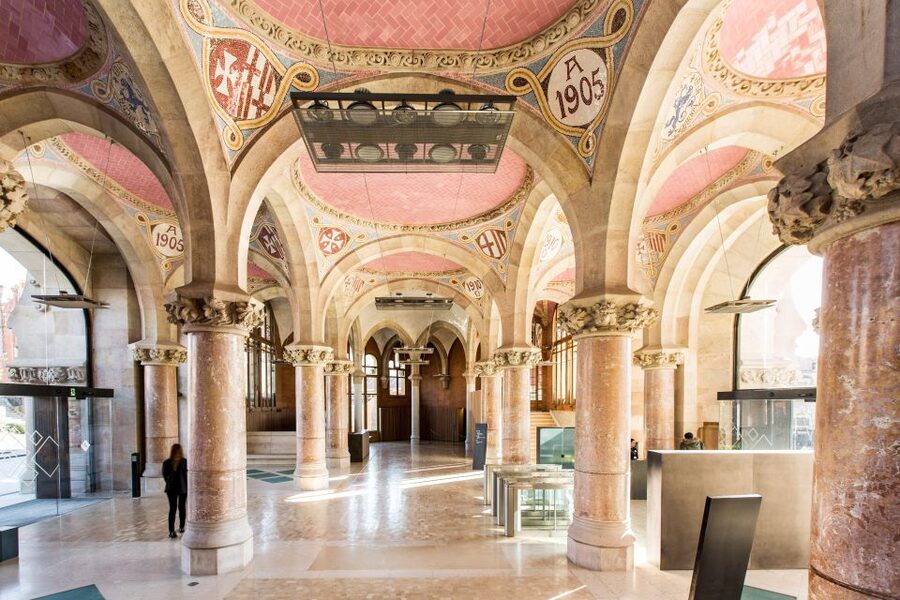
Sant Pau’s displays help connect the building to the people who used it. You can see medical instruments from the period and a hospital room arranged as it was in 1932. These details give the visit a stronger sense of time than architecture alone can provide.
For anyone with a medical, nursing, or science background, this may be the most rewarding part. The complex shows how medical care changed over time, while also presenting an older model of care that placed importance on nature, fresh surroundings, and the patient’s wider environment.
The social purpose matters too. This was a charitable institution associated with welfare and care for people who could not simply choose a private hospital. The ornate setting can seem surprising until you remember that the design was meant to offer dignity as well as treatment.
I found the combination more useful than a purely decorative museum visit. You can admire the color and craftsmanship, then pause over the question of what a hospital should feel like for someone who is frightened, poor, or seriously ill.
One small presentation issue is worth noting. An explanatory video has been placed in a less obvious corner room, and it may be easy to miss. Keep an eye out for audiovisual material instead of assuming that the most visible displays are the whole story.
How long to spend inside Sant Pau
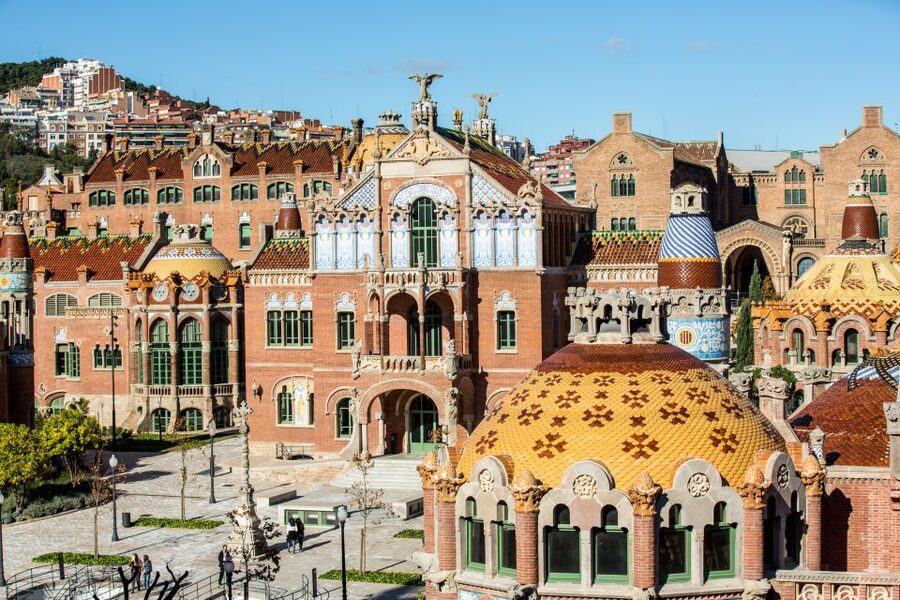
The experience is described as a 1.5-hour visit, but the ticket is valid for one day. That gives you flexibility. You can make a focused visit in about 90 minutes, or spend closer to two hours if you want to read the information, inspect the details, and pause in the courtyards.
A quick visit might cover:
- The main entrance and central courtyard
- Several restored pavilions
- The underground passages
- The former hospital room
- Medical displays and the most important decorative details
A slower visit gives you time to walk around the sides of the front buildings, search for the mural mosaics, and sit outdoors. The grounds are spacious enough to make that pause worthwhile.
Early morning can be a good choice if you want a quieter start. One person arrived at 9:30 a.m. and found the place especially peaceful. Conditions will vary, but Sant Pau generally gives you more breathing room than Barcelona’s biggest headline sights.
The site can also work well on a departure day. Lockers are available, though the space is suitable for small carry-on bags rather than large luggage. Nearby cafés provide a practical place to stop afterward, but there is no café inside the complex, which some people may find inconvenient.
Is the $21 ticket good value?
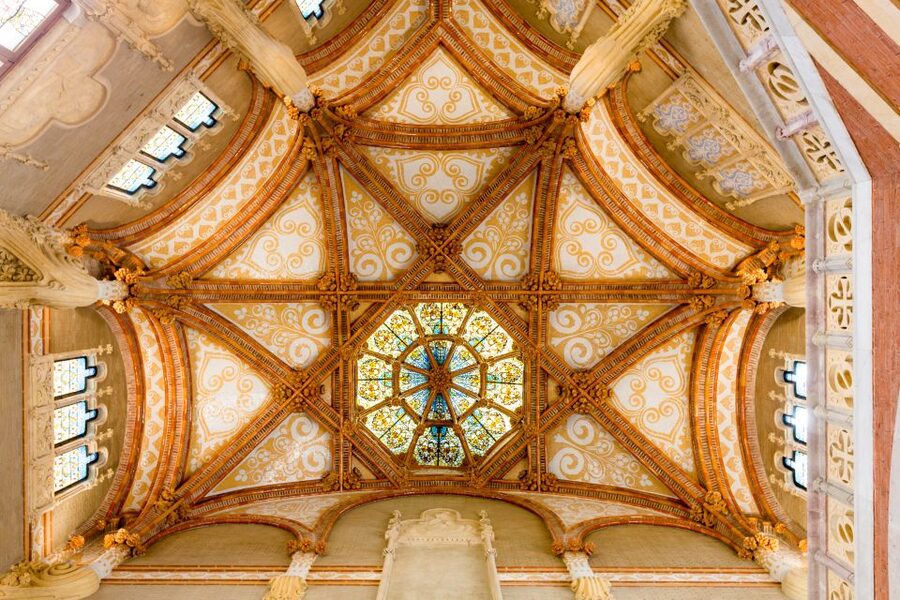
At about $21 per person, this is not Barcelona’s cheapest short attraction. The value depends on how you use it.
If you only want a fast exterior photograph, the ticket will feel expensive. You can see some of the architecture from the street without paying. But that gives you only the surface. The ticket opens the restored pavilions, courtyards, underground connections, historical displays, and hospital interiors.
For me, the price works best when you allow at least 90 minutes and take time with the information. You are paying for access to a large architectural complex, not a single room. The former hospital room, medical instruments, and underground passages add substance beyond the decorative façades.
The self-paced format also helps with value. You do not need to fit into a fixed group or stay with a guide. You can move quickly through areas that interest you less and spend longer with the rooms and details that catch your attention.
If you want a detailed architectural lecture, the basic ticket may not be enough on its own. The lack of a guided tour is the main limitation. An audio guide can make the experience more informative, especially if you are not familiar with Catalan Modernisme or early hospital design.
How Sant Pau compares with Barcelona’s famous sights
Sant Pau is close enough to the Sagrada Família to pair with it, but the two experiences feel quite different. The Sagrada Família is a single, towering religious work that overwhelms you with height and scale. Sant Pau spreads its story across pavilions, gardens, corridors, and working spaces.
That difference makes Sant Pau a good second stop rather than a substitute. If you have already seen the Sagrada Família, Sant Pau shows you another side of Barcelona’s architectural culture. If you have not, you can visit both in the same part of the city, but leave enough time to appreciate each.
Sant Pau is also less intense than many major attractions. Its open courtyards and gardens offer a welcome pause from crowded streets and hot weather. I would choose it for a morning when I wanted architecture without the pressure of a packed landmark.
It is especially useful for repeat visits to Barcelona. One person had returned several times and still found the complex rewarding. That makes sense because the site works at several levels: color and ornament for a first visit, planning and medical history for a second, and small details for anyone who enjoys looking closely.
Who should book this experience?
I would recommend Sant Pau to:
- Architecture fans who want to see Catalan Modernisme beyond Gaudí
- People interested in hospitals, medicine, nursing, or public health
- Visitors who enjoy self-paced museums and historic buildings
- Families with children old enough to appreciate the buildings and displays
- Anyone looking for a calmer stop near the Sagrada Família
- Repeat visitors who have already covered Barcelona’s best-known sights
Children aged 11 and under may enter free, but a parent or guardian must be present. The site is wheelchair accessible, which makes it a practical choice for many visitors, though the complex is large and includes outdoor paths.
I would be more cautious if you dislike reading displays or prefer a guide to explain every room. The architecture remains impressive on its own, but the hospital story gives the visit much of its meaning. Without that context, you may leave having seen beautiful buildings without understanding why they were designed this way.
For photographers, the site offers plenty to study: tile work, stained glass, sculpture, arches, courtyards, and long views through the complex. Just remember that the best details are not always on the main façade.
Practical advice before you go
Book online if you want to secure a last-minute time, though the visit is not generally described as a difficult entry process. The ticket can be cancelled for a full refund up to 24 hours in advance, and a reserve-now, pay-later option is available.
Pets are not allowed. Smoking, alcohol, and drugs are prohibited. These rules are straightforward, but remember that Sant Pau is still a former hospital site with a calm, protected atmosphere.
On the first Sunday of each month, visitors over 65 can enter free. Children under 12 also have free admission with a parent or guardian. Check the current availability and entry time when booking, since the ticket is valid for one day but the available starting times can vary.
I would wear comfortable shoes. The complex invites slow walking, and you will get more from it if you take the side paths, visit the underground passages, and stop in the courtyards rather than treating it as a quick indoor attraction.
Should you book Sant Pau Recinte Modernista?
Yes, if you want an architectural visit with a real social and medical story behind it. Sant Pau is one of Barcelona’s most rewarding alternatives to the standard Gaudí circuit, and the $21 price is fair when you give it enough time.
Book it especially if you like Modernisme, historic hospitals, science, nursing, or carefully planned public spaces. Add an audio guide if you want more explanation. Skip it only if your schedule is extremely tight or you want a fully guided experience included in the ticket.
For most people, I would set aside two hours, visit in the morning if possible, and make a point of looking at the side mosaics, underground passages, hospital room, and courtyards. That is when Sant Pau changes from a beautiful building into a place you can understand.
FAQ
How long does the Sant Pau Recinte Modernista visit take?
The suggested visit lasts about 1.5 hours. Since the ticket is valid for one day, you can take longer if you want more time for the pavilions, gardens, passages, and displays.
Is a guided tour included?
No. The ticket includes entrance to Sant Pau Recinte Modernista, but not a guided tour.
Is the site wheelchair accessible?
Yes, Sant Pau Recinte Modernista is wheelchair accessible.
Are children allowed to visit Sant Pau?
Yes. Children aged 11 and under may attend. Participants under 12 have free admission, but a parent or guardian must be present.
Can visitors over 65 enter for free?
Visitors over 65 can receive free access on the first Sunday of the month.
Can I cancel my booking?
Yes. You can cancel up to 24 hours in advance for a full refund.
Are pets allowed inside Sant Pau?
No. Pets are not allowed. Smoking, alcohol, and drugs are also prohibited.
New to the itinerary around Barcelona
- Roman & Gotic & Gaudi in Barcelona: private walking tour★ 4.5 · 2 reviews
- Visit to the Modernist houses of the Americans★ 5.0 · 2 reviews
- Barcelona Gaudi Tour: Sagrada Familia, Casa Batllo & Casa Mila★ 5.0 · 4 reviews
- Gaudí & Catalan Modernism Private Walking Tour★ 5.0 · 11 reviews
- Self-Guided Audio Tour-The Surrealist Barcelona of Dalí and Gaudí★ 3.5 · 8 reviews
- Barcelona Street Escape: Gaudi and the Hidden Treasure★ 5.0 · 17 reviews
- Gaudí and Barcelona Legends – Private Tour★ 5.0 · 4 reviews
- Gaudi’s Casa Batlló and La Pedrera with Chocolate Tasting★ 5.0 · 5 reviews
Barcelona Architecture Tours, compared.
Park Güell and Gaudí House Museum Entry Ticket
Read our review →
Gaudi’s Casa Vicens Skip-the-Line Entrance Ticket
Read our review →
Gaudí’s Park Güell Tour with Fast-Track Ticket
Read our review →
Sagrada Familia, Modernism, and Old Town Tour
Read our review →
Sagrada Familia & Gaudi Tour Private or Small Group with Tickets
Read our review →
Complete Gaudi Tour: Casa Batllo, Park Guell & Sagrada Familia
Read our review →
Park Güell: Guided Tour with Optional Gaudí Experience Entry
Read our review →
Barcelona e-Bike Tour: Gaudí & Old Town Small Group
Read our review →Other lists with this tour