Review · MUNICH
Munich 3-Hour Segway Tour: Nazi Munich & Royal Architecture
Munich’s past comes at you in quick, memorable scenes on this small-group Segway tour. You move from grand royal architecture to the difficult story of Nazi Munich, then finish beside the Eisbach River, where surfers ride a permanent standing wave in the city center. It is an unusual way to cover ground without spending three hours on foot.
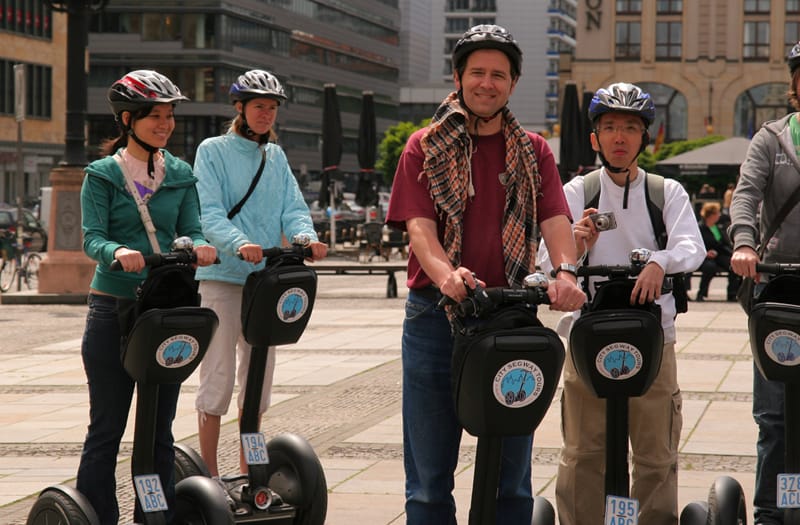
I like the one-on-one Segway training before the tour begins, especially for first-time riders. I also like the mix of subjects: Königsplatz and the Residenz show Munich’s royal side, while the Nazi-era sites and memorial traces add needed weight. Guides including Canaan, Matt, Tom, Thomas, Bob, José, Steve, and Michelle have been praised for clear instruction, local stories, and good humor.
The main consideration is that you ride on roads and in changing weather. The tour runs in light rain and cold, and speed can make the wind feel sharper than expected. You need to be comfortable standing and steering for several hours, and the minimum age is 14.
Key points to know before you book
- A proper 30-minute orientation comes first: You learn to start, stop, turn, and handle the Segway before heading into Munich.
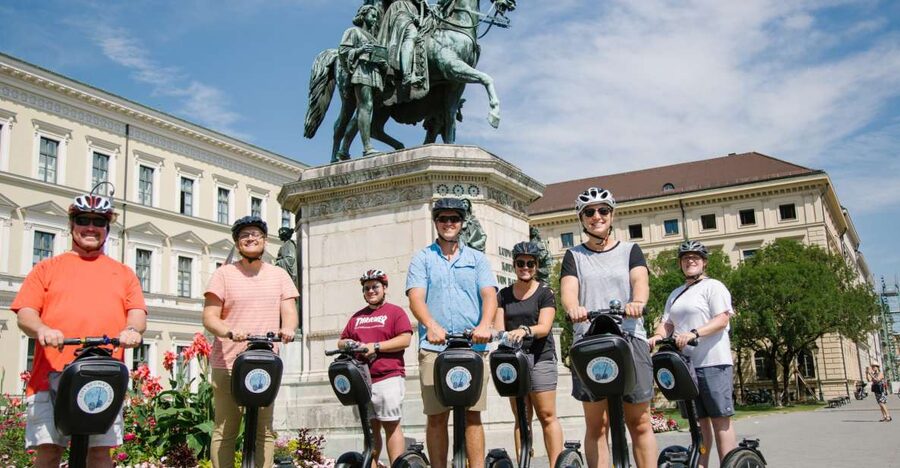
- The group is limited to eight people: That gives you a better chance to ask questions and receive help while riding.
- The route links royal Munich with Nazi-era history: Königsplatz, Odeonsplatz, the Residenz, and other central sites form the historical backbone.
- The Eisbachwelle is a memorable modern stop: You may see Munich’s famous river surfers riding a standing wave.
- The tour covers roads and paths: Comfortable closed shoes and clothing suited to the forecast matter.
- The $91 price buys more than transport: You get equipment, instruction, a three-hour guided route, and a useful first look at several parts of Munich.
Learning the Segway at Karlsplatz
The tour begins at Fat Tire Tours, at Karlsplatz 4, near Stachus. From the McDonald’s at Karlsplatz, keep the city gate behind you, turn right along Sonnenstraße, and look for the shop after about 50 meters on the right, inside the courtyard.
The first half hour is devoted to safety and handling. That is not wasted time. A Segway responds to small movements, so you need to get used to leaning forward, slowing down, and turning before dealing with city traffic. Guides give individual help, which is especially useful if this is your first ride.
The training also sets the pace for the rest of the group. One rider who needs extra practice does not have to learn in the middle of a busy street. Matt was praised for patient coaching, while Canaan was noted for making sure each person felt ready before setting off.
You will stand for much of the three hours, so this is not a good choice if you have a low level of fitness, back trouble, recent surgery, or limited mobility. Pregnant people should not take part. Riders must weigh between 45 and 115 kilograms, and children under 14 cannot join. Minors under 18 need an adult with them or an adult to complete the insurance paperwork.
More Architecture Tours by Bike and Segway in Germany:
- Dessau: Bauhausbauten Radtour
★ 5.0 · 2 reviews - Dessau: Radtour Bauhaus – Junkers – Gartenreich
★ 5.0 · 2 reviews - Barcelona e-Bike Tour: Gaudí & Old Town Small Group
★ 5.0 · 769 reviews
Königsplatz and Munich’s classical face
Once the group is moving, the early route reaches Karolinenplatz and Königsplatz. These broad spaces show the side of Munich that was shaped by royal ambition and classical models. Königsplatz was designed with the Acropolis in Athens in mind, so its columns and open setting feel more like a ceremonial stage than an ordinary city square.
The Segway works well here because you can cross more ground than you could on foot, while still stopping for photographs and stories. The itinerary allows short pauses at Karolinenplatz and Königsplatz, so expect an overview rather than a long architectural lecture.
The nearby Alte Pinakothek and Pinakothek der Moderne add Munich’s art and design credentials to the route. You stop outside each building, making this a useful orientation for deciding if you want to return later for an indoor visit. The tour does not include museum admission or time inside, so think of these stops as visual introductions.
Nazi Munich and the weight of the route
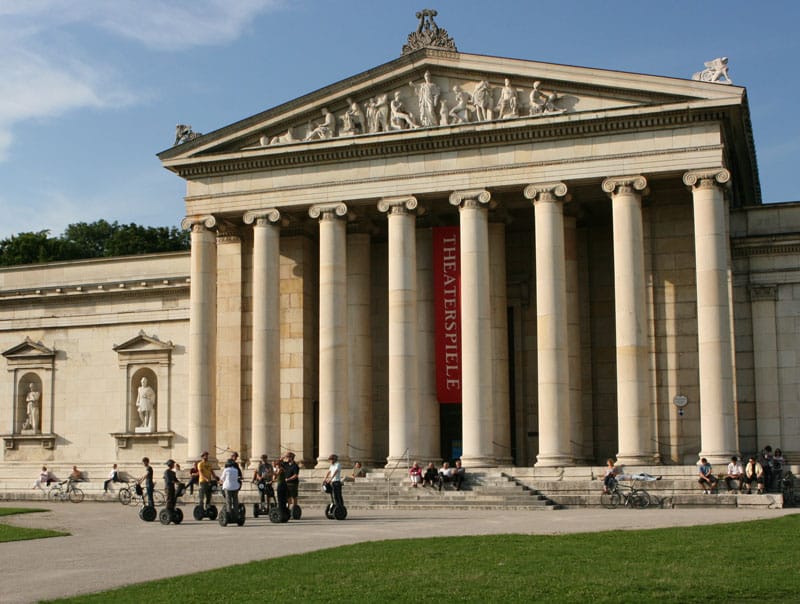
The tour does not treat Munich as only a city of palaces and pretty squares. It also explains the city’s role in the rise of Nazism and points out remnants connected with that period. This part gives the grand architecture a necessary context.
The exact amount of time spent at individual historical locations can vary because the stops are short, generally around five minutes. You will hear the guide explain the setting while the group remains together, rather than spending long periods at a single memorial or museum.
That format suits you if you want a clear introduction to Munich’s difficult past before exploring further on your own. It may feel too brief if you want an in-depth political history tour. The experience balances serious material with lighter architectural and city stories, rather than keeping the tone solemn for the full three hours.
The guide matters here. Canaan was praised for strong historical storytelling, and Tom was described as able to explain Bavaria’s past in a way that made the city easier to understand. The tour is conducted in English or German, so check the language available when you book.
Siegestor, Odeonsplatz, and the royal center
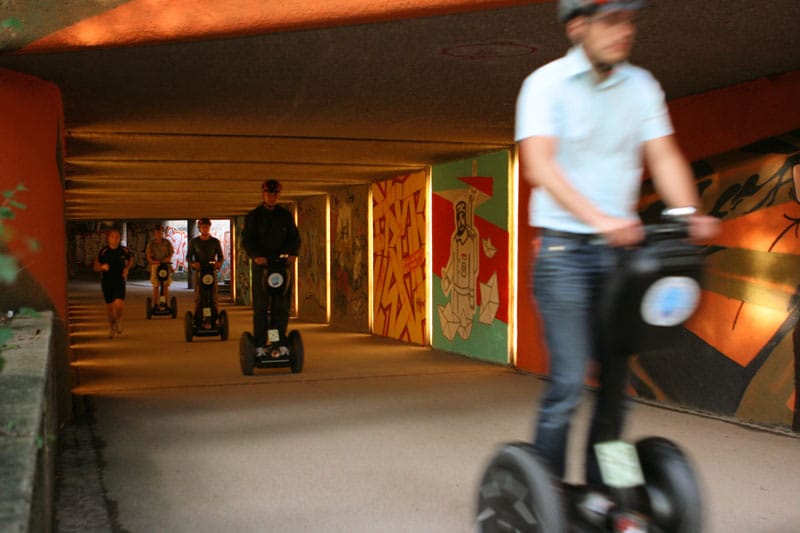
Siegestor, or Victory Gate, marks the transition toward Munich’s royal and ceremonial quarter. It is a good photo stop and a reminder of how much of central Munich was designed to express power, order, and Bavarian identity.
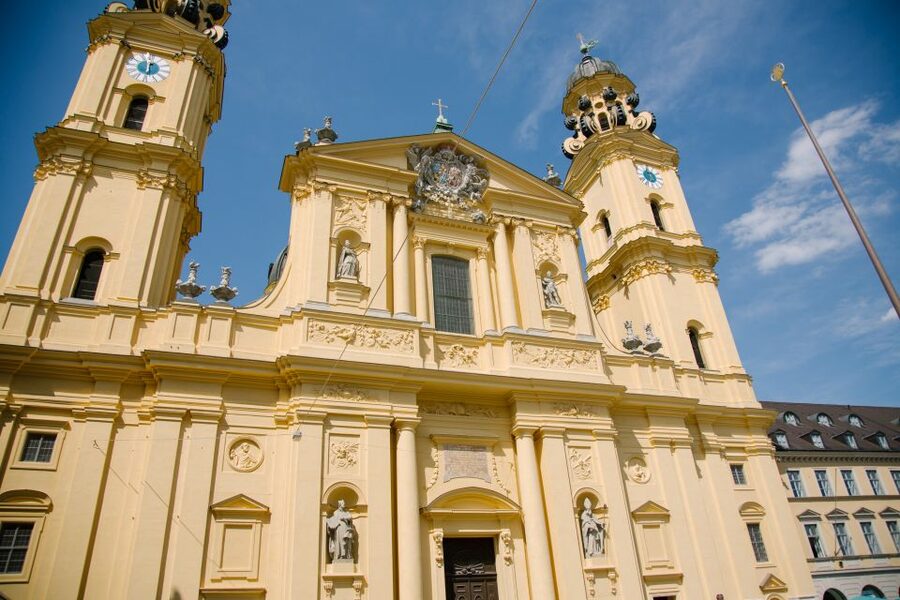
At Odeonsplatz, the route moves through another major civic space. From there, the Munich Residenz brings you close to the former royal palace. You view the building from outside on the Segway tour, with time for photographs and a short explanation. If you want to see the interior rooms and collections, plan a separate visit.
The Bavarian State Opera appears later in the route, reinforcing the same theme. Munich’s old center is not one single style. You will see royal residences, museums, monumental gates, formal squares, and newer city life all within a fairly compact circuit.
I like this sequence because it helps you connect buildings that can otherwise feel like isolated sightseeing stops. You begin to see Munich as a city shaped by rulers, art, politics, and public ceremony.
More Three-Hour Tours around Germany:
- Private Taxi Tour of City East History and Architecture 2-3h
★ 5.0 · 2 reviews - Barcelona: 3-Hour Discover Gaudí GoCar Tour
★ 4.5 · 123 reviews - 3 Hour Midtown Manhattan Architectural Tour
★ 5.0 · 81 reviews - Barcelona 3-hour Bike or E-Bike Tour: Gaudí By Bike
★ 5.0 · 24 reviews
Haus der Kunst and the changing city
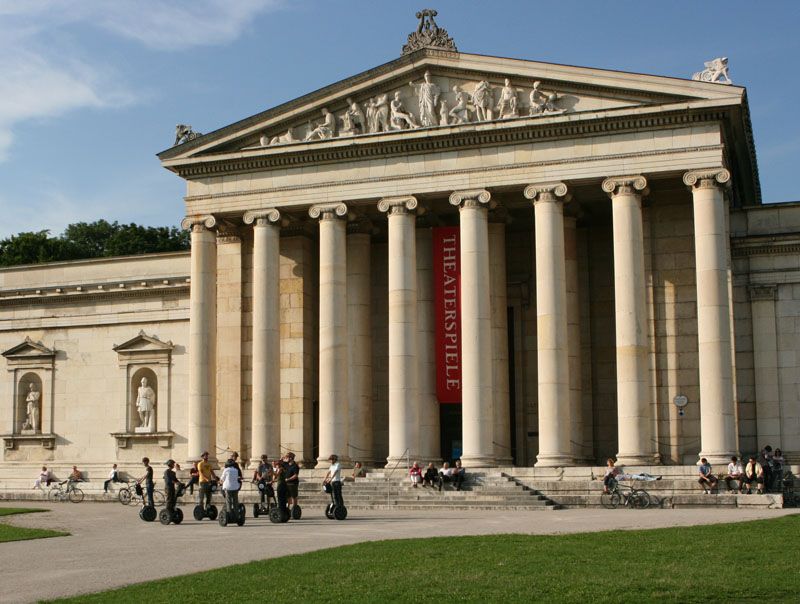
Haus der Kunst adds another layer to the route. It is part of the city’s modern cultural identity and sits within a section of Munich where monumental buildings and contemporary life meet.
The stop is brief, so you should not expect an exhibition visit. Still, the building gives the guide another opening to explain how Munich changed from a royal capital into a modern German city. The tour’s wider lesson is not just what each building is, but how the city kept adding new meanings to old spaces.
This is also where the Segway’s practical advantage becomes clear. You can reach several sites that are spread north and east of the old town without giving up the guide’s commentary or wearing yourself out with a long walk.
The Eisbachwelle and Munich’s famous surfers
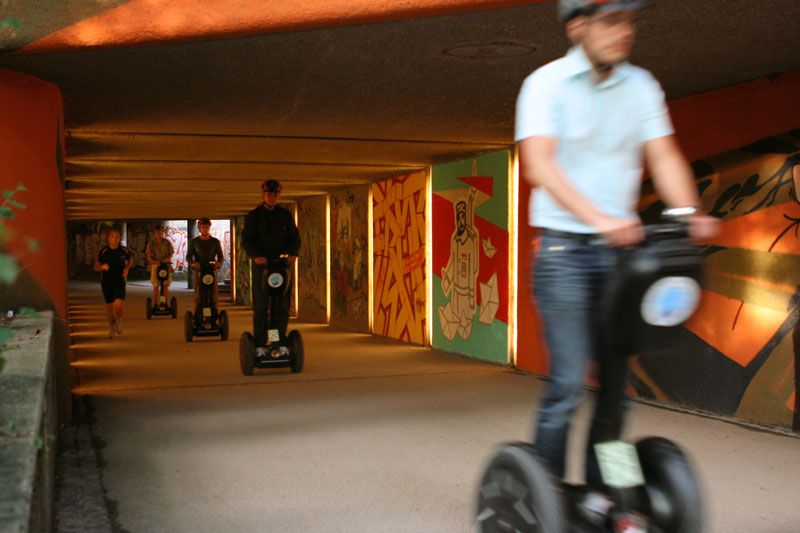
The Eisbachwelle is the tour’s most unexpected stop. At this artificial standing wave on the Isar canal, surfers ride continuously in the middle of the city. It is often called the first city river-surfing spot of its kind, and it has become one of Munich’s most recognizable modern sights.
You stop for around ten minutes, enough time to watch the action and take photographs if conditions allow. This is a welcome change after the formal squares and historical buildings. It also shows how Munich residents use their city for sport and recreation.
The river stop gives the tour a stronger local feel. You are not only looking at monuments built by rulers or institutions. You are also seeing a lively public space with a very Munich sense of character.
The Isar, Angel of Peace, and Maximilianeum
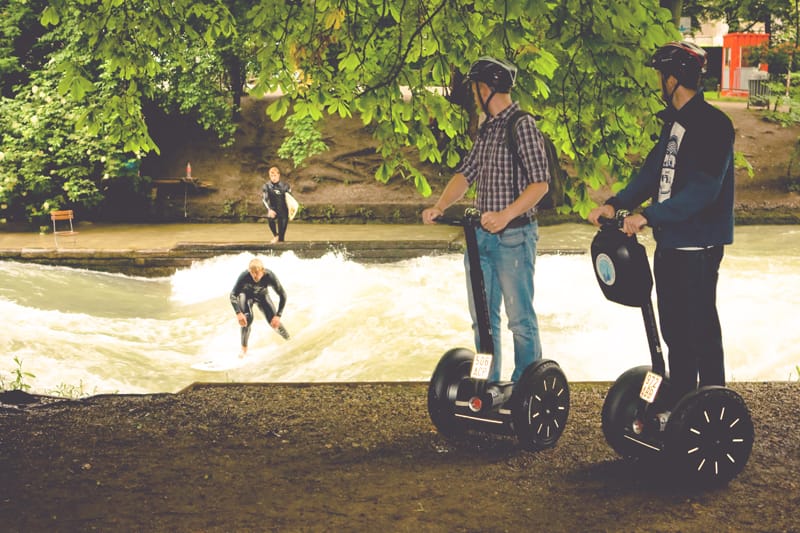
After the Eisbachwelle, the route continues toward the Isar River and the Angel of Peace. The river section gives you a different view of Munich, with open air and a break from dense streets. The Angel of Peace is another grand monument tied to Bavaria’s public image and historical memory.
The Maximilianeum is one of the route’s major architectural highlights. It has housed the Bavarian state parliament since 1949, and its elevated position and ornate design make it easy to recognize. The stop helps connect Munich’s royal past with its current political role.
The tour allows only about five minutes at each of these locations. That keeps the group moving, but it also means you should listen closely and use the pauses for photographs. If you prefer long periods at one place, a walking tour or private guide may suit you better.
Maximilianstraße and the final return
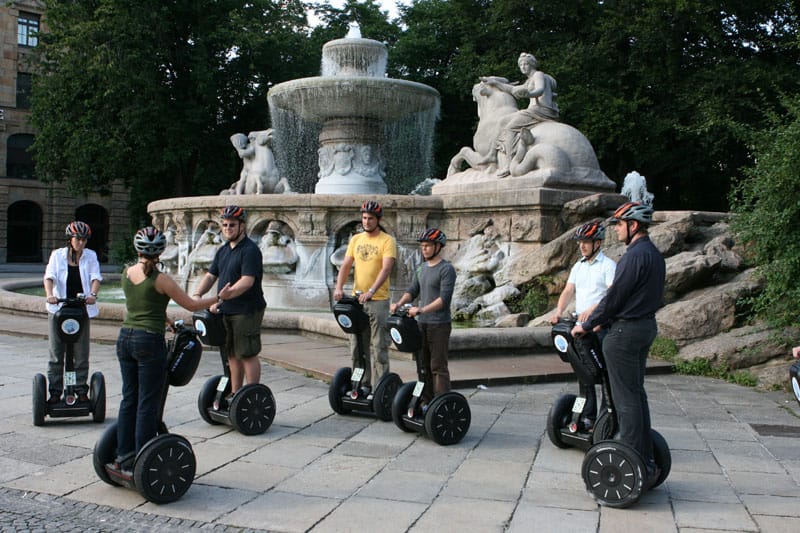
Maximilianstraße brings the tour into one of Munich’s best-known grand avenues. The route then passes the Bavarian State Opera before returning to Karlsplatz. These final stops round out the city’s polished, ceremonial side after the river and street scenes.
You finish where you began, which makes the tour easy to fit into a day of sightseeing. From Karlsplatz, you can continue exploring central Munich, return to your hotel, or use the guide’s suggestions for the rest of your stay.
One useful benefit is the chance to ask practical questions during the ride. The small group, capped at eight, makes it easier to ask where to eat, which sights deserve more time, or what to see next. Those personal tips can add value beyond the printed route.
How much value do you get for $91?
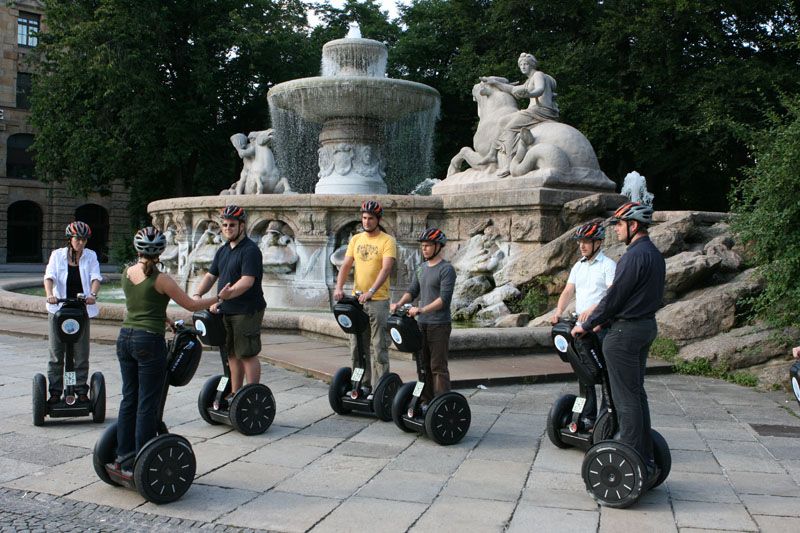
At $91 per person, this is not Munich’s cheapest introduction. The price makes more sense if you place value on three things: covering a large area, learning to ride a Segway properly, and having a live guide explain the city as you move.
You receive the Segway, orientation, safety instruction, an English or German-speaking guide, and raincoats. Drinks and food are not included. The tour does not include entrance fees, so budget separately if you plan to visit the Residenz or one of the museums afterward.
I see the strongest value for a first or second day in Munich. You get a broad picture of the center, learn which places deserve a return visit, and receive useful advice while your plans are still flexible. If you already know the city well, the experience is more about the fun of riding and the unusual route than discovering every stop for the first time.
The activity has a 4.9 rating from 194 reviews, with repeated praise for instruction, guide personality, historical explanations, and the simple enjoyment of riding. The positive comments are not all about the same guide, which suggests the quality depends on the staff member leading your departure, but several names receive strong individual praise.
Weather, clothing, and street conditions
The tour runs in rain or shine except during extremely bad weather. That is important in Munich, where a forecast that looks mild can feel cold once you are moving. One rider described sleet, while another found the cold especially sharp because of the wind created at speed.
Wear comfortable, closed shoes and clothing you can layer. Raincoats are provided, and one guide, Michelle, supplied jackets and gloves to people who were not ready for cold conditions. Even so, do not count on borrowed warm gear as your main plan.
You will ride on roads as well as off-road sections or paths. The guide explains traffic etiquette and keeps the group together, but you still need to pay attention. The Segway is easy to handle after practice, yet it is not a passive sightseeing vehicle. You steer, balance, watch the surface, and respond to the guide.
Bring some cash, though the tour does not include food or drinks. You may want a drink during or after the ride, especially in cold or wet weather.
Who will enjoy this Munich Segway tour?
I would choose this tour for an active adult, a couple, friends, or a family with older teenagers who want to see more than the pedestrian center in a short time. It also suits visitors who like history but do not want a full day inside museums.
It is particularly good for first-time Segway riders because the training is taken seriously. Older riders can enjoy it too. A couple in their 60s completed the route and praised the instruction, though cold weather made the ride harder.
I would skip it if you dislike balancing equipment, have trouble standing for long periods, or want a slow, quiet walk with long stops. It is also not suitable for children under 14, pregnant people, people with back problems or recent surgeries, people with mobility impairments, or anyone outside the weight limit.
You can cancel for a full refund up to 24 hours before the tour, and the reserve-now-pay-later option helps if your Munich schedule is still changing.
Should you book it?
Book this tour if you want a lively first look at Munich, enjoy trying a different form of transport, and like a guide who mixes royal architecture with difficult 20th-century history. The Eisbachwelle, Maximilianeum, and broad circuit through the northern and eastern center give it more variety than a simple old-town ride.
Skip it if your priority is detailed time inside museums, a serious specialist study of Nazi Munich, or a completely sheltered activity. For most active visitors, the $91 cost is fair because the tour combines instruction, equipment, small-group attention, and a useful three-hour orientation. I would schedule it early in your stay, when the guide’s advice can shape the rest of your Munich visit.
FAQ
Where does the Munich Segway tour begin?
It begins at Fat Tire Tours, Karlsplatz 4. From the Karlsplatz McDonald’s, keep the city gate behind you, turn right along Sonnenstraße, and look for the shop after about 50 meters on the right in the courtyard.
How long does the tour last?
The tour lasts three hours, including about 30 minutes of Segway orientation and safety instruction.
What languages are available?
The live guide speaks English or German. Check the available language when selecting your tour.
How many people are in each group?
The group is limited to eight participants.
What age do you need to be?
Participants must be at least 14 years old. Anyone under 18 must be accompanied by an adult or have an adult complete the insurance paperwork.
What should you wear and bring?
Wear comfortable clothing and closed, comfortable shoes. Dress for rain and cold because the tour operates in most weather. Raincoats are provided, and you should bring cash.
Is the tour suitable for everyone?
No. It is not suitable for pregnant people, people with back problems, recent surgeries, mobility impairments, or a low level of fitness. Riders must weigh between 45 and 115 kilograms, and people over 95 are not permitted to take part.
New to the itinerary around Germany
- Munich Your Way: Private Tour with Architect & Guide★ 5.0 · 2 reviews
- Hidden Architectural Gems of Munich (Max. 16 guests)★ 5.0 · 2 reviews
- Architectural Frankfurt: Private Tour with a Local Expert★ 5.0 · 2 reviews
- Berlin Architecture/River Spree Full Day Photography Tour★ 5.0 · 2 reviews
- Private Taxi Tour of City East History and Architecture 2-3h★ 5.0 · 2 reviews
- Architectural Berlin: Private Tour with a Local Expert★ 4.0 · 3 reviews
- Lübeck: Architecture and Local Craft Private Guided Tour★ 4.0 · 6 reviews
- Lübeck: Private Historical and Architectural Walking Tour★ 4.5 · 6 reviews
Architecture Tours by Bike and Segway, compared.
Barcelona e-Bike Tour: Gaudí & Old Town Small Group
Read our review →
Palm Springs Modernism Architecture & History Bike Tour
Read our review →

Electric Bike Art and Architecture Guided Tour in Jacksonville
Read our review →
Barcelona Bike tour, Gaudí houses or beach bike or eBike tour
Read our review →