
Review · CHILE
An Architect’s Tour of Downtown Santiago
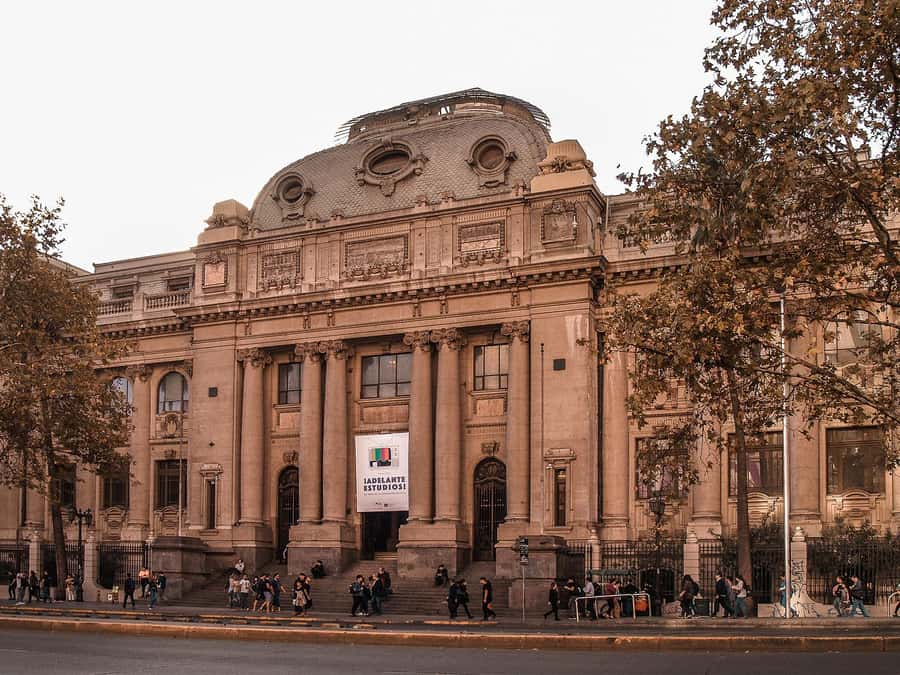
Santiago’s buildings tell the story of Chile’s political and social changes, and architect Diego Inzunza knows how to read that story. His three-hour walk links Plaza Baquedano, Barrio Lastarria, Cerro Santa Lucia, Iglesia San Francisco, Paris-Londres, and La Moneda in a way that gives the city more meaning than a quick photo stop.
I like two things right away: Diego is a native Chilean architect, so the commentary comes from someone with a personal and professional connection to the city, and the group is limited to eight people. You can ask questions, pause for photographs, and spend extra time on a place that catches your eye. The main drawback is simple: three hours on foot can feel long if you are not comfortable walking, and the tour does not include a ride back from La Moneda.
Key points at a glance
- Architecture with political context: Learn how Chile’s social and political changes appear in buildings, streets, and public spaces.
- A small group of eight or fewer: The format leaves room for questions, conversation, and photo stops.
- A local architect as your guide: Diego Inzunza studied architecture and has worked as an architect and guide for more than six years.
- A useful route through central Santiago: The walk connects Plaza Baquedano with La Moneda and covers several important districts along the way.
- English or Spanish guiding: Diego speaks fluent English as well as Spanish.
- Practical pauses built into the walk: Coffee, restrooms, and even bank or currency exchange stops may be possible along the route.
Why an architect’s eye changes downtown Santiago
A standard city walk may tell you when a building was built. This tour aims to explain why it looks the way it does, what purpose it served, and how Chilean events shaped its design.
That difference matters in Santiago. A façade, church, university building, or public square can reflect changing ideas about power, religion, education, wealth, and national identity. You do not need a background in architecture to follow the discussion. Diego’s job is to turn technical ideas into useful observations you can apply as you continue walking around the city.
I also like that the tour is built as a conversation rather than a fixed lecture. You can ask about a detail that seems odd, stop to take a photograph, or request more time at a place that interests you. That makes this a better fit for curious visitors than for anyone hoping to rush through a long list of sights.
The group size helps here. With a maximum of eight people, you are less likely to be lost at the back of a crowd, and it should be easier to hear the guide in busy parts of central Santiago. The small format also gives you a chance to ask about Chile beyond architecture, including politics, urban change, and daily life.
More Architecture Tours around the world:
- Chicago Architecture River Cruise
★ 5.0 · 15,756 reviews - Chicago River 90-Minute Architecture Tour
★ 4.5 · 9,629 reviews - Chicago River: 1.5-Hour Guided Architecture Cruise
★ 4.8 · 8,046 reviews
Meeting near Plaza Baquedano
The walk begins at Plaza Baquedano, near Teatro Universidad de Chile, with the listed starting address at Av. Providencia 43. This is a sensible place to begin because the square connects several important parts of Santiago and gives the route a clear sense of direction.
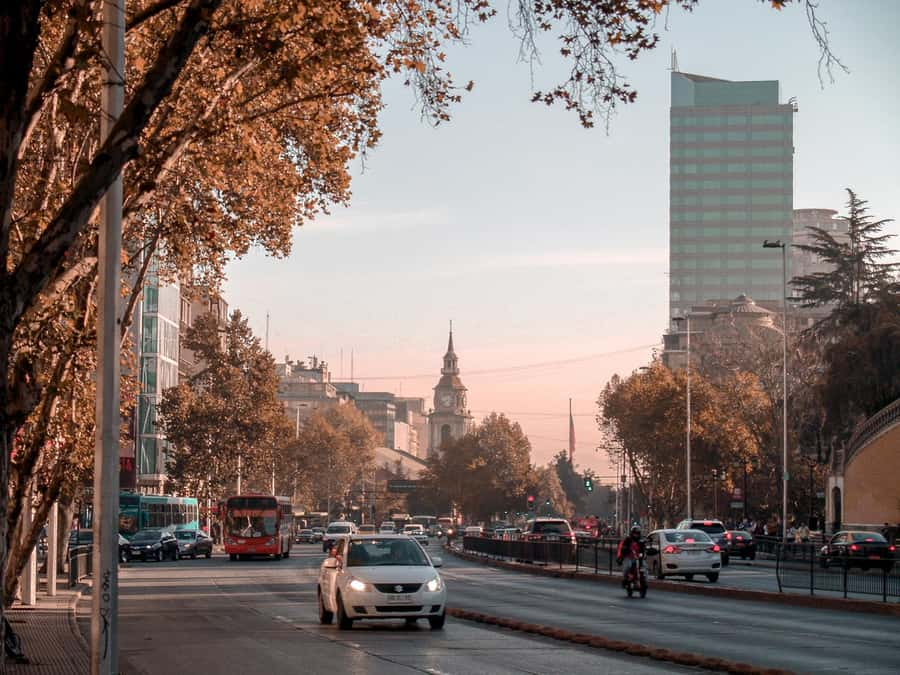
You start in a major city intersection, then move into areas where the streets and buildings offer a closer look at Santiago’s development. The opening part of the walk helps set up the larger theme: the city is not a collection of isolated sights. Its districts are connected by changes in public life, architecture, and national history.
You should arrive in comfortable shoes. This is an outdoor walking experience, and the tour runs for three hours. There is no equipment to bring, and you do not need to know architectural terms in advance.
Barrio Lastarria and the city’s changing character
Barrio Lastarria is one of the first major areas on the route. Its value here is not just that it is pleasant to walk through. It helps show how a Santiago neighborhood can carry several layers of urban identity at once.
With Diego, you can look past the general atmosphere and pay attention to building styles, street design, and the relationship between older structures and newer uses. The district offers a useful introduction to the tour’s method: notice the details, then connect them to the people and events that shaped the area.
This is also a good section for questions. If you are interested in how historic buildings are reused, how districts change, or why certain architectural choices appear in one part of the city but not another, this is a natural place to ask.
A possible limitation is that the tour gives you a broad route rather than a lengthy stop at every building. You will see and discuss several areas in three hours, so the experience is designed for context and conversation, not for entering every site.
Universidad Catolica de Chile and the role of education
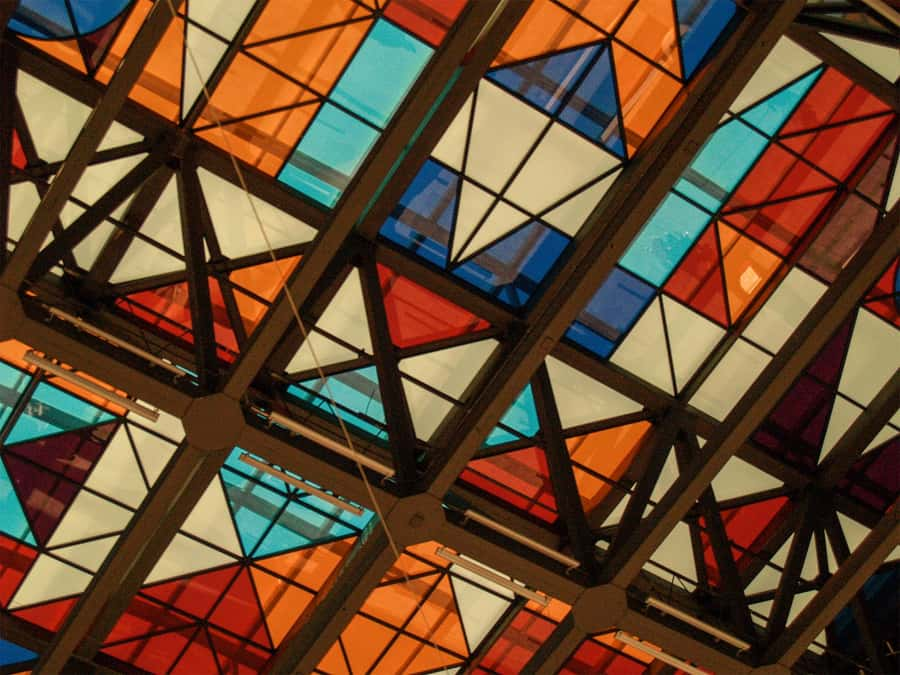
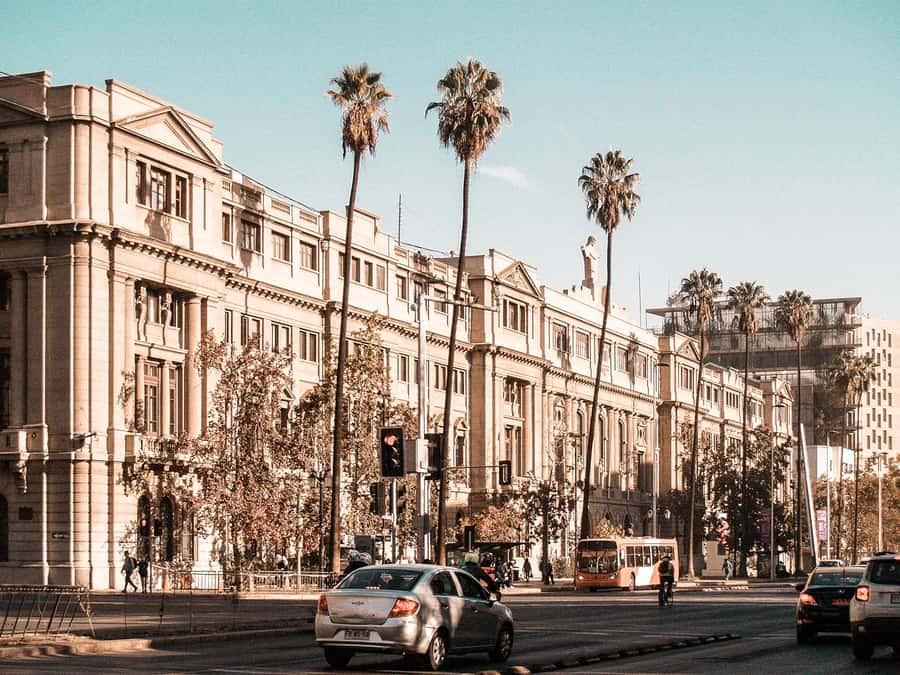
Universidad Catolica de Chile adds another important theme: the role of education and institutions in the city. University architecture can reveal ideas about authority, public life, faith, and national development, and Diego uses these places to explain how design reflects larger forces.
This is one of the points where having an architect as a guide becomes especially useful. You can ask about materials, forms, layout, and visual choices, but you can also connect those details to the institution’s place in Chilean society.
The walk does not require prior knowledge. If terms such as modernism, historicism, or urban planning come up, you can ask Diego to explain them in plain language. His fluent English is a practical benefit if you want more than a few memorized facts. Spanish guiding is also available.
Same streets, read through a different style:
- Barcelona: Park Güell and Gaudí House Museum Entry Ticket
★ 4.5 · 6,326 reviews - Chicago Architecture Center River Cruise aboard First Lady
★ 5.0 · 5,536 reviews - Barcelona: Gaudi’s Casa Vicens Skip-the-Line Entrance Ticket
★ 4.7 · 4,541 reviews - Barcelona: Gaudí’s Park Güell Tour with Fast-Track Ticket
★ 4.8 · 4,512 reviews
Cerro Santa Lucia, with a change of pace
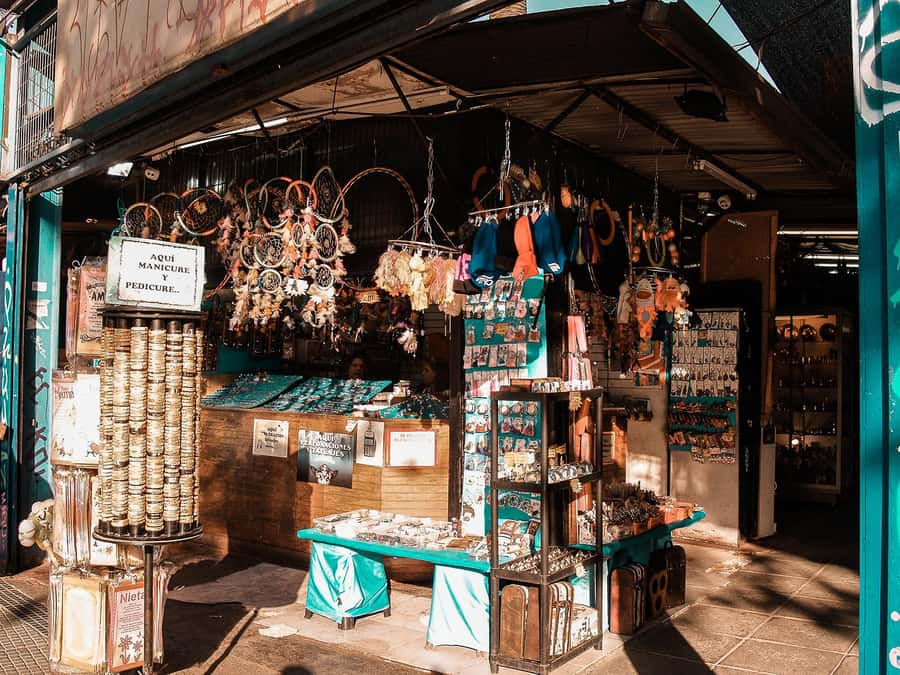
Cerro Santa Lucia brings a different physical setting to the walk. After streets and buildings, the route includes a place where you can consider how topography and public space affect the city.
The stop gives you a chance to look at Santiago from a different angle while continuing the architectural discussion. It is also a natural point to pause for photographs. The tour description allows time to explore a location a little further if you want to take pictures, although the exact amount of time depends on the group and the route on the day.
You should keep the walking demands in mind. The activity is marked wheelchair accessible, but Cerro Santa Lucia may still be a point you want to discuss with the provider in advance if you have specific mobility needs. The available information confirms accessibility for the tour, but it does not describe every surface, slope, or access detail at each stop.
Iglesia San Francisco and Santiago’s older layers
Iglesia San Francisco brings religious architecture into the story. It is one of the stops where the city’s older layers become especially important, allowing Diego to explain how a building’s design and purpose connect with Chile’s past.
Rather than treating the church as a quick picture opportunity, the tour looks at architectural style and the reasons behind the building’s appearance. That approach gives you something useful to carry into the rest of your sightseeing. You begin to notice how churches, civic buildings, universities, and private areas express different kinds of authority and community life.
The tour is not described as a dedicated interior visit, so you should not book it expecting a long indoor examination of every site. Its focus is the city walk and the conversation around the places you pass.
Paris-Londres and the human scale of downtown
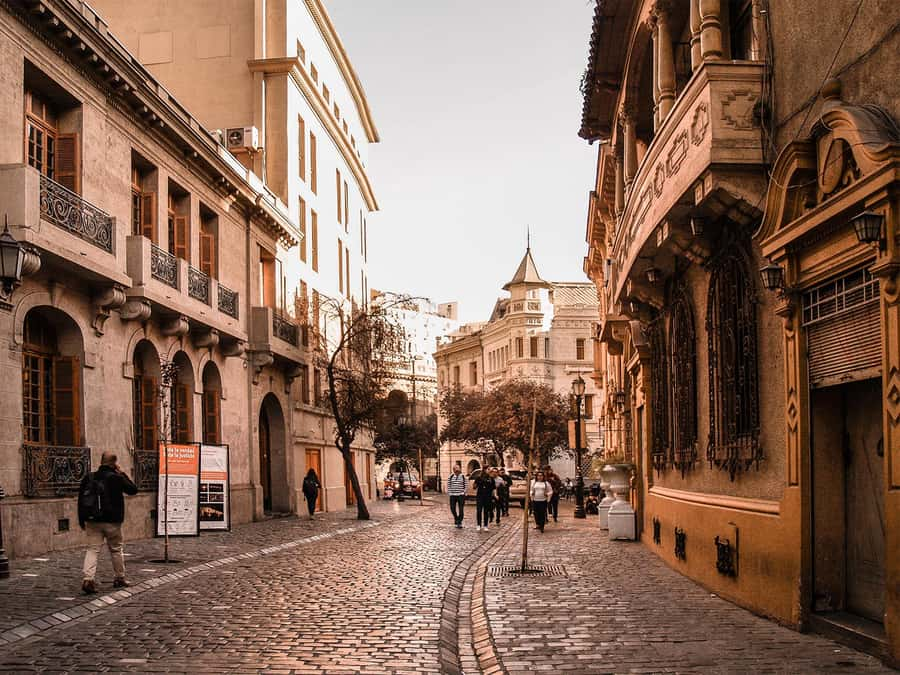
The Paris-Londres neighborhood adds another layer to the route. Its streets offer a more intimate contrast to major intersections and civic spaces, and they help show how Santiago’s character changes from one block to the next.
This is the kind of stop that can be easy to miss if you explore only the most famous landmarks. Diego points out places you might otherwise walk past, then explains why they matter. That is one of the strongest reasons to choose this experience over a basic orientation walk.
The neighborhood also suits photography. You can ask to spend more time on a detail or building if you want a closer look. Just remember that the guide must keep the whole small group moving toward La Moneda, so extra time will be limited.
Ending at La Moneda and Chile’s civic center
The final destination is La Moneda, Chile’s presidential palace, in the country’s civic center. Ending here gives the walk a clear political focus and brings together many of the themes introduced earlier.
The route begins at a major intersection and finishes at a national seat of government. Along the way, you have seen districts, religious buildings, educational institutions, public spaces, and historic streets. The final stop helps connect these parts to the broader story of Chilean public life.
La Moneda is also a practical end point for the rest of your day. Public and private transportation are available just steps away, but the tour does not include a ride back to your accommodation. Plan your next move before the walk ends, especially if you have dinner reservations or a timed booking elsewhere.
What the three hours feel like
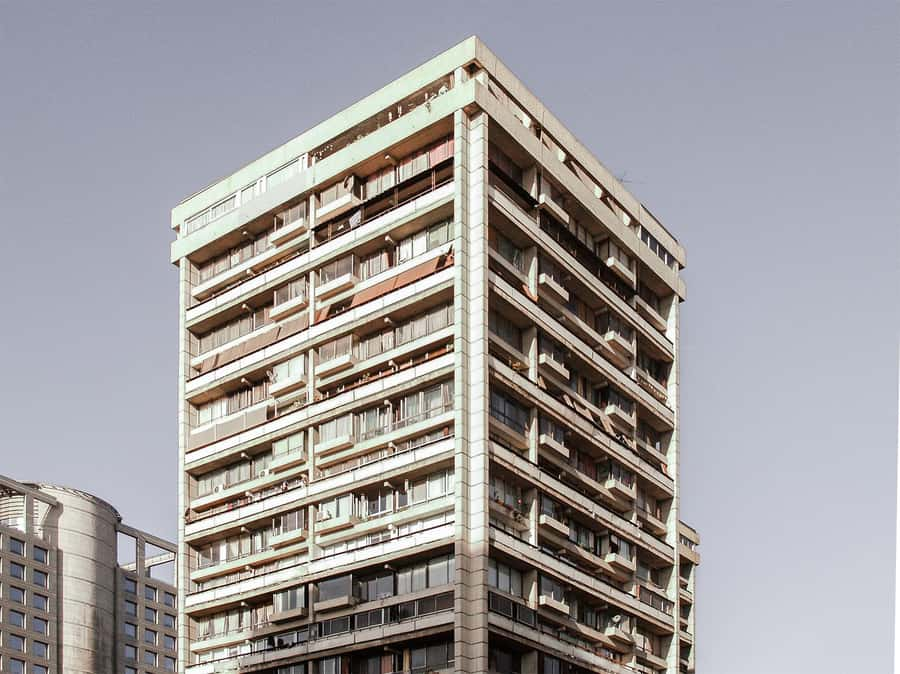
This is a walking conversation, not a bus tour. You spend the time moving between places, listening, asking questions, photographing details, and looking closely at the city around you.
The pace should suit people who prefer explanation over a rushed checklist. Diego has worked as both an architect and a guide for more than six years, and he completed his architecture degree in 2016. His professional background lets him discuss design with authority, while his guiding experience helps keep the subject connected to what you are seeing.
The tour has been developed over more than five years, with practical needs included in the planning. Coffee and restroom breaks may be arranged along the route, and bank or money exchange stops may be possible if needed. These are not guaranteed stops on a fixed schedule, but they make the route more workable for a three-hour outing.
Bring comfortable shoes and avoid wearing jewelry, which the activity lists as not allowed. Souvenir purchases are possible at several points, so carry a payment method you are comfortable using if you want to buy something along the way.
The value of the $59 price
At $59 per person, this is not the cheapest way to walk around downtown Santiago. The value depends on how much you want from the explanation.
If you only want to see Plaza Baquedano, Lastarria, Cerro Santa Lucia, Iglesia San Francisco, Paris-Londres, and La Moneda, you can visit many of these areas independently. You would pay less, but you would also need to research the buildings, work out the route, and make sense of the political and social connections on your own.
The fee makes more sense if you want a specialist guide and a small group. You are paying for three hours with a Chilean architect, an English or Spanish conversation, and a route designed around architectural and historical context. The ability to ask questions is important here. A large group lecture would not offer the same flexibility.
I would consider the price fair for visitors who are genuinely interested in cities, design, politics, or Chilean history. It may feel high if you prefer independent wandering or if architecture is only a minor interest. The tour earns its value through interpretation, not through entrance tickets or included transportation.
Who should book this walk
I would recommend it to first-time visitors who want a strong introduction to central Santiago without treating the city as a series of disconnected photo stops. It is also a good choice for repeat visitors who have seen the main sights but want to understand them better.
History and architecture fans are the obvious match, but you do not need to fit either label. The walk also suits anyone interested in political change, urban design, religious buildings, or the way a city reflects its society.
The small group is helpful for solo visitors and couples who prefer conversation. English speakers should be comfortable with Diego’s fluent English, and Spanish guiding is available for those who prefer it.
This is not suitable for children under 10. It may also be a poor choice if you dislike walking, need a tightly fixed timetable, or want extensive indoor access at each landmark. The route is about seeing and discussing the city as you move through it.
Booking details worth knowing
The experience lasts three hours, but starting times vary, so you need to check availability for your chosen date. The group is limited to eight participants, and the tour is offered in English and Spanish.
You can cancel up to 24 hours before the start time for a full refund. A reserve-now-and-pay-later option is available, which helps if your Santiago plans are still shifting.
The meeting point is Plaza Baquedano, next to Teatro Universidad de Chile, with Av. Providencia 43 given as the starting address. The walk ends at La Moneda, not back at the meeting point. Since transport is nearby at the end, this is easy to manage, but it is still worth planning your onward route.
Should you book An Architect’s Tour of Downtown Santiago?
Book it if you want to understand Santiago through buildings, public spaces, and political change rather than simply tick off landmarks. Diego’s background, fluent English, local connection, and small-group format give the experience a clear purpose.
I would choose this tour early in a Santiago visit. The route can help you get oriented, and the architectural way of looking at the city may sharpen what you notice during the rest of your stay.
Skip it if you want a short, low-cost sightseeing loop, a vehicle-based tour, or a tour aimed mainly at young children. For curious adults and older children who can manage three hours on foot, the $59 cost is justified by the specialist guide and the chance to ask questions along the way.
FAQ
How long is the tour?
The guided walking tour lasts three hours.
Where does the tour begin?
It begins at Plaza Baquedano, next to Teatro Universidad de Chile. Av. Providencia 43 is also given as the starting address.
Where does the tour end?
The tour ends at La Moneda, Chile’s presidential palace, in the country’s civic center.
Which languages are available?
The tour is available in English and Spanish.
Who guides the tour?
The guide is Diego Inzunza, a Chilean architect who graduated in 2016 and has worked as an architect and guide for more than six years.
What places are included?
The route includes Barrio Lastarria, Universidad Catolica de Chile, Cerro Santa Lucia, Iglesia San Francisco, Barrio Paris-Londres, and La Moneda, along with other downtown locations.
Is the tour suitable for children?
The activity is not suitable for children under 10 years old.
What should I bring?
Bring comfortable shoes. Jewelry is not allowed on the tour.
New to the itinerary around the world
- Washington, DC: Georgetown Architecture Walking Tour★ 5.0 · 8 reviews
- Wilmington History and Architecture Tour★ 4.8 · 18 reviews
- Washington DC: Dupont Circle & Embassy Row Architecture Tour★ 5.0 · 6 reviews
- New Orleans : Garden District Architecture Walking tour★ 4.8 · 5 reviews
- Walk & Discover KL’s Architectural and Heritage Gems★ 5.0 · 7 reviews
- Unveiling Brno: History, Culture & Architectural Delights★ 5.0 · 2 reviews
- Vicenza: Palladian Architecture Private Walking Tour★ 3.3 · 3 reviews
- Private Colonial Williamsburg Architectural Tour★ 5.0 · 5 reviews